

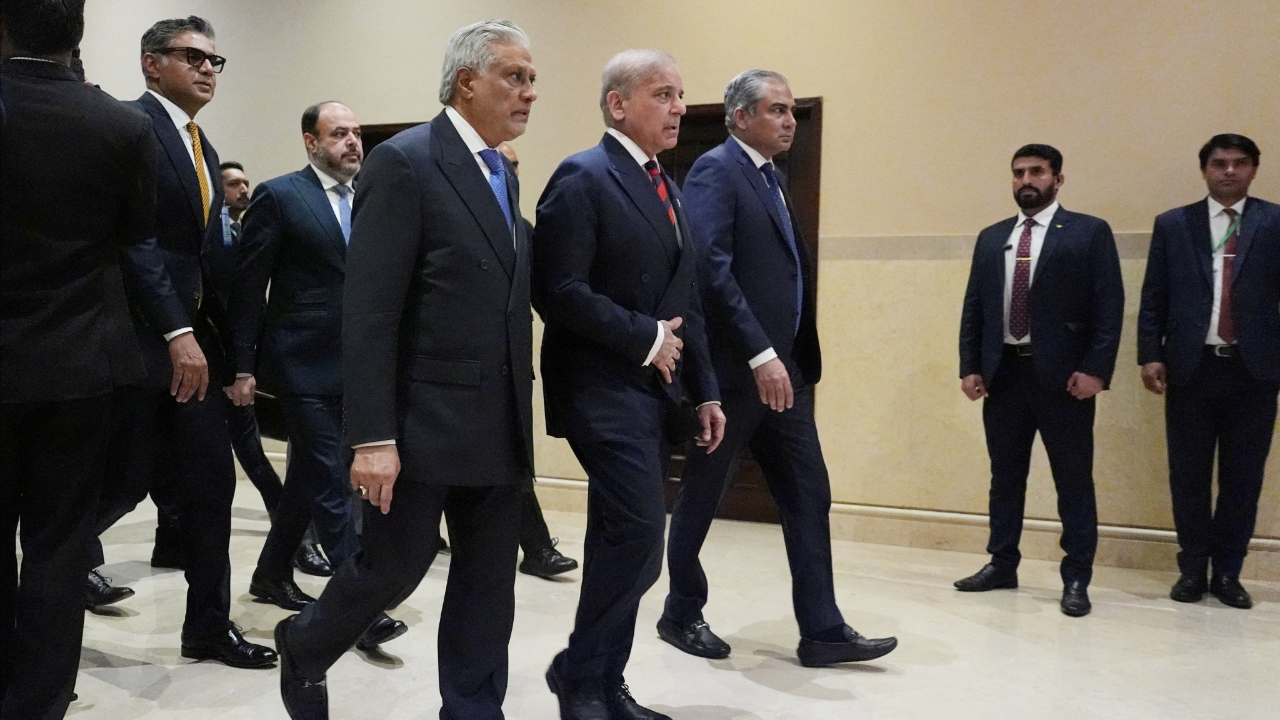
Iranian media report that the first phase of talks between representatives from Iran and the U.S. in Pakistan has ended, with both sides exchanging documents on various issues still under discussion.
On 12 Apr 2026 GMT+7, Iran's Fars News Agency reported that delegations from the U.S. and Iran exchanged written documents outlining the issues still under negotiation after the first phase of diplomatic talks in Pakistan concluded.
The U.S. delegation, led by Vice President J.D. Vance, held direct talks with the Iranian delegation in Islamabad, Pakistan's capital, seeking to resolve the war that began on 28 Feb and has spread across the Middle East.
This marks the highest-level face-to-face talks between Iran and the U.S. since the founding of the Islamic Republic in 1979.
The latest report came after the Iranian government posted on the X platform this afternoon that talks between Iran and the U.S. have entered the “expert-level stage,” where committees specializing in economics, military, law, and nuclear issues will engage in discussions together.
The U.S. and Iran still face major conflicts, particularly five key issues where sharp differences remain, which could determine whether the agreement succeeds or stalls again.
Lebanon situation – The conflict between Israel and Hezbollah remains tense. President Masoud Pishtegian warned that continued attacks could render negotiations meaningless, while Israeli Prime Minister Benjamin Netanyahu reiterated there is no ceasefire agreement with Hezbollah.
Strait of Hormuz – This vital oil shipping route remains contentious. President Donald Trump accused Iran of not keeping the route open as agreed, with few ships passing and reports of possible tolls being charged. Iran seeks to impose new rules and regards the strait as Iranian sovereign waters.
Iran's nuclear program – International efforts to end Iran's nuclear program have long been a central issue. The U.S. demands Iran halt uranium enrichment, while Iran insists on its right to peaceful development under the Nuclear Non-Proliferation Treaty.
Iran's allied networks – Regional allies such as Hezbollah, the Houthis, and Hamas remain key points of conflict. Israel views them as direct threats, while Iran has not indicated any intention to reduce their roles.
Iranian sanctions relief – Iran has demanded the lifting of all sanctions, including the release of approximately $120 billion in frozen assets, but there is no sign the U.S. will agree to these terms.
Follow international news:https://www.thairath.co.th/news/foreign
Source:cnn