

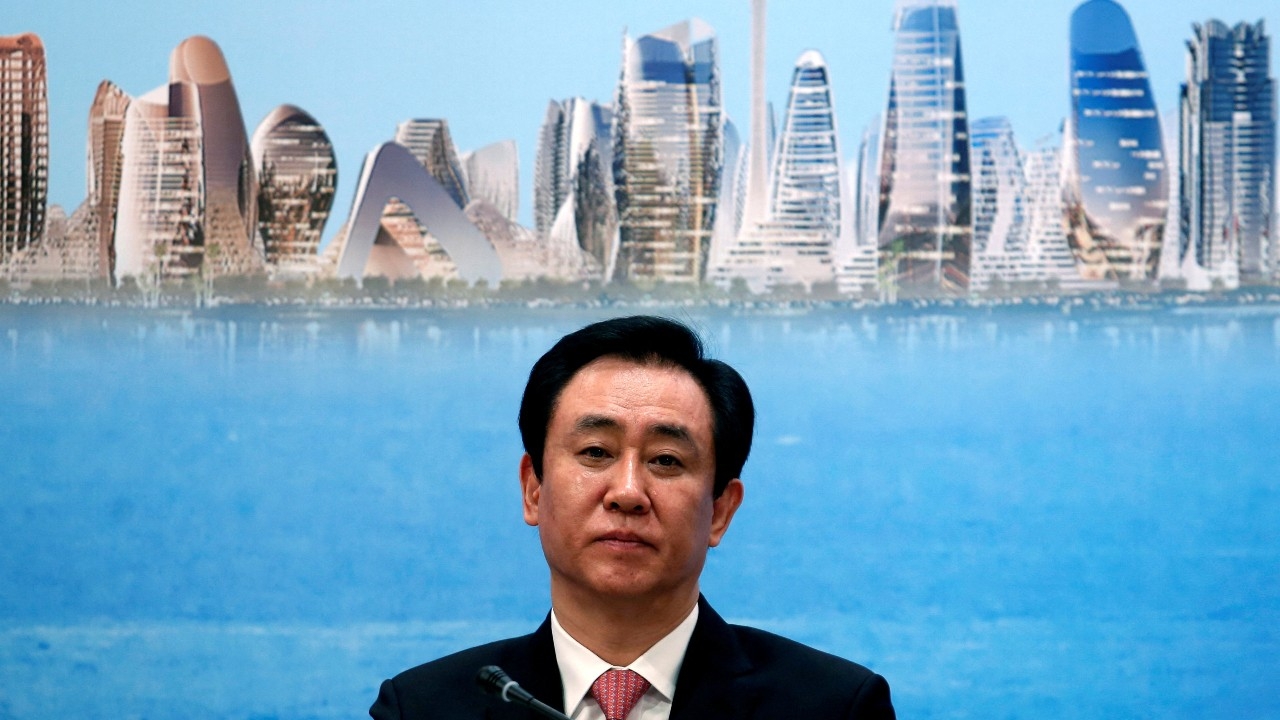
Xu Jiayin, the former richest billionaire in Asia and founder of the Chinese real estate empire Evergrande, has pleaded guilty to fraud, embezzlement, and bribery charges at the Shenzhen court, following a lengthy legal case stemming from the company's collapse with debts exceeding $300 billion.
Mr. Xu Jiayin, also known by his Cantonese name Hui Ka Yan, founder of China Evergrande Group, a former Chinese real estate giant, appeared in court to admit guilt on multiple serious charges including embezzlement, fundraising fraud, and bribery, during a public trial at the Shenzhen Intermediate People's Court on 13 and 14 April.
A court statement noted that Xu expressed remorse for his actions, including diverting millions of dollars in advance deposits from homebuyers to new projects instead of using them for construction, resulting in hundreds of unfinished properties nationwide.
Evergrande had over 1,300 projects across 280 cities and total debt estimated at about $300 billion, earning it the reputation as the most indebted real estate company worldwide.
Evergrande was once China’s largest property developer with a market value exceeding $50 billion, but its debt crisis erupted in 2021 after the Chinese government imposed strict regulations to curb real estate debt, forcing companies reliant on massive borrowing of over $300 billion into liquidity shortages and defaults.
Key charges against Xu and Evergrande include illegal public deposits and fundraising fraud, unlawful securities issuance and false disclosures, and inflating company revenue by up to $78 billion, which led to fines and a lifetime ban from capital markets in 2024.
Evergrande’s collapse not only affected the company but also triggered nearly three years of stagnation in China’s property market, severely undermining consumer and banking confidence in a sector crucial to China’s GDP growth.
Before its delisting from the Hong Kong stock exchange in August 2025, Evergrande’s stock plummeted over 99%, while Xu himself has been detained by police since 2023 for criminal investigations.
The Shenzhen court stated that sentences and penalties for Xu and affiliated companies will be announced later. This case is closely watched by global investors as a test of China’s economic crisis management and anti-corruption efforts in the financial sector.