

President Donald Trump announced that the leaders of Israel and Lebanon are scheduled to hold talks today (16 April), marking the first direct conversation between the two countries' leaders in 34 years. Trump said this move aims to provide both sides a "breathing space" amid the escalating war crisis.
President Donald Trump posted on Truth Social: "Trying to create a little breathing space between Israel and Lebanon. The leaders haven’t spoken in about 34 years. The conversation will happen tomorrow. Great!" Trump did not specify who would be involved or provide further details.
This development aligns with reports that the Israeli cabinet met on Wednesday to discuss the possibility of declaring a ceasefire in Lebanon, following Israel’s military operations against the Iranian-backed Hezbollah group for over six weeks.
White House spokesperson Caroline Leavitt confidently stated, "We feel good about the chances of reaching an agreement," adding that the Pakistan-mediated talks are constructive and ongoing. The main focus is to resolve the conflict in Lebanon and reach an agreement that could lead to reopening the Strait of Hormuz, a critical strategic point for global oil transportation.
Meanwhile, General Asim Munir, Pakistan’s Army Chief and mediator of the talks, arrived in Tehran to attempt to "bridge the gap" between the conflicting parties after last weekend’s negotiations failed to reach a conclusion.
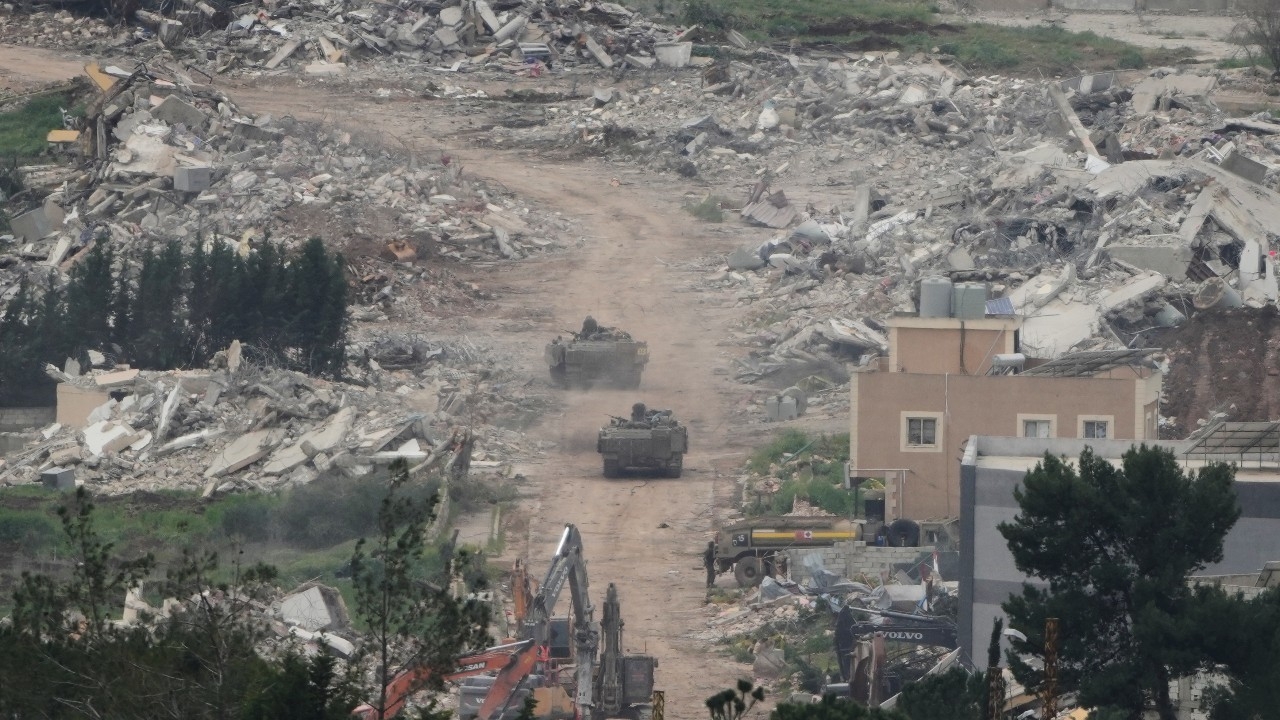
Despite the diplomatic progress, the situation on the ground remains critical, with reports of heavy clashes in the southern Lebanese city of Bint Jbeil between Hezbollah fighters and Israeli forces, involving intense attacks by fighter jets and helicopters.
Additionally, Lebanon’s National News Agency (NNA) reported that Israeli jets bombed the city of Tebnine, severely damaging a local hospital. Israeli ground operations continue to establish a "buffer zone" after the war has already resulted in over 2,000 deaths and displaced more than one million people.
Expectations of a ceasefire have positively impacted the global economy, with the U.S. Wall Street stock market soaring to record highs on 15 April as investors anticipate the war, which began on 28 February, may be nearing its end. Meanwhile, crude oil prices have stabilized amid hopes of easing tensions in the Persian Gulf.