

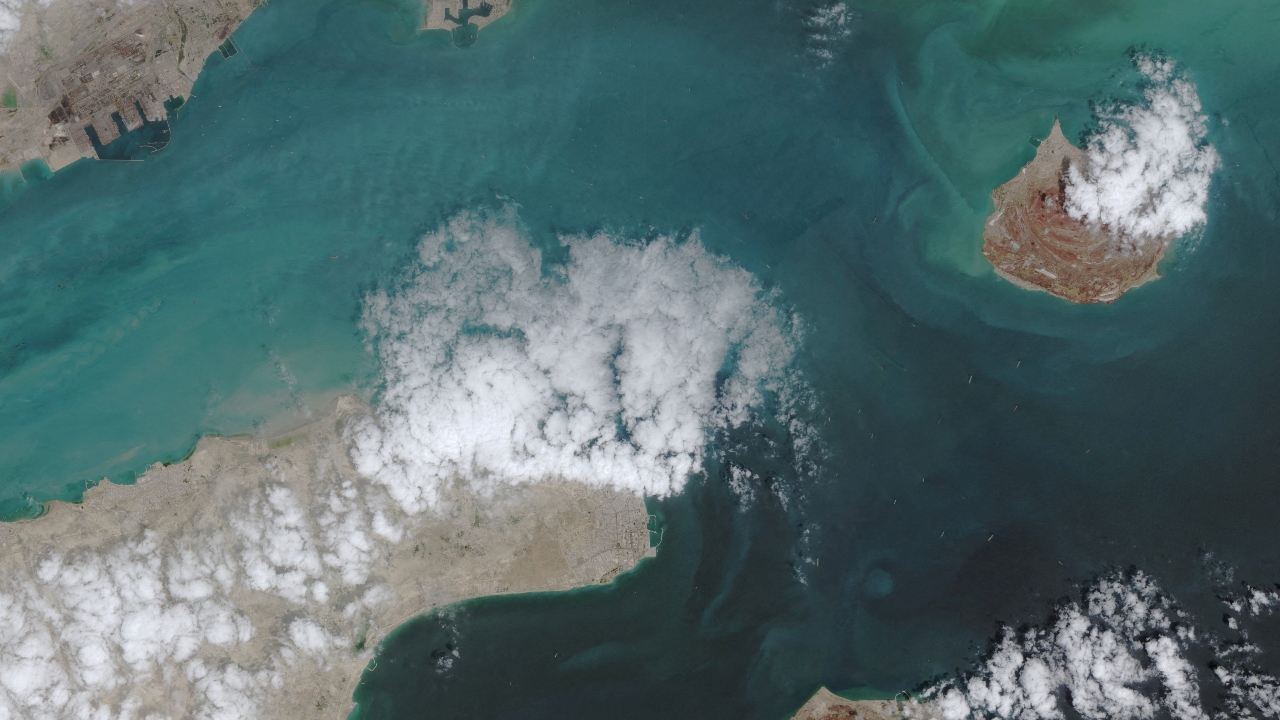
Although Iran has confirmed the reopening of the Strait of Hormuz oil shipping route, vessel tracking data reveals only sparse activity amid concerns over safety and global economic ripple effects.
Tensions remain high in the Middle East after Iran announced the Strait of Hormuz, a crucial global oil and liquefied natural gas (LNG) transit route, has reopened for commercial navigation. However, vessel tracking data shows that shipping volumes remain significantly low.
The Strait of Hormuz is a strategic global energy chokepoint, with about 20% of the world's oil and LNG passing through it. During recent conflicts, the number of ships using this route dropped sharply after Iran threatened attacks on oil tankers and warned of mines laid in the area.
Iran's Foreign Minister Abbas Araghchi stated on platform X that passage through the Strait of Hormuz is fully open for commercial vessels during the remaining ceasefire period, with ships required to follow designated routes for safety.
However, Iranian state television quoted senior military officials saying that navigation must strictly follow specific routes, and military vessels remain banned from transiting the strait.
This announcement comes amid a 10-day ceasefire agreement between Israel and Lebanon, following prior conflict that began when the United States and Israel attacked Iran on 28 February.
U.S. President Donald Trump stated that the maritime blockade of Iranian ports will continue until a peace agreement is reached, although he described the day as a great one for the world.
On the Iranian side, Parliament Speaker Mohammad Bagher Ghalibaf responded to Trump's remarks, saying the seven statements made in one hour were all untrue, and stressed that if the U.S. continues the blockade, the Strait of Hormuz will not truly reopen.
Given the ongoing uncertainty, international maritime organizations including the International Maritime Organization (IMO) are still assessing whether navigation is genuinely safe, despite reports of some ships beginning to sail.
IMO Secretary-General Arsenio Dominguez said further clarity is needed because some vessels have turned off their identification systems to avoid potential attacks.
Maritime security expert Cormac McGarry views the situation as largely unchanged, with a high risk from mines. He assesses that shipping trends in the coming weeks remain concerning.
Source:BBC
Read more related news:International News