

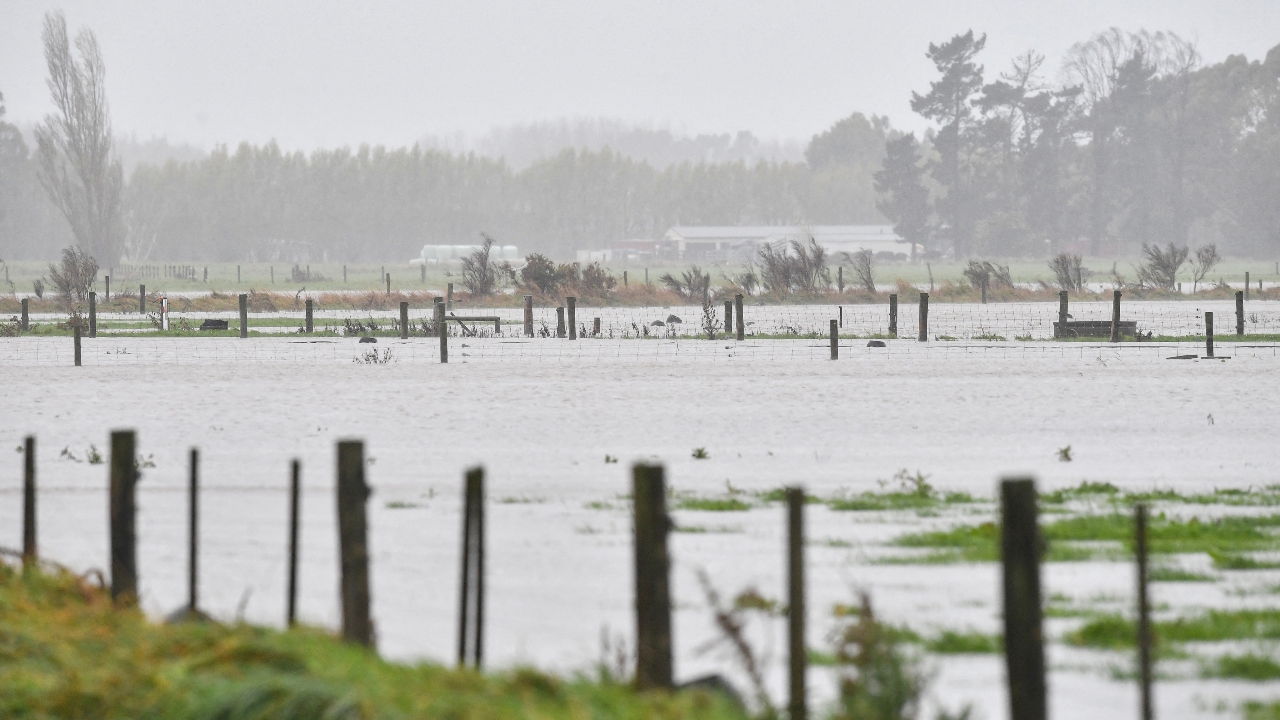
Heavy rain and flash floods hit Wellington, New Zealand's capital. Authorities declared a state of emergency, canceled flights at the airport, closed several schools, and are rushing to evacuate residents.
On 20 April 2026, foreign news agencies reported that New Zealand authorities declared a state of emergency after Wellington recorded a record rainfall of 77 millimeters in less than one hour. Many areas faced flooding, landslides, and emergency evacuation orders. Numerous vehicles were submerged, large trees were uprooted, and some homes were damaged by landslides.
Andrew Little, Wellington's mayor, said the severe weather continues, with some residents evacuated from high-risk zones. A 60-year-old man went missing in the Karori district and is currently being searched for. So far, no fatalities have been reported.
Wellington Airport announced the cancellation of some flights, while several schools temporarily closed for safety reasons. The Wellington regional disaster management agency advised residents to avoid unnecessary travel and urged those living in low-lying or flood-prone areas to consider staying with relatives or friends for at least the next 24 hours.
Additionally, Mark Mitchell, New Zealand's Minister for Emergency Management and Recovery, stated that temporary shelters have been opened for those needing emergency accommodation. He warned that this could be the worst of the severe weather and urged the public to prepare for evacuation if necessary.
This flooding event in New Zealand occurred less than a week after Cyclone Viyanu struck the North Island over the past weekend. Experts point out that climate change is causing extreme weather events such as heavy rainfall and flash flooding to become more frequent and intense worldwide.