

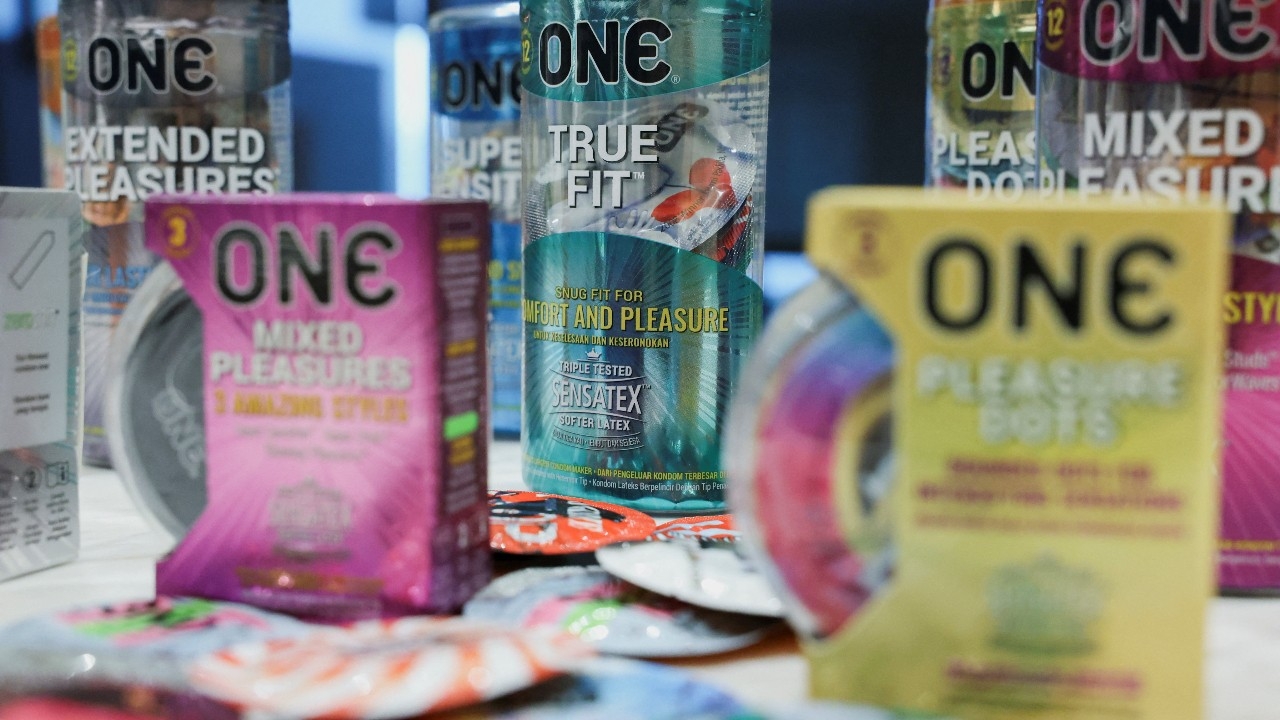
Karex, the world's top condom manufacturer from Malaysia, has signaled a 20-30% price increase after the Iran war disrupted supply chains, causing raw material and shipping costs to rise continuously, while global demand has increased to the point that stocks are becoming critical.
Karex, the largest condom manufacturer worldwide from Malaysia, revealed plans to raise product prices by about 20% to 30%, with potential for further increases if the unrest from the Iran war continues, impacting global logistics systems.
Goh Miah Kiat, CEO of Karex, told Reuters, "The situation is very fragile now. All costs are rising. We have no choice but to pass these increased costs on to our customers."
Since the conflict began in late February, Karex has faced higher production costs across all areas due to the war’s impact on the flow of energy and chemicals from the Middle East, affecting procurement of key raw materials such as synthetic rubber and nitrile, which are essential for production, as well as packaging materials like aluminum foil and lubricants, especially silicone oil.
Additionally, maritime transport problems have become a major obstacle. Shipping to Europe and the U.S. now takes nearly two months instead of just one, causing many products to remain stuck on ships and delaying access to consumers, particularly in developing countries.
Despite rising prices, condom demand this year has increased by 30%, contrasting sharply with a worrying global stock decline, partly due to many governments cutting international public health aid budgets last year.
Karex is a key industry player, producing over 5 billion condoms annually and supplying well-known global brands such as Durex and Trojan, as well as serving the UK's National Health Service and the United Nations’ global aid programs.
The Karex CEO concluded that the company currently holds enough raw material reserves for the next few months and is striving to boost production capacity to meet surging demand, but supply chain risks remain a critical factor requiring close monitoring.