

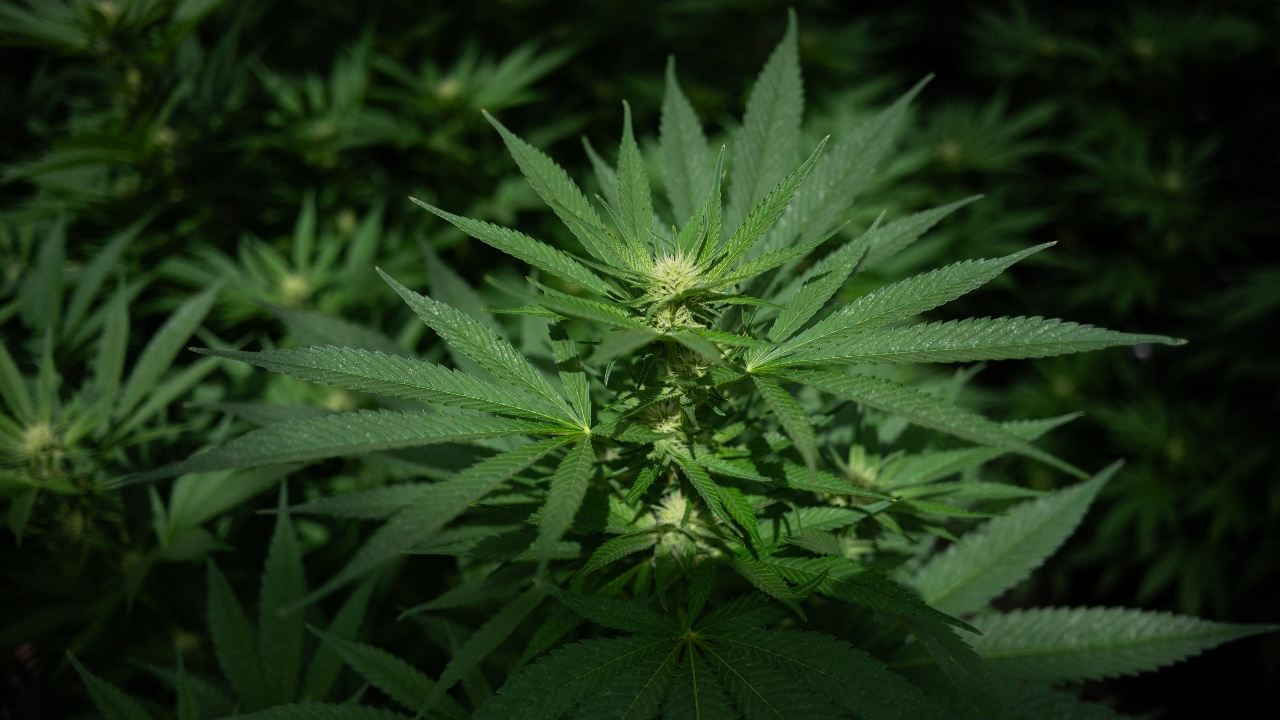
The US Department of Justice officially announced the reclassification of "cannabis" from Schedule I, deemed as dangerous as heroin, down to Schedule III, which carries a lower risk level. This change is intended to facilitate increased research and medical treatment access, following an order from President Donald Trump.
A major shift in US drug policy occurred when the Department of Justice, led by Acting Attorney General Todd Blanche, signed an order to reclassify cannabis products approved by the Food and Drug Administration (FDA) or licensed for medical use by states from Schedule I to Schedule III. This new classification aligns cannabis with painkillers containing codeine.
This decision follows President Donald Trump's directive initiated last year to review cannabis laws, aiming to expand opportunities to study its safety and efficacy, as well as to broaden patients' access to treatment across the United States.
Despite the downgrade, cannabis remains illegal under state laws. Nevertheless, most US states have already legalized cannabis for medical or recreational use under their own regulations prior to this federal change.
Todd Blanche stated in a press release, "The Department of Justice is fulfilling President Trump's promise to expand medical treatment options for Americans. This reclassification will provide doctors with more reliable information and improve patient care."
In addition to this change, the Acting Attorney General ordered a public comment period in June to explore the possibility of broadly reclassifying "all types of cannabis." This process allows for legal challenges within 30 days after publication in the Federal Register, which could delay implementation by months or years if lawsuits arise.
This move came just five days after President Trump signed an executive order to increase access to "psychoactive drugs" for medical treatment purposes as well.
Since 1970, the US has classified cannabis as Schedule I, meaning it has a high potential for abuse and no accepted medical use. This reclassification has been welcomed by many, including Morgan Fox of NORML, an organization advocating cannabis law reform, who described it as a significant "symbolic" step.
Fox stated, "Moving cannabis out of the old schedule will encourage policymakers to discuss the issue more seriously without being constrained by outdated definitions." However, he emphasized that the ultimate goal remains the complete removal of cannabis from the controlled substances list to resolve conflicts between state and federal laws, which currently affect businesses and financial sectors.
. BBC