

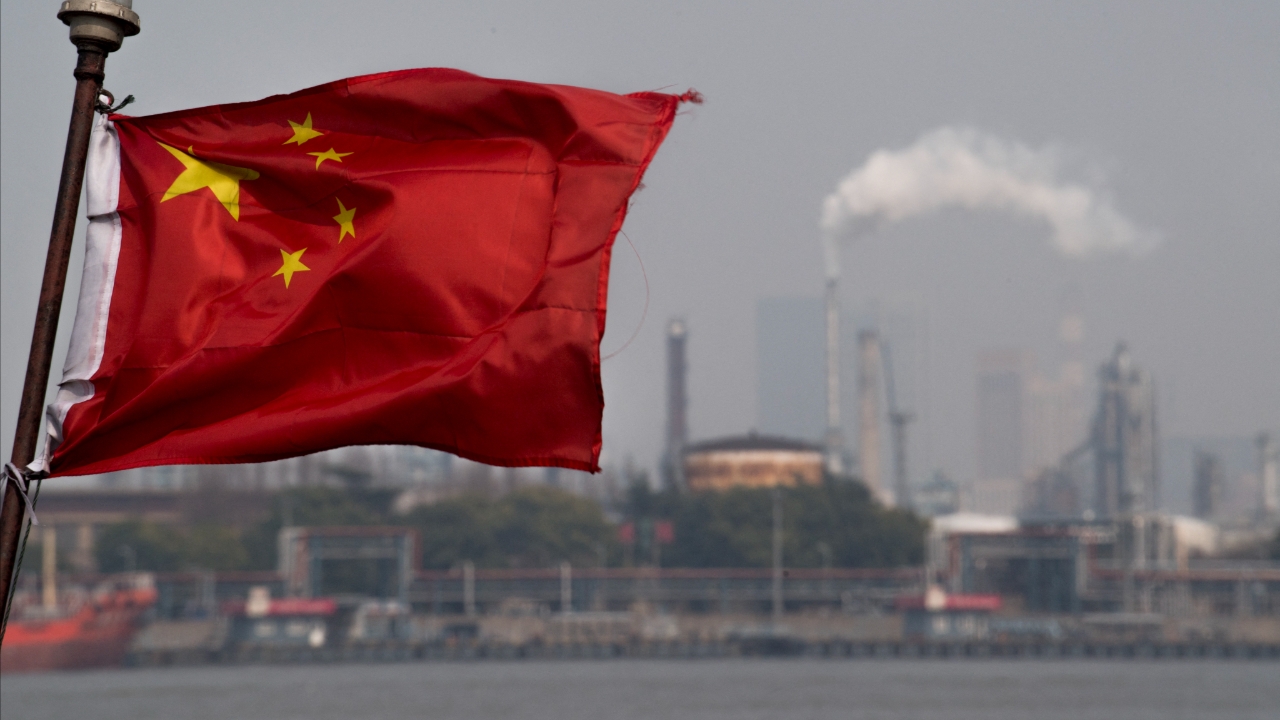
The U.S. has imposed sanctions on a small oil refinery in China for purchasing large volumes of crude oil from Iran, as U.S. and Iranian representatives prepare to negotiate in Pakistan this weekend.
Foreign news agencies reported that on 24 Apr 2026, the U.S. government announced it had begun enforcing sanctions on small independent refineries, known as “Teapots,” in China for buying billions of dollars’ worth of oil from Iran, while Washington and Tehran plan to start a new round of peace talks this weekend.
The U.S. Treasury Department stated that the sanctions target Hengli Petrochemical (Dalian) Refinery, one of the largest customers purchasing crude oil and petroleum products from Iran.
Additionally, the Office of Foreign Assets Control (OFAC) sanctioned about 40 shipping companies and vessels alleged by the U.S. to be part of Iran’s “shadow fleet,” which clandestinely transports oil to evade U.S. sanctions.
A spokesperson for the Chinese embassy condemned the U.S. sanctions as illegal actions, saying, “We urge the U.S. to stop politicizing trade, science, and technology issues, and to cease misusing such measures, including various sanctions, as weapons or tools to attack Chinese companies.”
Last year, the Trump administration sanctioned several small Chinese oil refineries, including those of Hebei Xinhai Chemical Group, Shandong Shouguang Luqing Petrochemical, and Shandong Shengxing Chemical.
These actions have posed obstacles for refineries, causing difficulties in crude oil procurement and forcing them to sell refined products under different brand names.
“Teapots” are small independent refineries that collectively account for about one-quarter of China’s total refining capacity. These refineries operate on very slim profit margins, sometimes experiencing losses, and have been pressured recently due to weak domestic demand.
The U.S. sanctions freeze the assets of the targeted individuals or companies within the U.S. and prohibit Americans from doing business with them. This has led some large independent refineries to slow down crude oil purchases from Iran. However, 2025 data from analysis firm Kpler shows China purchased over 80% of Iran’s seaborne oil exports.
Follow international news:https://www.thairath.co.th/news/foreign
Source:cna