

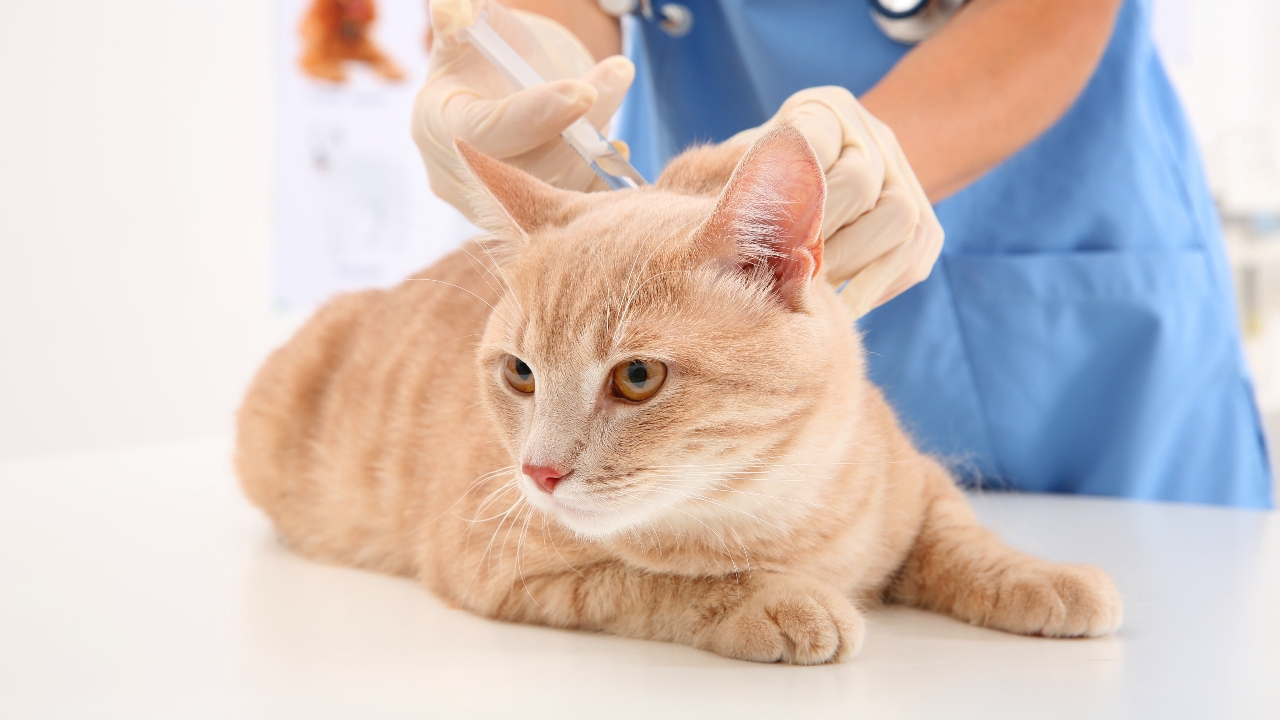
Japanese researchers have formally applied for approval to produce and sell a drug treating chronic kidney disease in cats after clinical tests showed it increases survival rates up to 80%. The drug is developed from the AIM protein and funded by more than 300 million yen in donations from cat lovers worldwide.
The AIM Medical Research Institute, a pharmaceutical startup in Tokyo, submitted a request to Japan's Ministry of Agriculture, Forestry and Fisheries for approval to produce and market a new drug for treating chronic kidney disease in cats—a widespread condition that kills cats globally and currently has no cure.
This drug was developed using a protein called AIM (Apoptosis Inhibitor of Macrophage), discovered in human blood by Dr. Toru Miyazaki, a former professor at the University of Tokyo and director of the institute, who has conducted extensive research on it.
Clinical trials conducted at veterinary hospitals across Japan on cats with moderate illness showed remarkable results. Cats receiving the drug maintained better kidney function than untreated groups, and notably, the "survival rate" over 6 months to 1 year increased significantly: 80-83% survival in treated cats compared to only 20% in untreated ones.
Dr. Miyazaki’s research project nearly ended five years ago due to funding shortages during the COVID-19 pandemic. However, after media coverage, cat lovers worldwide donated over 300 million yen (approximately 61 million baht) between 2021 and 2022, allowing the research to continue successfully.
According to the Cornell Feline Health Center, chronic kidney disease is a leading cause of death in older cats. About 40% of cats over 10 years old and up to 80% of cats over 15 years old develop this disease.
Dr. Miyazaki concluded, "Most cats suffer from kidney disease, and many die from end-stage renal failure or uremia. We developed this drug aiming to overcome these challenges and reduce the physical, emotional, and financial burdens on both cats and their owners."
If approved by the Japanese government, this drug will mark a significant breakthrough in veterinary medicine worldwide by improving the lifespan and quality of life for cats suffering from chronic kidney disease.