

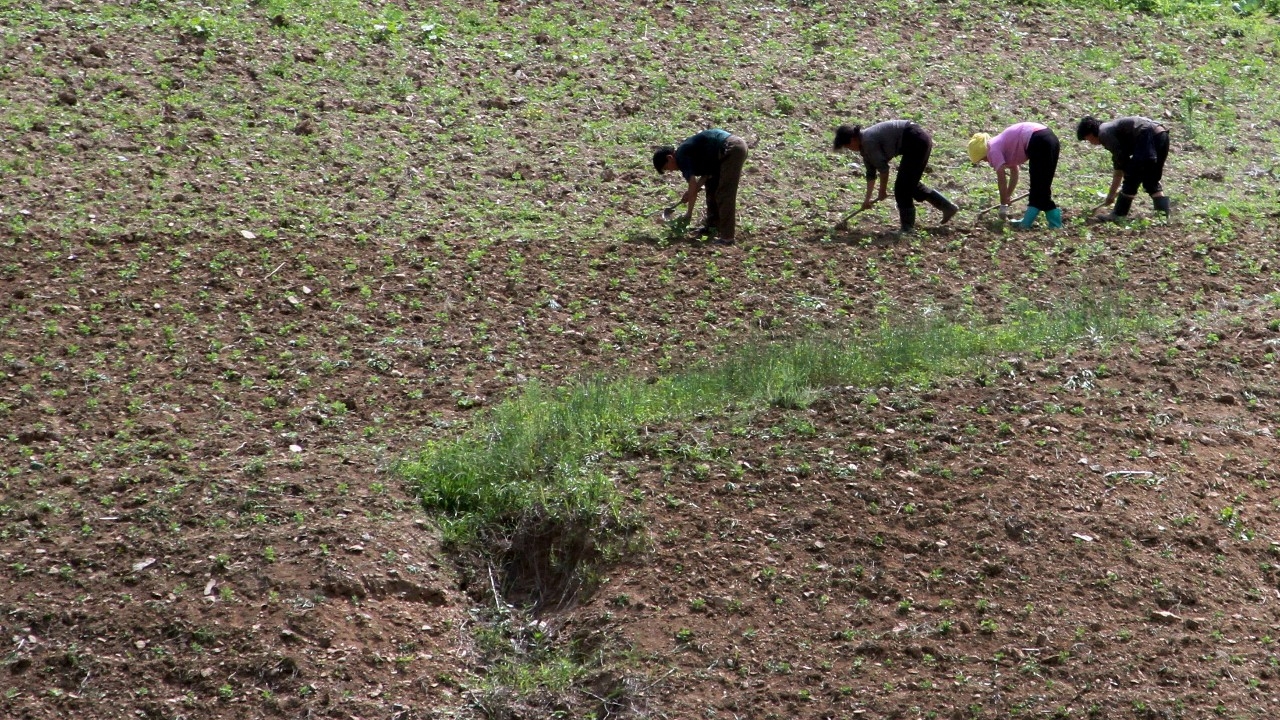
North Korea is facing an unusually severe drought this year, with official media reporting that the government is expediting measures to protect crops amid increasing concerns about food security.
The Korean Central News Agency (KCNA) of the Pyongyang government stated that this drought is occurring across multiple areas nationwide and is a phenomenon rarely seen in recent years, causing workers in various regions to urgently mobilize to protect the first season crops.
Elizabeth Salmon, the United Nations Special Rapporteur on human rights in North Korea, revealed in February that food shortages were already a major concern in the country before the drought worsened the situation.
North Korea often suffers more severe impacts from natural disasters than other countries due to limitations in infrastructure and the economy, as well as diplomatic isolation.
Another KCNA report noted that North Korean Prime Minister Pak Tae Song visited farms in South Pyongan and North Hwanghae provinces to discuss measures to reduce drought damage.
He emphasized that relevant agencies should thoroughly survey and efficiently utilize all water sources, pointing out that the success of this year's harvest depends on effectively managing the severe drought.
KCNA further reported that cities and districts across the country are rushing to repair drainage gates and irrigation systems, while agricultural officials are applying technical measures to increase drought resistance in key crops such as wheat and barley.
Meanwhile, North Korea is also facing chronic energy shortages, with experts noting that most people cannot access air conditioning, which intensifies the risks posed by hot weather conditions.
Back in 2024, the country experienced major flooding in northern areas near the Chinese border. South Korean media reported that deaths and missing persons could total up to 1,500, although North Korean authorities denied these figures.
This drought is occurring amid trends of extreme weather in the Asian region. South Korea, Asia’s fourth-largest economy, also faced prolonged drought last year, especially in coastal cities like Gangneung, which had to impose water usage restrictions. Additionally, both North and South Korea experienced the hottest June on record last year.
Experts warn that climate change is causing heatwaves and droughts to become more frequent and severe. At the same time, the El Niño phenomenon is expected to return this year, potentially bringing intense heat, drought, and heavy rains to many parts of Asia.
Click to read related newsInternational News