

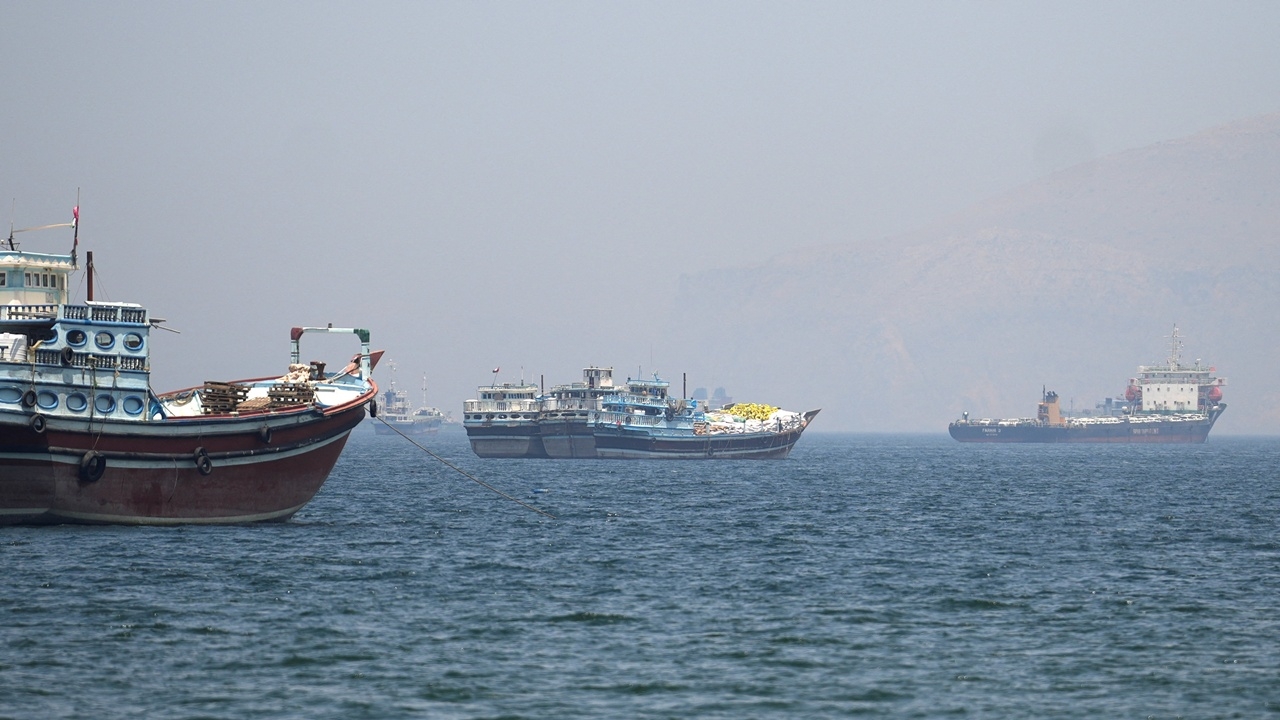
Oil prices continue to rise steadily after reports that the United States is preparing to extend the duration of its blockade of Iran, which remains a major obstacle to progress in negotiations.
On 29 Apr 2026 GMT+7, Brent crude oil prices surged to about $117 per barrel in the Wednesday afternoon session, marking the highest level this month, after closing at only $110 per barrel on Tuesday evening.
This increase followed a Wall Street Journal report stating that President Donald Trump ordered his advisers to prepare to extend the blockade measures on Iranian ports further, aiming to increase economic pressure on Iran.
Iran has stated it will respond by continuing to disrupt maritime traffic passing through the Strait of Hormuz.
Currently, Iran is strictly limiting navigation through the Strait of Hormuz, which normally handles about one-fifth of the world’s oil and liquefied natural gas (LNG) supply. This tension escalated after the US and Israel launched attacks on Iran on 28 Feb.
The US began enforcing the blockade of Iranian ports on 13 Apr, declaring that their navy would intercept or expel any ships entering or leaving Iranian ports. However, BBC Verify analysis found at least four ships successfully left Iranian ports, evading the US blockade.
Despite price fluctuations over recent weeks, oil prices remain significantly higher than before the conflict. Prices dipped to $90 on 17 Apr following a ceasefire announcement between Israel and Lebanon, but have risen sharply over the past 12 days due to the ongoing blockade.
Iran’s economy is facing an increasingly severe crisis, with rapidly rising commodity prices, a sharply depreciating currency, and the prospect that oil exports could come to a complete halt.
Iran’s Statistical Center reported an annual inflation rate soaring to 53.7%, while the Iranian rial has fallen to a record low. Approximately two million Iranians are unemployed, both directly and indirectly due to the war.
For more international news:https://www.thairath.co.th/news/foreign
Source:bbc