

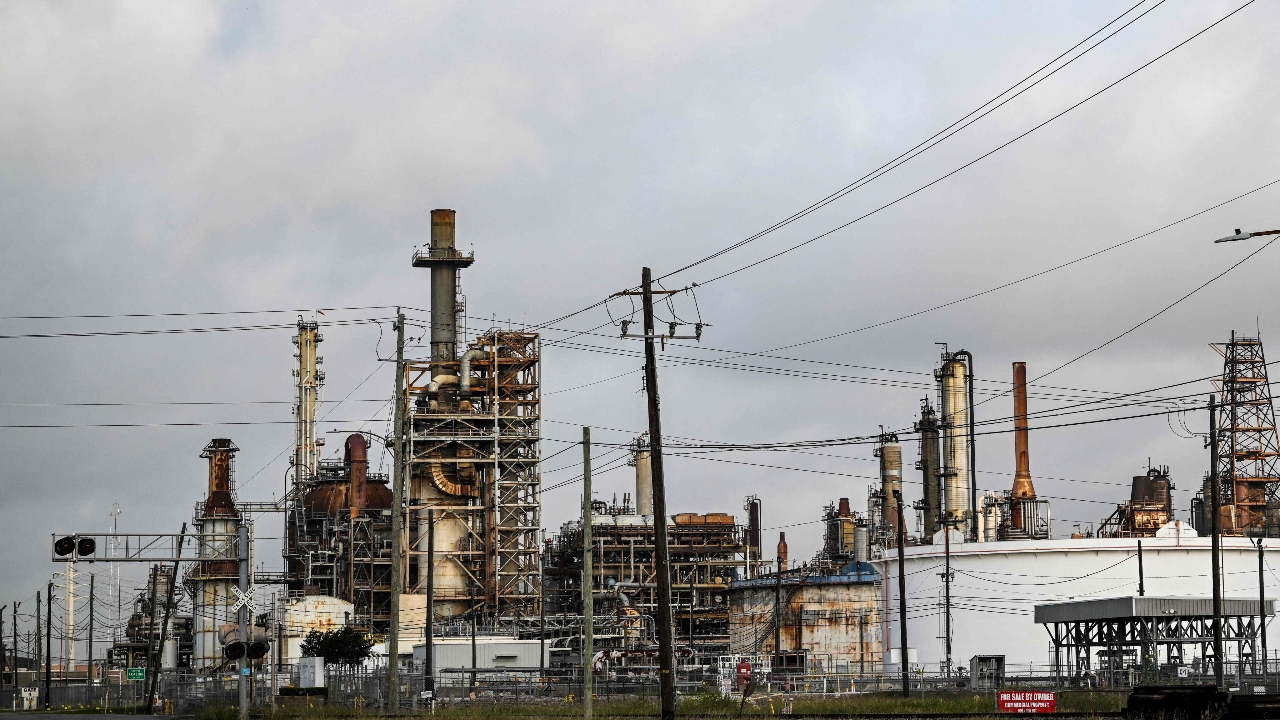
The World Bank points out that Middle East conflicts have pushed energy prices up 24% this year, triggering global ripple effects across energy, fertilizers, metals, and inflation. It warns that developing countries are most at risk of severe impacts.
On 30 April 2026, the World Bank released its latest Commodity Markets Outlook report, forecasting that global energy prices in 2026 will rise about 24% due to the Middle East conflict—particularly the war involving the United States, Israel, and Iran—which is heavily pressuring commodity markets worldwide.
The report states that next year's energy prices are expected to be the highest since Russia's invasion of Ukraine in 2022. The World Bank's assumption is that the worst of the conflict will begin to ease by May, and oil shipments through the Strait of Hormuz will gradually return to pre-war levels by October.
However, the World Bank warns that the Iran war's impact is not limited to energy markets but extends to other goods such as fertilizers, metals, and key raw materials. It projects that global fertilizer prices will rise on average by 31% year-on-year.
Indermit Gill, the World Bank's Chief Economist, said the war is hitting the global economy in waves, starting with rising energy prices, then spreading to food prices, and ultimately inflation. He warned that emerging and developing economies will be the hardest hit due to soaring energy costs, accelerating inflation, and slowing economic growth.