

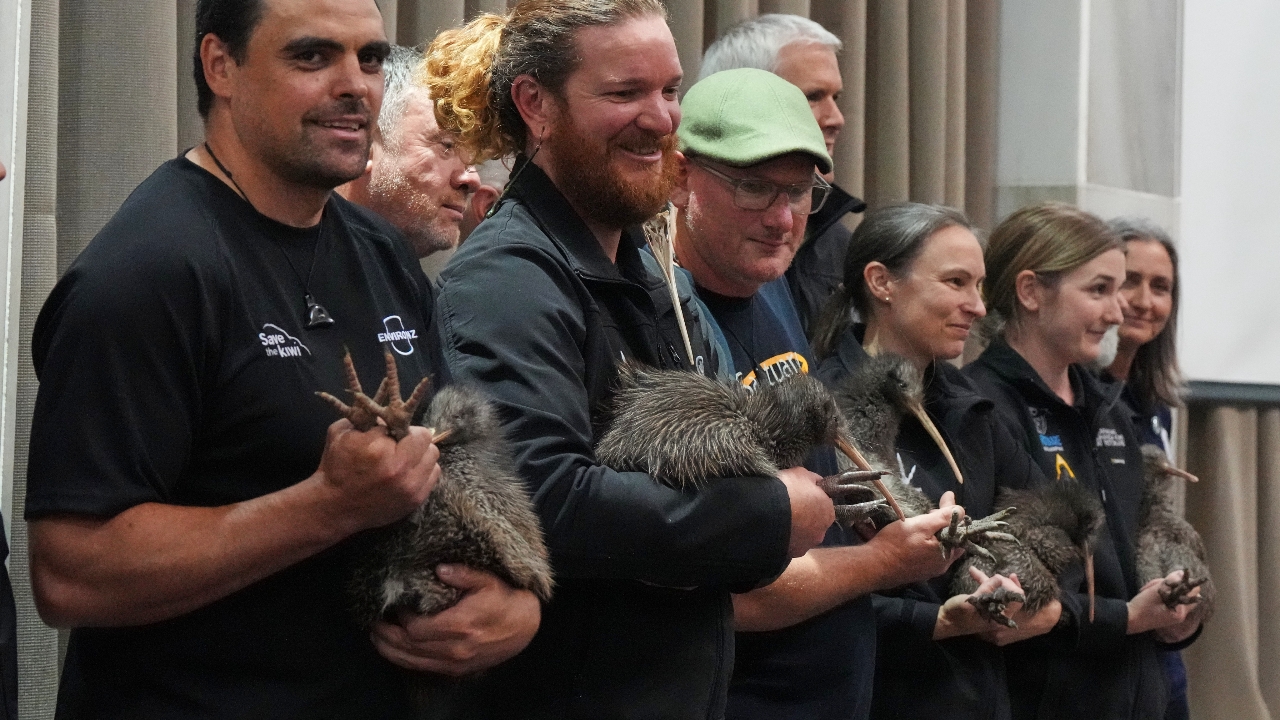
A group of volunteers in New Zealand has made history by successfully reintroducing the kiwi bird—a protected species and national emblem that had been extinct in the area—back to the mountain ranges around Wellington after more than 100 years.
Residents of Wellington, New Zealand, have come together to drive a community-led project aimed at restoring the kiwi bird, the endangered national animal, back to the natural areas surrounding the capital after over a century of absence.
Paul Ward, founder of the Capital Kiwi Project, revealed that the kiwi, an iconic species featured everywhere from the Air Force insignia to national nicknames, had disappeared from the hills around Wellington more than 100 years ago due to urban expansion and predatory animals. He stated, "They are part of the identity and sense of ownership of this place. We Wellingtonians collectively decided that their disappearance for over a century was unacceptable."
The latest achievement this week was relocating the 250th kiwi bird into the forested areas around the capital. Prior to the transfer, the birds were honored with a visit inside the parliamentary building for the first time, allowing politicians and schoolchildren to experience and appreciate their conservation up close.
Historically, New Zealand relocated rare birds to predator-free islands to prevent extinction. However, the Capital Kiwi Project pursues a different vision: enabling humans and kiwis to coexist within the bustling capital region.
The project’s success stems from collaboration between landowners and local Māori tribes to establish a safe habitat exceeding 150,000 rai (about 59,000 acres). Additionally, over 5,000 traps have been deployed to eliminate stoats—short-tailed mustelids that are major predators of kiwi chicks. Currently, the survival rate of kiwi chicks in Wellington stands at an impressive 90%.
Currently, New Zealand’s kiwi population numbers about 70,000 nationwide and continues to decline by an average of 2% annually. The Wellington project is a vital part of the national strategy aiming to rid the entire country of invasive predators such as rats, feral cats, and possums by 2050 to protect native wildlife.
Michelle Impey, CEO of Save the Kiwi, described this movement as remarkable. Unlike endangered species worldwide that often rely solely on donations, in New Zealand, "ordinary people are stepping up and doing everything they can themselves to protect the animals they love."
Wellington residents are now growing accustomed to spotting kiwis on backyard CCTV or hearing their calls while mountain biking at night, signaling that these "feathered neighbors" from legend have fully returned as part of the capital city’s community.
/sourceAssociated Press