

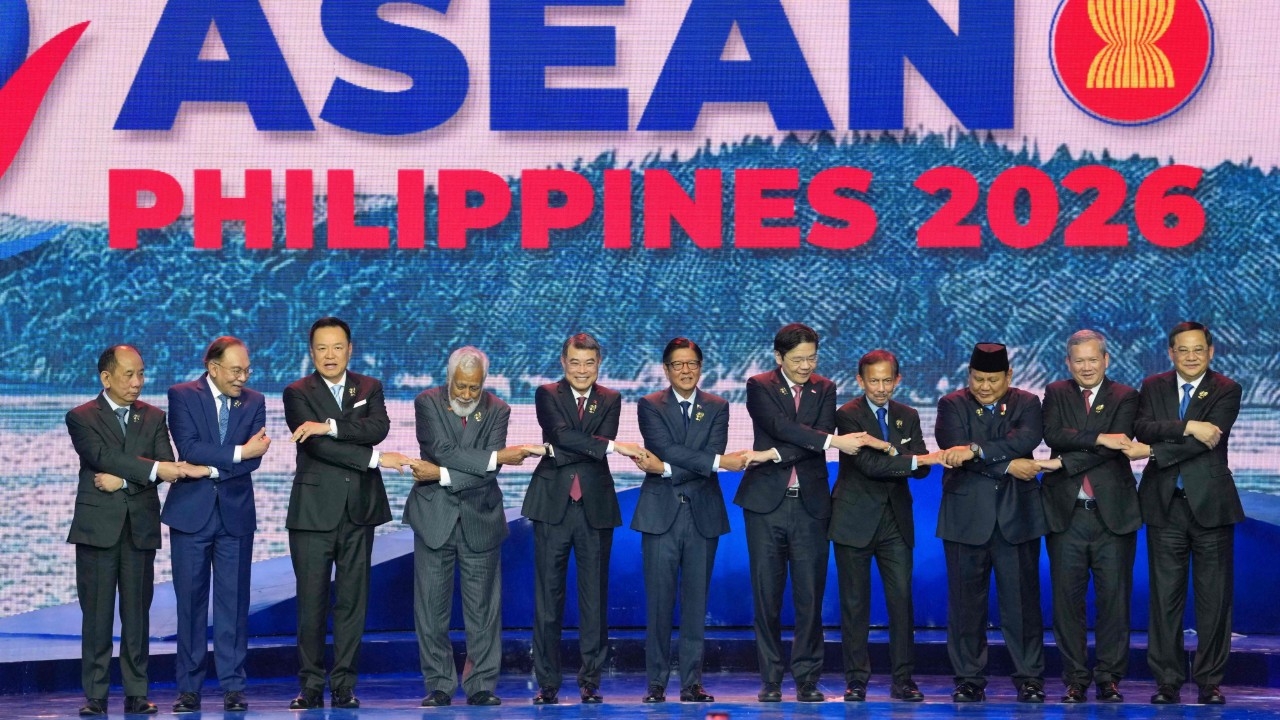
ASEAN leaders approved an emergency plan to address the impacts of the Iran war, expediting talks on joint oil reserves and power grid networks, amid fears of severe economic and labor disruptions in the Middle East.
On 9 May 2026 GMT+7, during the ASEAN Summit held in Cebu province, Philippines, leaders of Southeast Asian nations approved an emergency plan to manage the fallout from the war involving Iran, the United States, and Israel. The decision came amid concerns about energy prices, economic stability, and the safety of workers in the Middle East.
Reports indicate that the Philippines, heavily affected by soaring oil prices caused by the conflict, hosted the meeting. President Ferdinand Marcos Jr. ordered a reduction in extravagance and ceremonial aspects of the summit to reflect the global economic pressures currently faced.
ASEAN's emergency plan includes several measures such as expediting ratification of an agreement on sharing emergency fuel among member states, planning the establishment of a regional power grid network, creating oil reserves, and diversifying crude oil import sources to reduce dependence on risky areas. Additionally, leaders agreed to promote electric vehicle use and study new energy technologies, including peaceful nuclear energy.
However, President Marcos acknowledged that establishing regional oil reserves and a shared power grid system is complex and may require considerable time. He questioned whether the reserves would be stored in a single country or distributed across ASEAN. Although the concept of a shared power grid has been discussed for years, current implementation remains limited. Nevertheless, ASEAN leaders remain committed to pushing these initiatives forward because all countries are affected by the ongoing crisis.
Another key topic was concern over the potential mass migration of ASEAN workers from the Middle East if the conflict intensifies again, considering that over one million ASEAN nationals work and live in the region.
Besides the Middle East situation, ASEAN leaders also discussed other significant regional issues, including the South China Sea disputes, Myanmar's civil war ongoing for over five years, and border tensions between Thailand and Cambodia.
Source: AP