

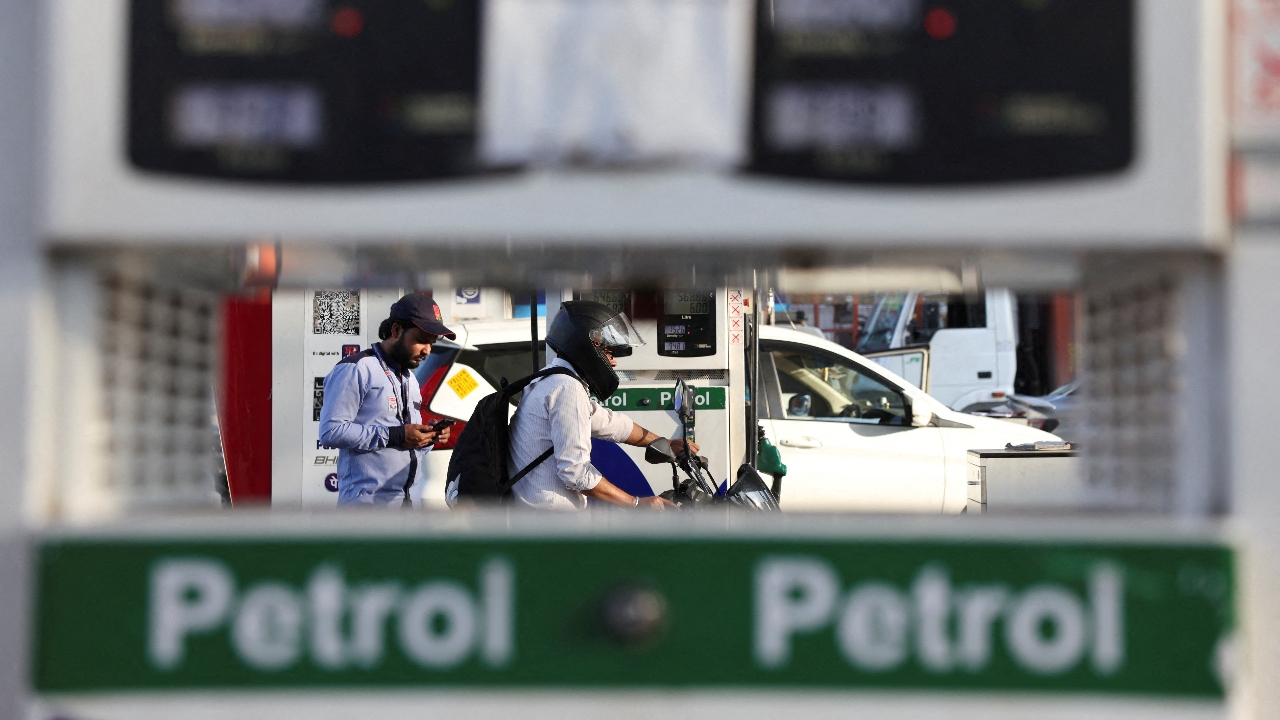
New Delhi, the capital of India, announced a major energy-saving initiative requiring government employees to work from home two days per week to reduce oil consumption, while requesting citizens to abstain from using cars one day a week to address the energy crisis.
Rakesh Gupta, Chief Minister of New Delhi, revealed on Thursday that the work-from-home policy for government employees will continue for 90 days, aiming to cut public sector fuel use and travel, while encouraging citizens to increase their use of public transportation. He also requested Delhi residents to observe at least one car-free day per week.
This measure follows Prime Minister Narendra Modi’s call for citizens nationwide to reduce energy usage, in response to impacts from the Middle East conflict disrupting oil transport routes and increasing global energy costs.
Although India has not raised petrol and diesel prices for consumers nor implemented fuel rationing like some regional countries, the government has increased prices for liquefied petroleum gas (LPG), a primary household fuel.
Tensions escalated after U.S. and Israeli attacks on Iran, leading Iran to nearly close the Strait of Hormuz, a critical global oil shipping route.
In addition to the work-from-home policy, the Delhi government announced the cancellation of large official events for the next three months and suspended foreign travel for government officials for one year.
Meanwhile, the local government will halt purchases of new vehicles powered by petrol, diesel, compressed natural gas (CNG), or even hybrids for six months to control fuel consumption.
Prime Minister Modi stated last Sunday that saving oil remains crucial to preserving India’s foreign currency reserves, as the country heavily depends on oil imports while global petrol and diesel prices soar.
Furthermore, the Indian government has increased import taxes on gold and silver to help stabilize the depreciating rupee and maintain foreign currency reserves, which are strained by the war crisis and rising energy prices.
Analysts believe that if the Middle East situation persists, India—being a major oil importer—may face increased economic pressures from higher energy costs, inflation, and volatile currency fluctuations in the near future.
Source:channelnewsasia
Click to read related news aboutInternational news