

The Director of the US Central Intelligence Agency (CIA) visited Cuba for the first time in 67 years to meet with the Cuban government as the country's energy crisis worsens. Hospitals, schools, and many government agencies have ceased operations due to a severe oil shortage that has left the entire island in darkness. Meanwhile, the US reiterated its readiness to provide 3.5 billion baht in aid, but with the condition that the funds be distributed through independent organizations rather than the Cuban government.
John Ratcliffe, Director of the US Central Intelligence Agency (CIA), traveled to Havana to meet with senior officials of Cuba's Ministry of the Interior. This diplomatic move follows the US proposal of $100 million (approximately 3.25 billion baht) in aid to alleviate the impact of oil import blockades.
Ratcliffe’s visit marks the second time a CIA Director has been to Cuba since Fidel Castro's 1959 revolution.
CIA officials told CBS News that the US is ready to engage seriously on economic and security issues but insists that "Cuba must undergo fundamental changes." During the talks, the CIA Director reiterated President Donald Trump's message that Cuba must no longer serve as a safe haven for enemies of the US in the Western Hemisphere.
A statement from the Cuban side described the meeting as an effort to elevate dialogue and reassured the US that the Cuban government does not pose a threat to America’s national security.
Cuba is currently facing a severe fuel shortage due to oil import blockades, causing hospitals to operate below capacity and forcing schools and government agencies to close. Vicente de la O Labe, Cuba's Minister of Energy, admitted that diesel and furnace oil supplies have been completely depleted, plunging the energy system into a "crisis."
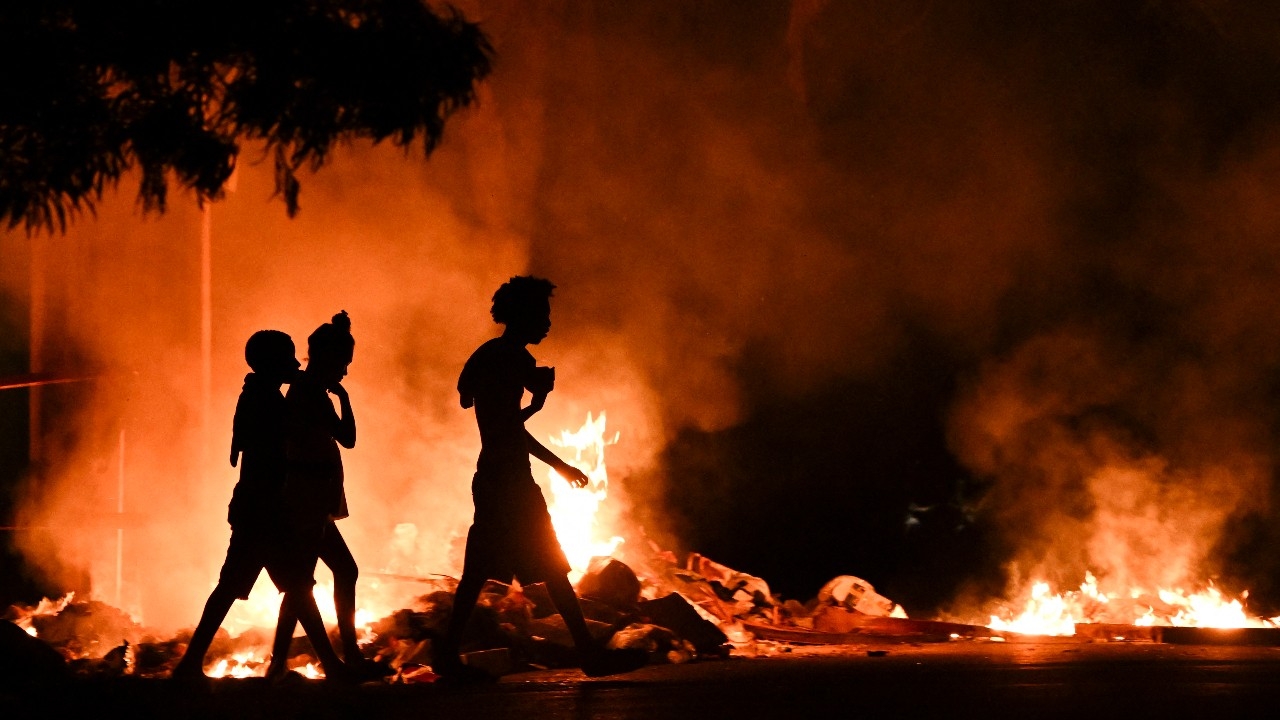
This tension has sparked protests in Havana, with streets blocked and trash set ablaze as people shouted against the government. These demonstrations represent the largest protests since the energy crisis began in January.
Despite the US offering $100 million in aid, Cuban Foreign Minister Bruno Rodriguez questioned the method of distribution. The US State Department has clearly stated that aid must be distributed through "the Catholic Church and credible independent organizations" to prevent funds from passing through the Cuban government.
Cuban President Miguel Diaz-Canel responded that if the US truly wants to help, it should lift the intensified economic sanctions imposed during President Trump’s administration, which threatened to tax any country supplying oil to Cuba, forcing main suppliers like Venezuela and Mexico to stop shipments.
Amid rising tensions in negotiations, the US continues to increase pressure, reportedly preparing to file charges against former President Raul Castro in connection with a humanitarian aid plane shootdown 30 years ago. This incident underscores the fragile and conflict-ridden relationship between the two countries.
. BBC