

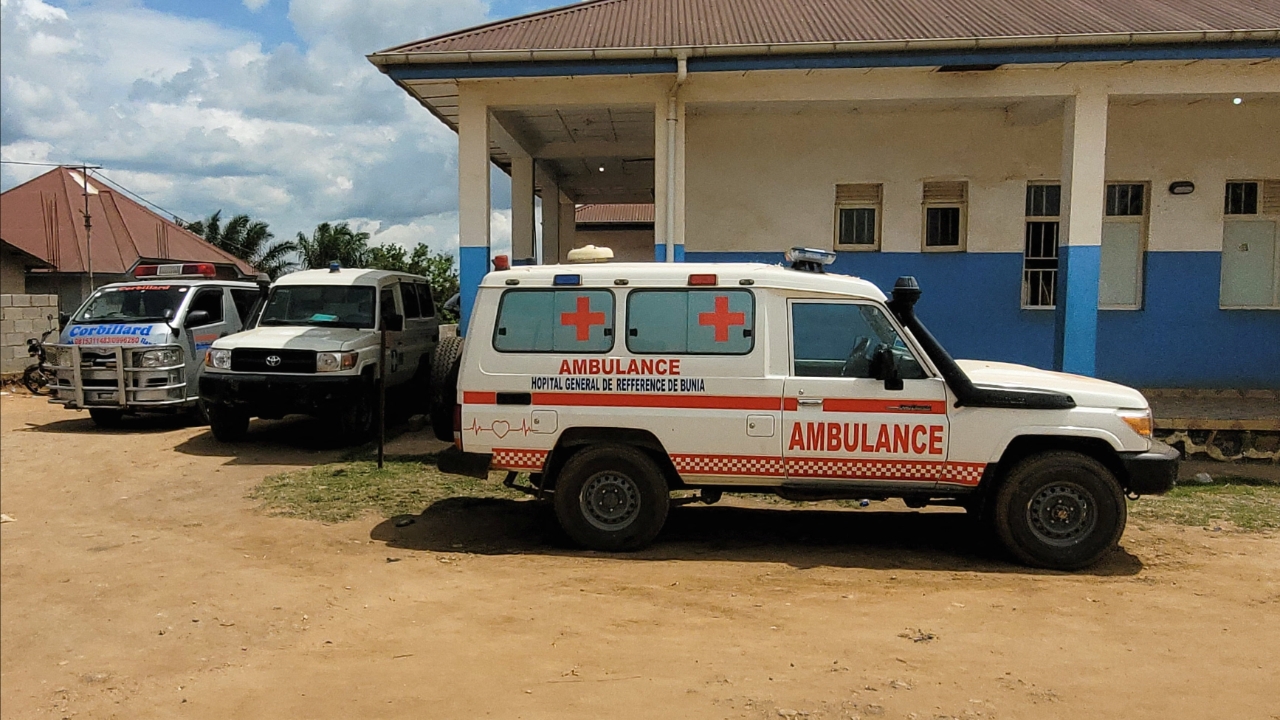
The death toll from the new Ebola outbreak in the Democratic Republic of Congo has increased to 87, with several hundred suspected cases still under investigation.
On 16 May 2026, health officials in the Democratic Republic of Congo (DRC) expressed serious concern over a new Ebola outbreak in Ituri Province, which has already caused 87 deaths.
Currently, several hundred suspected cases have been identified, including one infected person who crossed the border into Uganda. Additionally, the Africa CDC stated that there is no vaccine yet available for this latest strain of the virus.
The World Health Organization (WHO) revealed that DRC authorities confirmed this new outbreak last Friday. Ebola transmits through blood and other bodily fluids, as well as contact with contaminated surfaces. Symptoms include fever, body aches, fatigue, vomiting, and in some cases, bleeding.
Dr. Jean Kaseya, Director General of Africa CDC, said during a video press briefing on Saturday that health officials believe the outbreak began in late April. So far, there are 336 suspected cases and 87 confirmed deaths.
Most patients detected so far are concentrated in two mining towns, Mongwalu and Rwampara, areas with heavy worker movement. "We are talking about a highly vulnerable and high-risk region," Dr. Kaseya said.
On 14 May, a 59-year-old Congolese man died from Ebola in Kampala, the capital of Uganda, which borders DRC.
A person traveled from DRC to Uganda and was admitted to a hospital. He was ill while in the community and had contact with several people; he also used public transport to reach Uganda.
Dr. Kaseya added that the man died in hospital, but his body was returned across the border to DRC for burial.
Officials say it is still unclear how rapidly the virus is spreading. Previously, the Bundibugyo strain of Ebola has caused two outbreaks, but it is less common than the Zaire strain, so experts have limited understanding of it and no approved vaccine exists.
However, researchers have disclosed that experimental vaccines meeting selection criteria are currently under further study. These vaccines have so far only been partially tested in monkeys, showing about 50% efficacy, with no human trials yet conducted.
Follow international news:https://www.thairath.co.th/news/foreign
Source:npr