

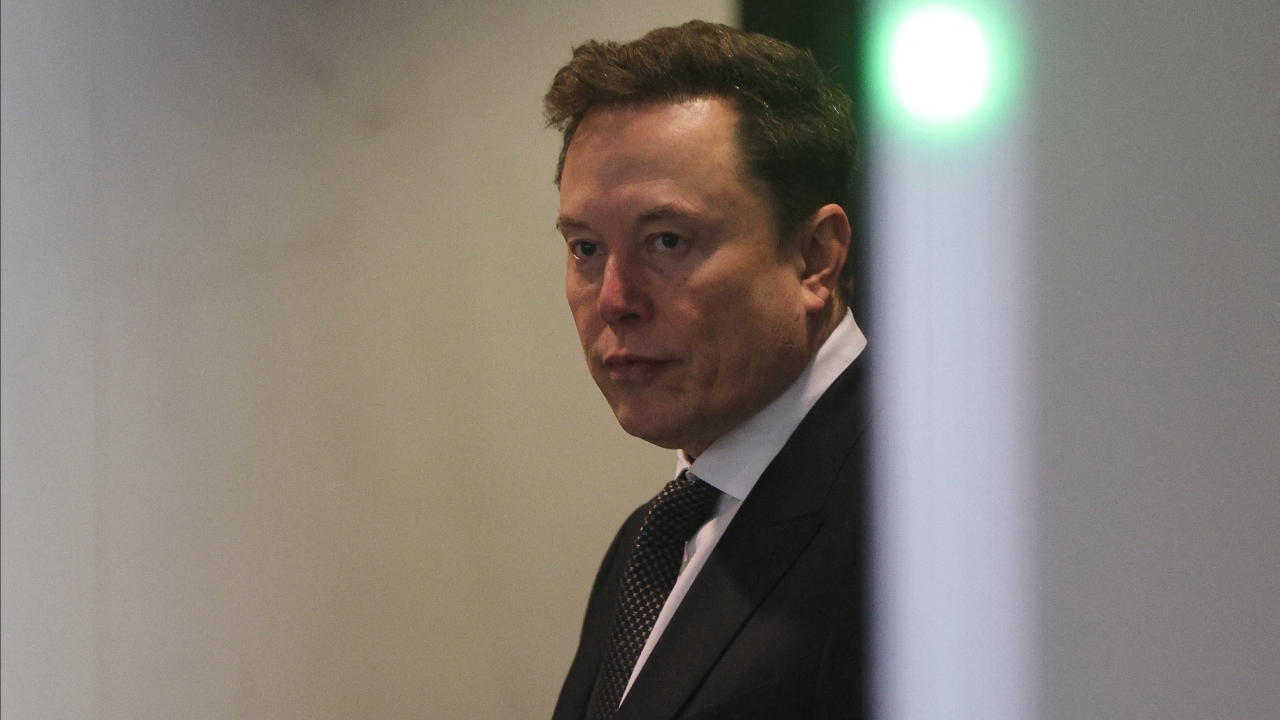
A California jury dismissed Elon Musk's lawsuit against OpenAI and Sam Altman, stating that Musk waited too long before deciding to file the case.
On 18 May 2026 GMT+7, a California court jury dismissed a high-profile lawsuit filed by Elon Musk, the world's richest person, against OpenAI and its CEO Sam Altman over alleged breach of nonprofit organization agreements.
The jury unanimously agreed that Musk delayed filing the lawsuit too long, causing all his claims to expire by default.
Previously, Musk accused Altman of violating the nonprofit agreement by transforming the company behind the popular chatbot ChatGPT into a for-profit entity after Musk had donated $38 million during OpenAI's early founding period.
Musk claimed that Altman deceived him by accepting the donation and then reneging on OpenAI's original mission to develop artificial intelligence (AI) technology for the benefit of humanity without profit motive.
The jury took only about two hours on Monday to decide the case, after spending three weeks reviewing internal communications and hearing testimonies from Musk, Altman, and other tech industry executives such as Satya Nadella, CEO of Microsoft.
Musk also accused Microsoft of aiding and supporting OpenAI's transition to a for-profit company, which he claimed was improper. However, other allegations Musk made against Microsoft were dismissed by law as the jury had already ruled on the main claims against OpenAI.
A Microsoft spokesperson commented on the verdict, stating, "The facts and sequence of events in this case have long been clear," and added that the company remains committed to working with OpenAI.
This jury verdict marks another recent legal defeat and settlement for Elon Musk in ongoing court battles.
Just hours after the jury's decision, Musk immediately criticized the outcome by posting on platform X that the ruling amounted to granting "a license to loot charitable organizations freely, as long as you can keep the theft quiet for a few years!"
He also accused the presiding judge of being a "very bad activist" who used the jury as a mere "fig leaf excuse."
On the first day of the trial, one of Musk's lawyers asked him about the purpose of the lawsuit, to which he responded, "It's actually very simple... Stealing from charitable organizations is wrong... If stealing from charities is acceptable, then the entire foundation of charitable giving would be destroyed."
During his testimony, Sam Altman told the jury that Musk not only supported the idea of turning OpenAI into a for-profit business but also tried to wrest long-term control of the company.
"One particularly eerie moment was when other co-founders asked him (Elon Musk), 'If you are in control, what happens if you die?'" Altman said. "He replied something like, 'Maybe it should pass down to my children.'"
Elon Musk and Sam Altman co-founded OpenAI in 2015, but Musk withdrew in 2018 after the other co-founders refused to grant him controlling power over the company.
Follow international news:https://www.thairath.co.th/news/foreign
Source:bbc