

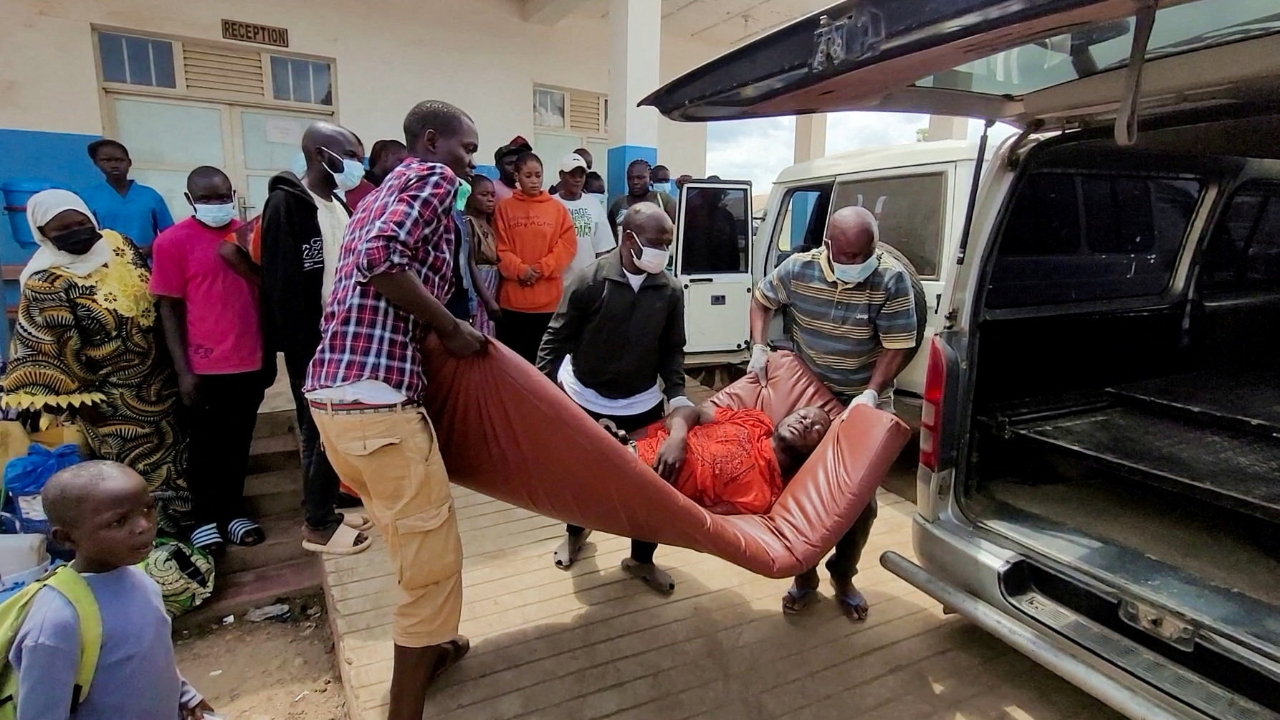
DR Congo is preparing to open three more Ebola treatment centers after a rare Ebola virus strain has caused over 110 deaths, while the WHO has sent expert teams and medical supplies to the area to urgently control the situation.
The Democratic Republic of Congo plans to open three additional Ebola treatment centers in Ituri province in the eastern part of the country after the outbreak of a rare Ebola virus strain has killed more than 110 people. Congolese officials revealed on Monday that an American doctor working in Congo is among the newly infected cases of this strain, for which there is currently no officially approved vaccine or treatment.
This development comes just one day after the World Health Organization declared the Ebola outbreak in Congo a "public health emergency of international concern."
Most recently, a plane carrying WHO experts and over 5 tons of medical supplies landed in Bunia city in Ituri province last Sunday to support the Congo government's disease control operations.

There are currently reports of more than 118 deaths and over 300 suspected cases in Ituri and North Kivu provinces, while neighboring Uganda has reported one death and one suspected infection.
However, experts warn that the number of infections could rise further, as health authorities continue surveillance and search for additional patients in multiple areas.
This outbreak is linked to the Bundibugyo virus, a rare Ebola strain previously detected only twice before: once in Uganda in 2007 and again in Congo in 2012.
Health officials officially confirmed the outbreak last Friday after several weeks of unexplained illnesses and deaths in remote mining areas near the town of Mambasa in Ituri province.
Ebola is a severe infectious disease that easily spreads through bodily fluids such as vomit, blood, or semen. Patients typically experience severe symptoms and have a high fatality rate, making this outbreak a renewed concern for global public health.
Source:AP
Click to read news aboutInternational News