

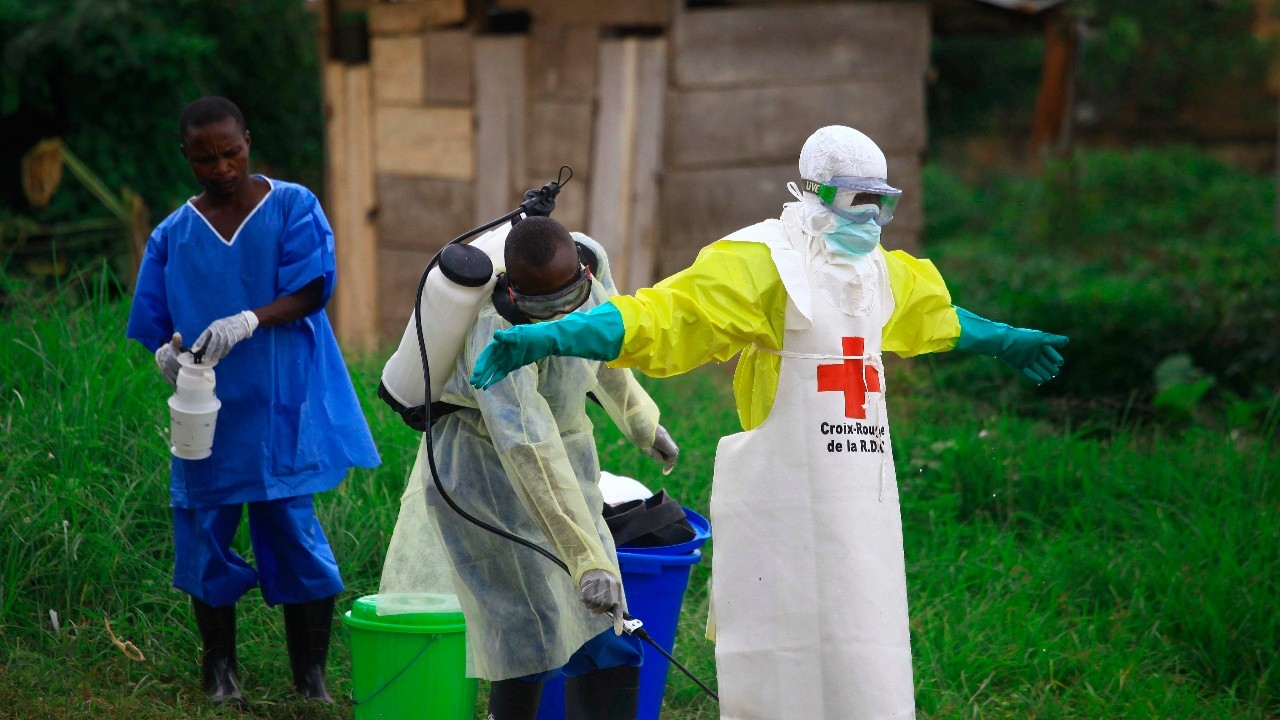
The Ebola virus outbreak in the Democratic Republic of Congo (DR Congo) has worsened, with at least 131 deaths and more than 510 suspected infections reported, while the World Health Organization (WHO) is urgently discussing alternative vaccine options to address the strain that currently lacks specific treatment.
The Ebola situation in DR Congo is causing growing international concern after local officials revealed at least 131 deaths and over 513 suspected cases.
The DR Congo government stated that the outbreak is expanding significantly, with new cases reported in several areas including Niangunde in Ituri Province, Butembo in North Kivu Province, and Goma, the country's important economic hub in the east. Authorities have assured the public that medical teams are working hard to trace and monitor suspected cases and urged people to remain calm, though public anxiety continues to rise inevitably.
The World Health Organization (WHO) has declared the Ebola Bundibugyo strain outbreak a "Public Health Emergency of International Concern" (PHEIC), but noted it does not yet meet the criteria for a global pandemic.
One major challenge of this crisis is that the Bundibugyo strain has a high fatality rate of up to 40%, and currently there is "no officially approved vaccine or treatment" specifically for this strain.This has led WHO to plan a meeting of experts to consider vaccine alternatives and additional disease control measures.
One vaccine under consideration is Merck's "Ervebo," originally developed to prevent the Zaire strain of Ebola, which animal trials suggest may offer partial protection against the Bundibugyo strain.
Dr. Mosoka Fallah, Acting Director of Science at the Africa Centres for Disease Control and Prevention (Africa CDC), said experts will evaluate all scientific evidence before deciding on the best response strategy.
Meanwhile, the U.S. Centers for Disease Control and Prevention (CDC) confirmed two cross-border infections in neighboring Uganda, with one death reported.
Additionally, an American doctor contracted Ebola while working in Congo. The medical missionary group Serge reported that the infected individual is Dr. Peter Stafford, who is being transferred to Germany for treatment. Two other doctors, including his wife, are under quarantine monitoring after exposure to the patient.
Reports indicate at least six Americans have been exposed during this outbreak, and the U.S. government is coordinating the relocation of some personnel to secure quarantine areas. The CDC stated that while the risk to the U.S. remains low, strict surveillance measures have been initiated, including monitoring travelers from affected areas, enhancing testing capacity, and preparing hospitals nationwide.
The United States has issued a Level 4 travel advisory, its highest level, prohibiting travel to DR Congo. WHO has recommended that Congo and Uganda strengthen cross-border screening measures to prevent further spread to other countries.
Rwanda has announced increased border screening with Congo, while Nigeria stated it is closely monitoring the situation.
Public health experts have also warned people to avoid traditional funeral practices involving contact with deceased bodies, as these were key factors in the rapid spread during the major West Africa outbreak of 2014-2016, which infected over 28,600 people and caused more than 11,000 deaths worldwide.