

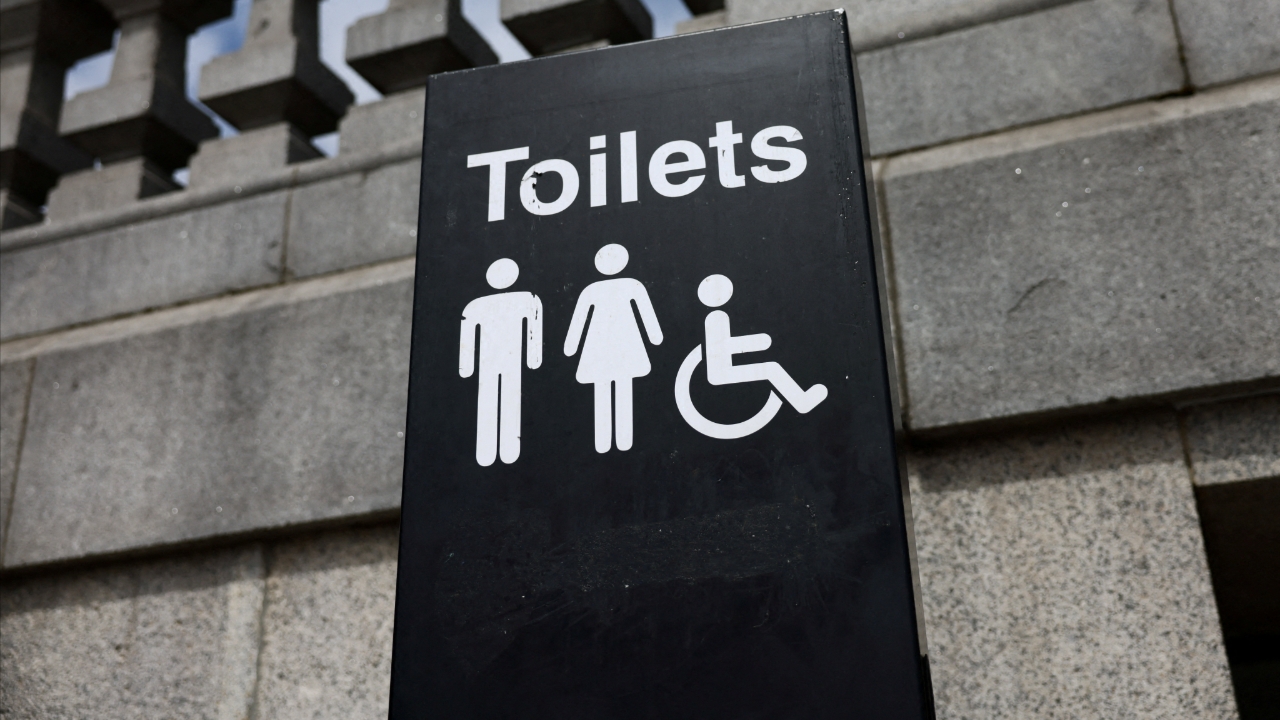
The United Kingdom has revealed new guidelines on the use of single-sex spaces, such as bathrooms and changing rooms, specifying that their use must be based on biological sex.
On 21 May 2026, the UK Equality and Human Rights Commission (EHRC) confirmed in its new guidelines that single-sex spaces, including changing rooms and bathrooms, must be used solely on the basis of biological sex.
The new guidelines give the example that transgender women—those assigned male at birth but identifying as female—should not use female bathrooms or changing rooms.
These guidelines, developed by the EHRC and approved by a government minister, clearly state that transgender individuals should be offered the option to use third-party or gender-neutral spaces instead.
However, the guidelines also specify that completely denying transgender people access to any services or facilities is inappropriate and may constitute discrimination.
The guidelines have now been submitted to Parliament, where members of the House of Commons and the House of Lords have 40 days to raise any concerns. If there are no objections, the guidelines will become legally binding.
These new guidelines were published last Thursday, following a landmark Supreme Court ruling last year that defined “woman” under the Equality Act according to biological sex.
The guidelines set out how associations, businesses, and services open to the public should organize their facilities, covering a range of venues from shopping centers and gyms to hospitals and restaurants.
Bridget Phillipson, Minister for Women and Equalities, said the aim of these guidelines is to help people live free from discrimination and harassment.
“What we have always prioritized is ensuring organizations have clear and accessible guidance to enforce the law,” she said.
The guidelines recommend that gender-neutral bathrooms or changing rooms should be private, lockable spaces with walls extending from floor to ceiling and include shared washbasins inside.
The EHRC stated it does not consider these requirements to be an excessive burden on operators, as venues can decide, for example, to allow transgender people to use accessible toilets.
Additionally, the EHRC noted that if a venue only has two bathrooms—one male and one female—it can convert them into unisex facilities for all genders.
Follow international news:https://www.thairath.co.th/news/foreign
Source:bbc