

The International Federation of Red Cross and Red Crescent Societies (IFRC) announced that three Red Cross volunteers in the Democratic Republic of Congo died from Ebola virus infection after managing corpses in the outbreak area, as the death toll reached 204. Meanwhile, the World Health Organization raised the public health risk to "very high".
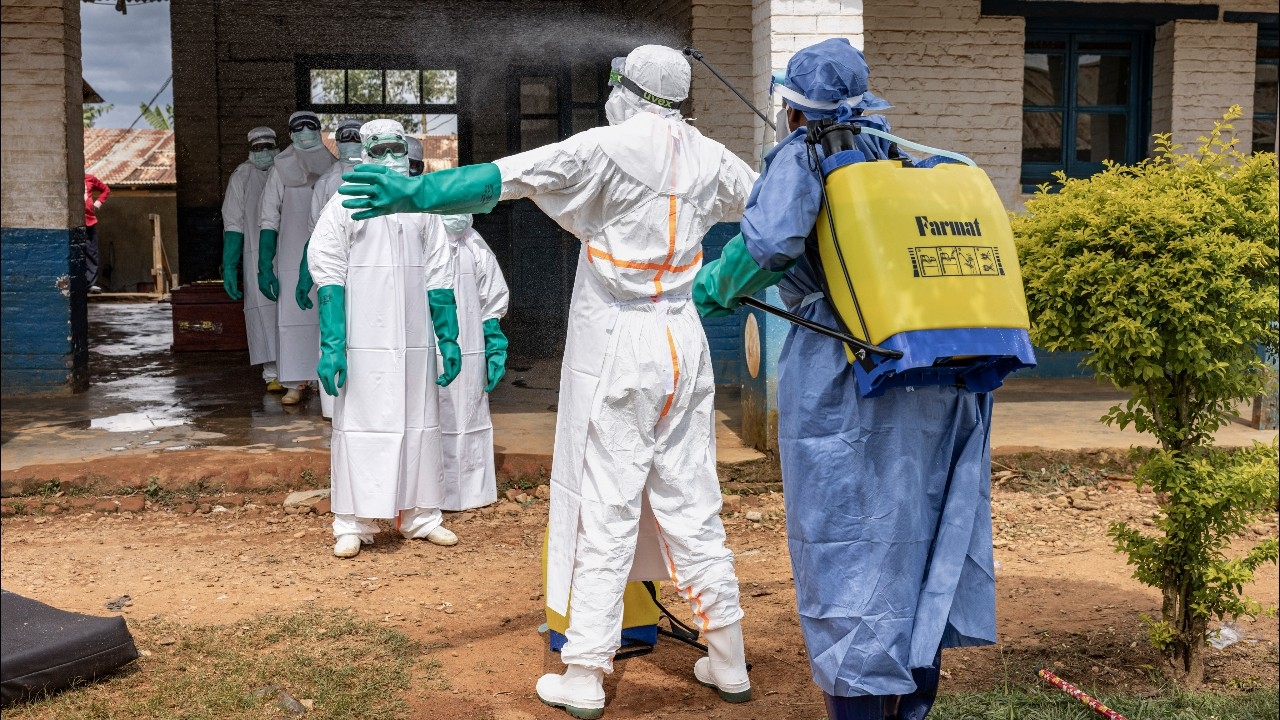
The Ebola virus outbreak in the Democratic Republic of Congo (DRC) has intensified. Recently, the International Federation of Red Cross and Red Crescent Societies (IFRC) revealed that three of its volunteers died from Ebola infection, believed to have contracted the virus on 27 March while handling deceased bodies in the town of Mangwal, eastern Ituri province. This was part of a project unrelated to the virus before the outbreak was officially identified.
The three deceased volunteers are Alicana Udumuzi Augustin, Sesabo Katanabo, and Ajiko Chandiru Vivian, who passed away between 5 and 16 May. The IFRC honored them for sacrificing their lives in service to the community "with courage and humanity."
This incident made the three volunteers among the first victims of this wave of the outbreak, which currently has over 867 suspected cases and a death toll of 204.
Public health experts warn that bodies of Ebola victims can strongly transmit the virus because bodily fluids still contain infectious virus even after death. Moreover, this outbreak is caused by a rare strain called the "Bundibugyo strain," for which no officially approved vaccine exists, and it has a fatality rate of about one-third of those infected.
As a result, the World Health Organization (WHO) has raised the public health risk level from "high" to "very high" for this virus in the DRC.
To prevent cross-border spread, the DRC's Ministry of Transport announced the suspension of all commercial and private flights to and from Bunia, the capital of Ituri province and the area with the highest cases and deaths. Only humanitarian, medical, or emergency flights approved by aviation and health authorities are allowed.
Meanwhile, neighboring Uganda confirmed three new cases, bringing its total to five. The Africa Centres for Disease Control and Prevention (Africa CDC) warned ten other African countries at risk of the outbreak: Angola, Burundi, Central African Republic, Republic of Congo (Congo-Brazzaville), Ethiopia, Kenya, Rwanda, South Sudan, Tanzania, and Zambia.
Beyond the epidemic crisis, officials face community conflicts. Médecins Sans Frontières (MSF) reported that an Ebola support medical tent in Mangwal was deliberately set on fire. The day before, angry crowds attempted to burn part of another hospital in Ituri province because they were upset that officials prohibited relatives and close friends from removing the body of a young man suspected to have died from Ebola for religious rites.
In addition to Ituri province, cases have been detected in North Kivu and South Kivu regions. Some eastern areas of both regions remain under control of the M23 rebel group. Ongoing clashes between rebels and government forces pose a major obstacle, making it more difficult for medical teams to control and manage the deadly virus.
. . .BBC