

The labor union of Samsung Electronics has approved a new wage and bonus agreement, halting plans for a major strike. This results in chip division employees set to receive substantial stock bonuses worth up to 600 million won each (approximately 13 million baht). However, the deal has begun to cause dissatisfaction among other departments receiving smaller amounts.
Samsung Electronics' labor union revealed that its members have voted to approve a new joint agreement with management. This agreement, offering substantial annual bonuses, alleviates concerns about potential disruptions in the global semiconductor supply chain amid rapidly growing demand for AI-related chips.
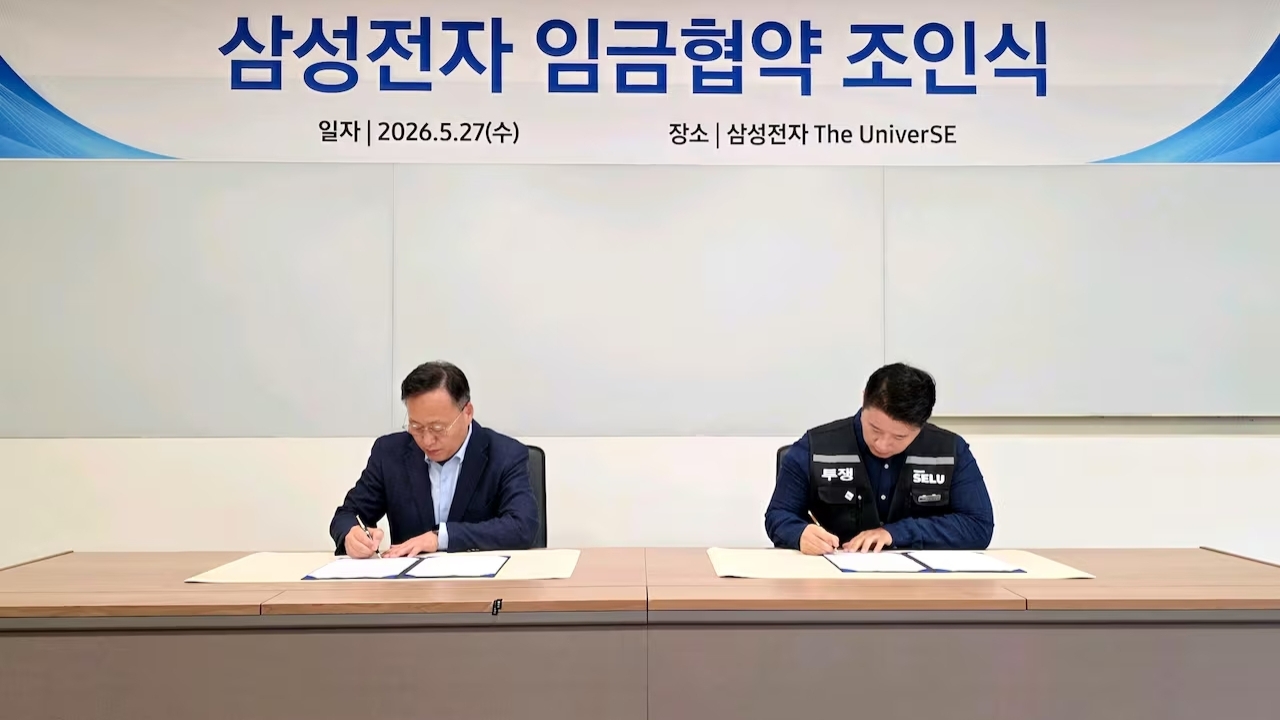
In an electronic vote conducted over six days, union participation reached 95%. Of the 62,616 voters from the company's two largest unions, 73.7% approved the temporary agreement. On the same day, both sides formally signed the agreement, with management pledging to cooperate with the union to strengthen the company's global competitiveness.
This development follows months of negotiations since late last year concerning performance-based bonuses linked to profits from the AI-related semiconductor business. The dispute nearly led to an 18-day strike before both sides reached an agreement just one hour before the planned strike on 21 May. Had the strike proceeded, it would have severely impacted South Korea's economy, as Samsung Electronics alone accounts for 12.5% of the country's GDP, and memory chips represent 35% of national exports.
Under the new 10-year agreement, Samsung will allocate a special profit bonus for the semiconductor division equal to 10.5% of its operating profits without a cap, plus an additional 1.5% in cash. This special bonus will be paid in company stock over at least 10 years, tied to ambitious targets: the chip division must achieve annual operating profits exceeding 200 trillion won from 2026 to 2028, and over 100 trillion won from 2029 to 2035. The bonus will be split 40% to the division as a whole and 60% distributed among its subunits.
Based on forecasts that Samsung's operating profits could reach 300 trillion won this year, approximately 28,000 chip division employees out of 125,000 total South Korean staff will be eligible for bonuses of about 600 million won each (around 13 million baht).
These substantial bonuses not only help prevent skilled engineers from moving abroad to companies like Tesla in the U.S., but also have created a significant social phenomenon in South Korea. Last year, employees at rival SK hynix received bonuses three times larger than Samsung's, making SK hynix-branded jackets viral on social media and humorously dubbed "golden tickets" to luxury boutiques or better dating opportunities.
Yonhap News, citing data from leading matchmaking firm Sunoo, reported that jobs at Samsung and SK hynix have become a mark of prestige that "increases value in the marriage market," with desirability indices rivaling traditionally respected professions like doctors and lawyers.
However, the agreement has caused significant internal tension, creating divisions between employees in the highly profitable semiconductor division and other departments with flat or declining profits, such as mobile phones, displays, and home appliances.
On Tuesday, a small union representing non-chip division employees filed a court petition seeking a temporary injunction to suspend the agreement, alleging unfair favoritism toward the chip division. Discontent has also spread to Samsung affiliates like Samsung Display, Samsung SDI, and Samsung Electro-Mechanics, which are separately registered and receive much smaller bonuses. Meanwhile, some minority shareholders have expressed dissatisfaction and threatened legal action, arguing the deal lacks shareholder approval.
Moreover, Samsung's bonus agreement has sparked similar demands from labor unions in other South Korean sectors—including biotechnology, automotive, shipbuilding, and IT—for higher profit-sharing bonuses. This has triggered government-level debates on how AI-era profits should be distributed. Senior presidential office officials have proposed a "national dividend" concept, suggesting excess taxes from AI businesses be used to fund social welfare programs instead of concentrating wealth in select groups.
Source: AFP /Yonhap