

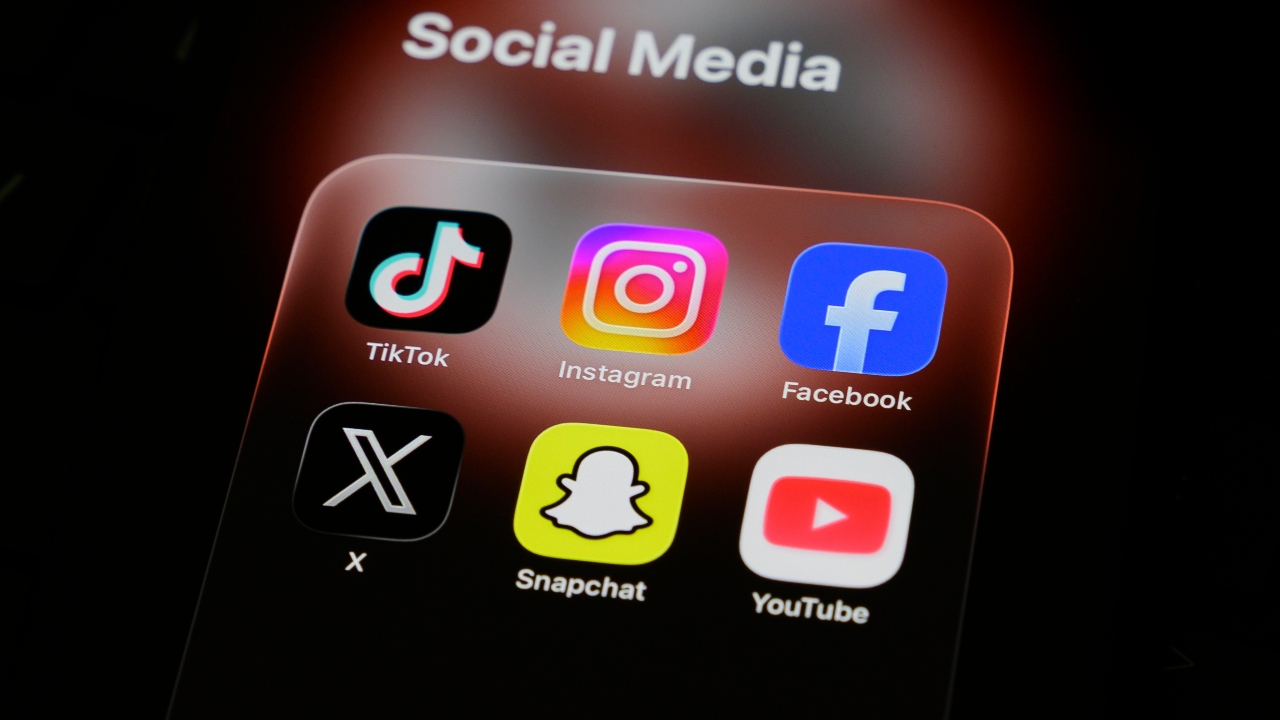
Malaysia has advanced youth protection measures online by enforcing a law starting today (1 Jun) that prohibits children under 16 from opening social media accounts. It also mandates that platforms install user age verification systems, with penalties up to 10 million ringgit (about 82 million baht) for violations.
Malaysia has officially begun enforcing legal measures banning children and youths under 16 from creating or owning user accounts on social media platforms. This move is part of broader efforts to enhance digital safety protections for young people.
The new regulation requires social media platforms to seriously implement age verification systems and block users below the age limit from creating accounts. The law applies only to large platforms with user bases of at least 8 million in Malaysia, including Facebook, Instagram, TikTok, and YouTube.
Technology companies that fail to comply with the regulations may face civil fines up to 10 million ringgit (approximately 82 million baht). However, parents or guardians whose children manage to bypass the system will not be penalized under this law.
The Malaysian government emphasized that the measure aims to protect children from harmful content, online bullying, and platform features designed to encourage excessive usage.
The Malaysian Communications and Multimedia Commission (MCMC) explained that the regulation is not intended to block children's access to the internet or digital technology but to set expectations and standards requiring platform providers to take responsibility for online hazards and implement age-appropriate safeguards.
MCMC stated in a release, "These measures will strengthen online protection for children, while also reassuring parents as they guide their children through increasingly complex digital risks."
Additionally, platforms must apply "safety by design" principles, such as preventing addictive algorithmic features and proactively managing underage accounts and harmful content. However, major tech companies have yet to reveal detailed plans on how they will adjust systems to comply. Malaysian authorities will allow a grace period for platforms to develop and complete age verification systems.
Clara Koh, Meta's Southeast Asia public policy director, expressed concerns in April that Malaysia's blanket ban on under-16s could backfire by pushing teens to unregulated, unprotected apps or dark corners of the internet. She noted Meta already offers "teen accounts" for users under 18 that limit contacts, screen time, and inappropriate content access.
The law's enforcement has also raised data privacy concerns. Benjamin Loh, a social sciences professor at Monash University Malaysia, said, "While this measure aligns with global trends, it raises worries that government-issued identity documents, such as national ID cards, might be required for age verification."
Loh further assessed that experience from other countries shows age restrictions have not consistently proven effective. The lack of penalties for parents makes it easy for families to circumvent the law by having adults open accounts on behalf of children, representing a major loophole that could render the law ineffective in preventing children from using social media.
Malaysia's measure comes amid global pressure on governments to address social media's impacts on children's mental health and safety. In March, a U.S. jury ordered Meta and YouTube to pay millions in damages over lawsuits alleging platform features harmed young users.
Currently, many countries worldwide are actively addressing this issue. Australia, Brazil, and Indonesia have already implemented or announced age restrictions for social media access, while others such as the United Kingdom, France, Spain, Denmark, South Korea, and Thailand are studying and developing similar policies.