

Cambodia announced the initiation of compulsory conciliation under the United Nations Convention on the Law of the Sea (UNCLOS) to resolve its maritime boundary dispute with Thailand, following Thailand's unilateral cancellation of MOU 44. Cambodian Prime Minister Hun Manet emphasized that this step is to protect sovereignty and expressed hope to end the longstanding conflict over the overlapping area that holds energy resources valued at more than $300 billion.
The Cambodian government has officially informed the United Nations (UN) and the Thai government that it has begun the "compulsory conciliation" process under international law to resolve the decades-long maritime overlap dispute in the Gulf of Thailand.
This development follows Thailand's government, led by Prime Minister Anutin Charnvirakul, unilaterally deciding last month to cancel the Memorandum of Understanding (MOU) 44, which covered the overlapping continental shelf claims between Thailand and Cambodia and had been the main framework for negotiations between the two countries. The cancellation was part of Anutin's election campaign promises, amid rising nationalism following two military clashes along the border last year.
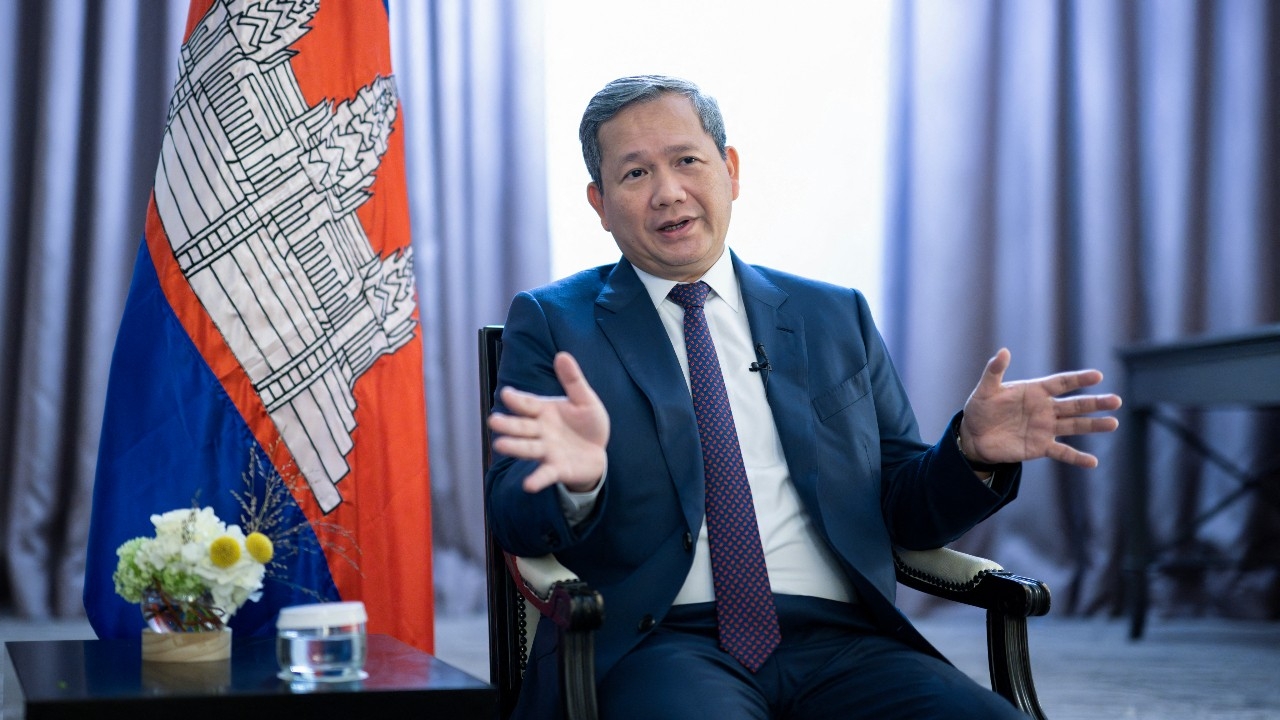
Cambodian Prime Minister Hun Manet stated on the national television station TVK that Cambodia has submitted a letter to the UN Secretary-General to begin the compulsory conciliation process under UNCLOS. He said, "We are taking this important step to protect Cambodia's sovereignty and maritime rights under international law. Both Cambodia and Thailand will benefit from a fair and sustainable settlement under the guidance of world-class experts."
The overlapping maritime area is estimated by Thailand's Ministry of Energy to contain vast reserves of oil and natural gas valued at more than $300 billion (approximately 9.76 trillion baht). Efforts to allocate these benefits have been hindered by a land border dispute stretching 800 kilometers, a legacy of the French colonial era.
Tensions between Thailand and Cambodia have remained high after armed clashes along the border in July and December last year, resulting in numerous casualties and some territory being occupied. Although a ceasefire agreement was reached in December, both sides continue to accuse each other of violations. Cambodia has called for Thai troop withdrawals and condemned damage to the ancient temples caused by the fighting.
Under UNCLOS, the compulsory conciliation process allows an independent expert panel to review the dispute and make recommendations for resolution. However, the panel's findings are "not legally binding" on either party but serve as a more neutral and internationally recognized framework for negotiation.
So far, Thailand's Ministry of Foreign Affairs has not commented on Cambodia's move, amid energy investors closely watching for clarity on resource exploration in the Gulf of Thailand, which has been awaited for a long time.
Source: AFP /Reuters/The Phnom Penh Post