

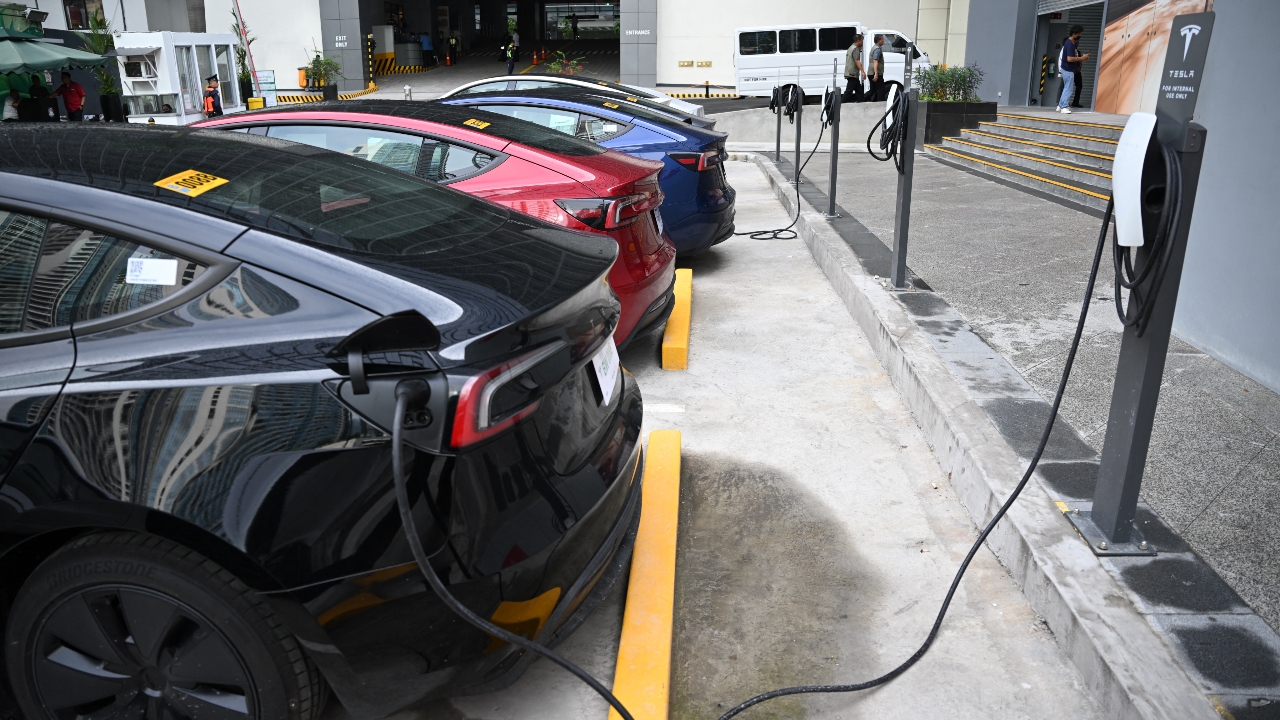
The Middle East energy crisis has stimulated demand for electric vehicles in the Philippines, driving sales to 14,000 units in the first three months of the year, while the government is rushing to expand infrastructure to support its goal of EVs making up 50% of vehicles on the road by 2040.
Soaring fuel prices have clearly accelerated Filipino consumers’ shift to electric vehicles (EVs), with EV sales rising 36% in the first quarter of 2026 compared to the same period last year, amid ongoing efforts to reduce rising transportation costs.
One individual who decided to switch to an electric vehicle said EVs significantly reduce expenses during periods of high fuel prices. Previously, they paid about 8,000 pesos per month for fuel—around 130 US dollars—but now they only pay a few hundred pesos for electricity.
Additionally, the vehicle can run all day on a single charge, and upon returning home, about 40-50% of the battery remains.
Fuel prices in the Philippines have more than doubled since March, following conflicts in the Middle East that affected global energy markets.
This impact has prompted many consumers to seek alternative travel options, with electric vehicles becoming one of the most popular choices.
Automotive industry data shows EV sales in the first quarter of 2026 increased 36% compared to the previous year, while the Philippine Department of Energy revealed approximately 14,000 EVs were sold in just the first three months—nearly half of the total 32,000 units sold in 2025. However, the rapid growth of the EV market has caused supply shortages for many companies.
Mike Lim, founder and CEO of EV Supreme, said showroom sales in Metro Manila have increased eightfold since the fuel price crisis began.
Willy Ti Ten, president of the Electric Vehicle Association of the Philippines, stated that many brands had to open pre-order systems because no one anticipated such a surge in demand. This led several dealers to travel to the international auto show in Beijing, China, to negotiate increased delivery quotas from foreign manufacturers.
However, despite EVs reducing operating costs and carbon emissions, key obstacles to market growth remain: the high purchase price and an insufficient number of charging stations. Currently, only about 900 charging stations are operational, while the Philippine government’s EV development plan aims to install more than 7,000 stations nationwide by 2028.
Patrick Aquino, director of the Energy Utilization Management Bureau at the Philippine Department of Energy, noted that although the private sector shows strong investment interest, the approval and certification processes may take at least six months before construction can begin.
Beyond the number of charging stations, charging speed is another concern for users. Experts point out that many current stations use slow charging systems, causing some drivers to worry about range and convenience.
Glenford Philip Artuz, a ride-hailing service operator, said fueling takes only a few minutes, but EVs require stopping to charge, which directly affects business operations.
The Philippine government aims for electric vehicles to account for 50% of all vehicles on the road by 2040 and has introduced various support measures, including special loans for EV purchases and tax incentives.
However, experts warn that if the government and private sector cannot accelerate the expansion of charging stations, improve charging system efficiency, and resolve vehicle shortages in time, the country’s transition to electric mobility could face significant challenges in the future.
:Sourcechannelnewsasia
Click to read related news aboutInternational news