

The US Trade Representative's office has proposed additional import tariffs of 10% or 12.5% on 60 countries and economic zones worldwide, including Thailand. This follows investigations under Section 301 that found many countries failed to prohibit and enforce laws against imports of goods produced by forced labor. The US views allowing such goods into the market as creating unfair competition against American workers and producers.
The US Trade Representative (USTR) announced a decision under Section 301 of the Trade Act of 1974, stating that the actions, policies, and practices of 60 global economic zones failing to effectively prohibit and enforce laws against the importation of forced labor-produced goods constitute "unreasonable" acts that obstruct or restrict US commerce.
US Trade Representative Ambassador Jaymeison Greer stated, "It is unacceptable that our most important trading partners have failed to address imports made with forced labor. This creates a mechanism that forces American workers to compete on an uneven global playing field. We will no longer tolerate this disparity. Each partner must do more to ensure trade does not promote or entrench forced labor worldwide."
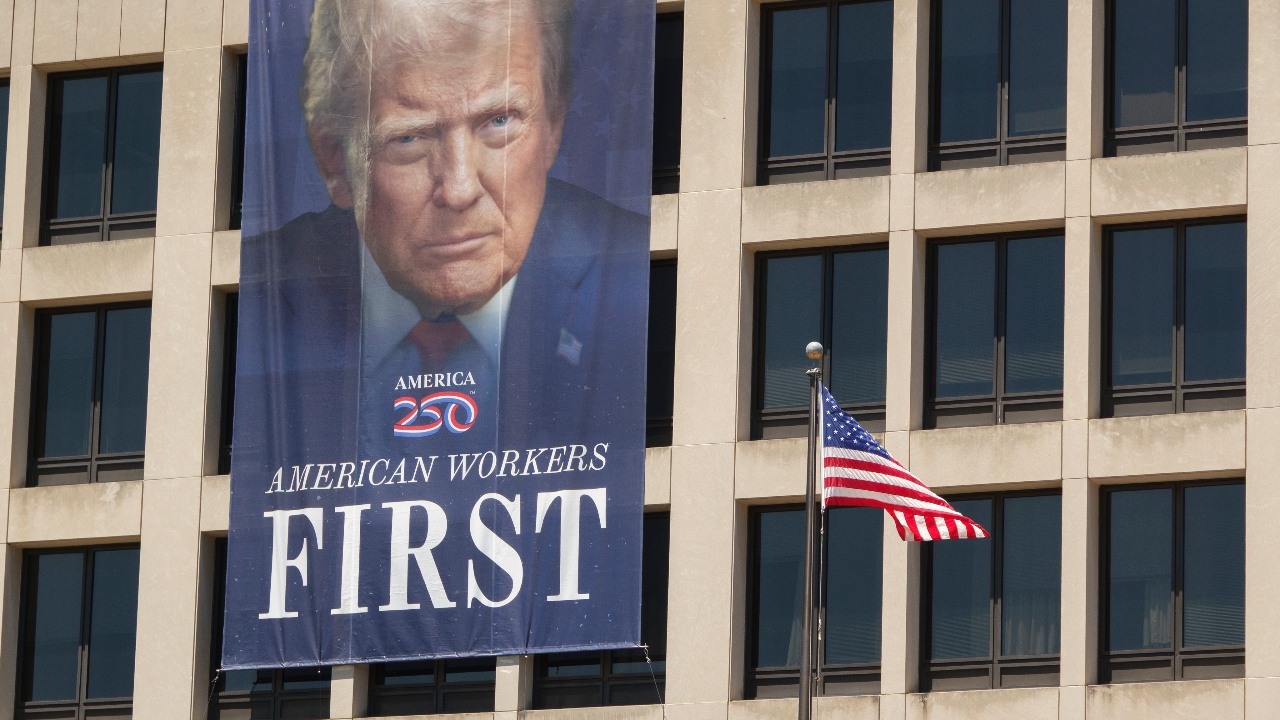
Reports indicate this measure is an effort by the administration under President Donald Trump to reinstate emergency tariff walls after previous tariff measures were nullified by the US Supreme Court in February. This announcement comes ahead of the expiration of a temporary 10% tariff on 24 July.
Following an investigation that began on 12 March 2026, USTR separated the countries into two groups to propose additional tariff rates. Group 1, proposed for a 10% tariff increase, includes 15 economic zones with some measures banning forced labor goods or obligations to enforce such bans through reciprocal trade agreements like USMCA. These include Canada, Ecuador, the European Union, Indonesia, Mexico, Pakistan, Argentina, Bangladesh, Cambodia, El Salvador, Guatemala, Malaysia, Taiwan, and the United Kingdom.
Group 2, proposed for a 12.5% tariff increase, includes 45 economic zones, among them Thailand. This group consists of countries that have failed both to enact prohibitions and to enforce laws effectively, such as Thailand, China, Japan, South Korea, Singapore, Australia, New Zealand, Hong Kong, Norway, Switzerland, Russia, South Africa, Saudi Arabia, the United Arab Emirates, Brazil, and Vietnam.
Additionally, USTR cited four reasons why these countries’ behavior is unreasonable: (1) undermining global goals to eliminate forced labor; (2) enabling companies using forced labor to produce goods at lower prices, distorting market mechanisms; (3) damaging the profitability of companies that do not use forced labor; and (4) contributing to circumvention of existing forced labor import bans.
However, the US will exempt additional tariffs on certain product categories listed in the annex, such as energy products, rare minerals and certain metals, beef, coffee, selected fruits and vegetables, pharmaceutical products, organic chemicals, and aircraft parts.
Furthermore, USTR has proposed a "textile product mechanism" allowing imports of clothing and textiles in specified quantities from certain countries at lower Section 301 tariff rates to mitigate impacts on the domestic industry.
This measure is expected to severely affect supply chains and exports of all 60 economic zones globally, including Thailand. Relevant Thai agencies and export sectors must closely monitor the investigation results and the official announcement expected in July.