

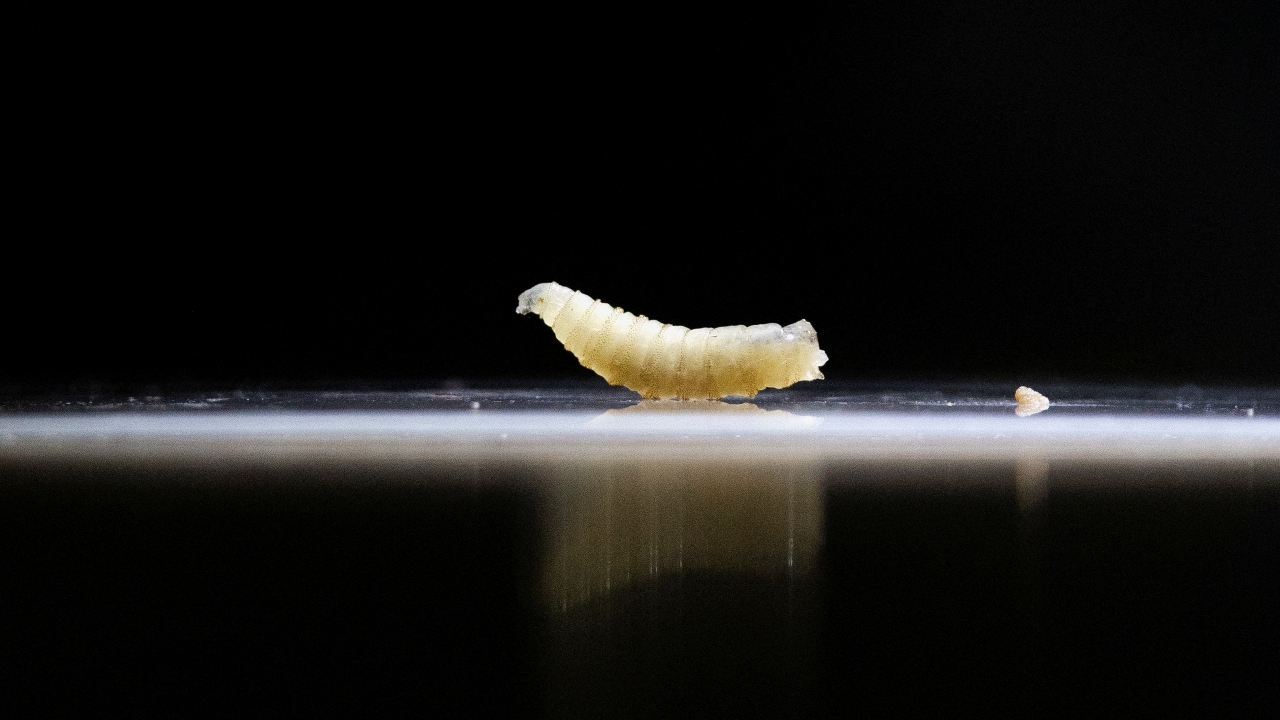
The U.S. Department of Agriculture revealed that it has detected an infection of the "New World Screwworm," a parasitic fly whose larvae can consume living tissue, in a calf in La Pryor, Texas, about 48 kilometers from the U.S.-Mexico border.
USDA Secretary Brook Rollins stated this is the only confirmed case in the country currently and marks the first detection of this livestock parasite in Texas since 1966, or in 60 years, following intense monitoring by authorities and farmers due to outbreaks moving northward in Mexico throughout the past year.
This parasite poses a serious threat to the livestock industry because the female fly lays eggs in open wounds or mucous membranes of warm-blooded animals. When the eggs hatch, hundreds of larvae use hook-like mouthparts to burrow deeply into living tissue, causing severe wounds that can be fatal without treatment.
Although this parasite can infect humans and pets, experts say the risk to people is low and it does not affect the safety of food or meat sold in markets.
This detection has caused significant concern for the U.S. livestock sector, as cattle numbers have already dropped to the lowest level in 75 years, reducing beef supply and pushing prices to historic highs. A widespread outbreak could worsen shortages and cause severe economic damage.
Experts estimate that if the New World Screwworm spreads throughout Texas, the nation's largest beef-producing state, the livestock industry could suffer economic losses up to $1.8 billion from animal deaths, labor costs, and treatment expenses.
Texas Agriculture Commissioner Sid Miller criticized the USDA for delayed preventive measures that allowed the parasite to enter the U.S., while the USDA maintains it has employed the most effective strategies, especially releasing sterilized male flies to disrupt natural reproduction.
After confirming the outbreak, officials ordered a halt to all animal movements within a 20-kilometer radius of the detection site, increased releases of sterile flies, enhanced wildlife surveillance, deployed emergency response teams to the area, and sent medical supplies and treatment drugs to southern Texas.
For over a year, the U.S. has closed its border to livestock imports from Mexico to prevent the parasite’s spread, following ongoing outbreaks moving from Central America into Mexico. Mexican authorities reported over 27,000 confirmed animal infections since November 2024, with more than 2,000 active outbreaks currently ongoing.
Back in the 1960s, outbreaks of the New World Screwworm along the U.S. border caused heavy damage to wildlife and livestock farms before the U.S. successfully eradicated the parasite through a massive sterile male fly release program.
However, the new sterile fly production facility in Texas is not expected to be operational before late 2027, forcing agencies to urgently control the situation to prevent further spread during this period.
News of the parasite’s detection has also impacted agricultural markets, with U.S. live cattle futures prices falling and shares of major meat processors like Tyson Foods and JBS declining amid concerns the outbreak could affect future beef supply and consumer demand.
. Reuters