

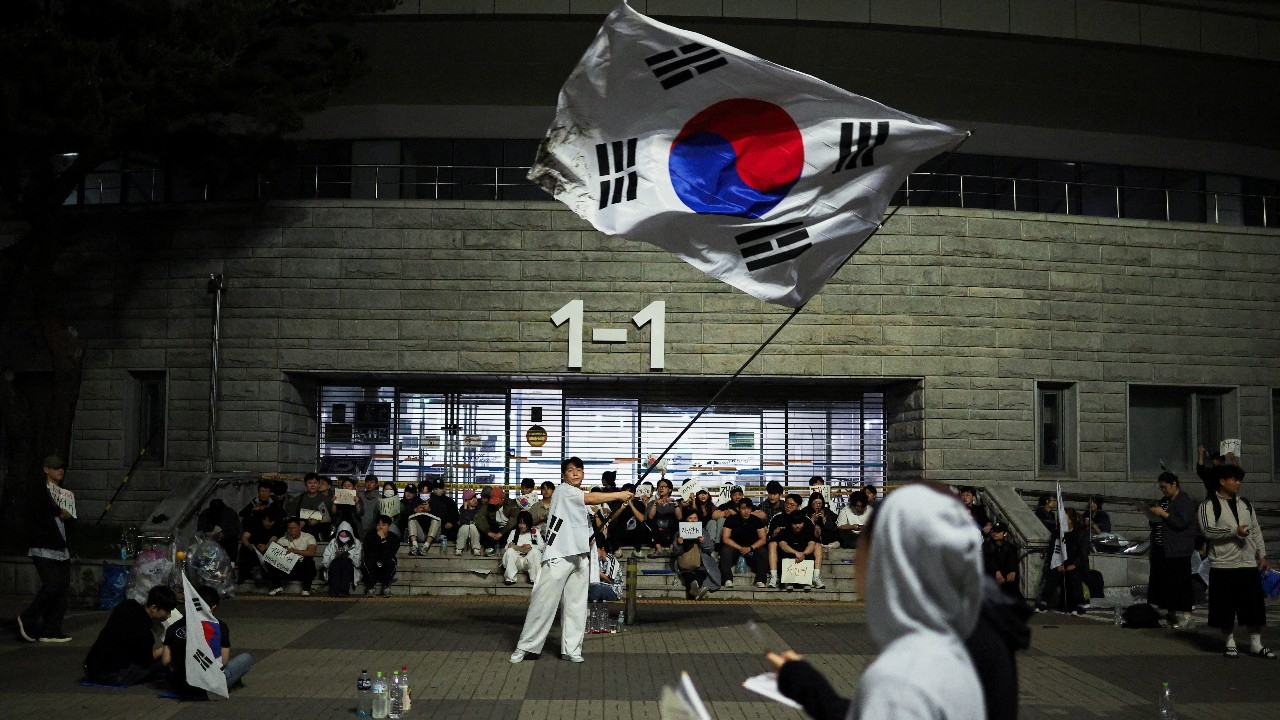
The chairman of South Korea's National Election Commission announced his resignation, taking responsibility for the insufficient ballots in some areas during last Wednesday's local elections, which caused voting disruptions and widespread public discontent.
No Tae-uk, chairman of South Korea's National Election Commission (NEC), declared his resignation to accept responsibility for the shortage of ballots in certain areas during last Wednesday's local elections. He admitted that this error was inexcusable as it harmed the public interest and undermined confidence in the election process.
He also acknowledged that the incident caused public suspicion regarding the transparency of the election system and announced plans to establish an external expert panel to investigate the root causes. He expressed readiness to accept the panel's findings.
The problem occurred when ballots ran out at 50 polling stations nationwide, forcing officials to replenish them. Additionally, 22 polling stations temporarily suspended voting due to delays in delivering equipment.
The chaos caused many voters in affected areas to wait in line for several hours past the official closing time of 6:00 p.m. local time.
One tense incident took place at a polling station in Seoul's Songpa district, where frustrated voters blocked officials from removing ballot boxes after voting ended.
Some protesters remained overnight in the rain until Friday morning, when several hundred police officers intervened to control the situation and escorted officials to remove the final two ballot boxes from the area.
NEC officials explained that one reason was an unexpectedly high number of early voters during the two-day advance voting period the previous week.
Consequently, ballots printed for election day itself accounted for only 50% of the total registered voters, while the total ballots printed across all three voting days amounted to about 73% of eligible voters.
Approximately 63% of eligible voters participated in this election to choose provincial governors, mayors, local officials, and local council members nationwide.
The ballot shortage incident sparked strong criticism, with government officials admitting it represented a failure to protect citizens' fundamental voting rights.
Meanwhile, some right-wing protesters attempted to storm a gymnasium used as the final vote counting center in Songpa district, demanding a complete recount.
Reports indicated some citizens filed complaints with police accusing election officials of neglecting duties and abusing power, while some groups prepared to petition the Constitutional Court, alleging that the errors violated voting rights.
Click to read related news aboutInternational news