

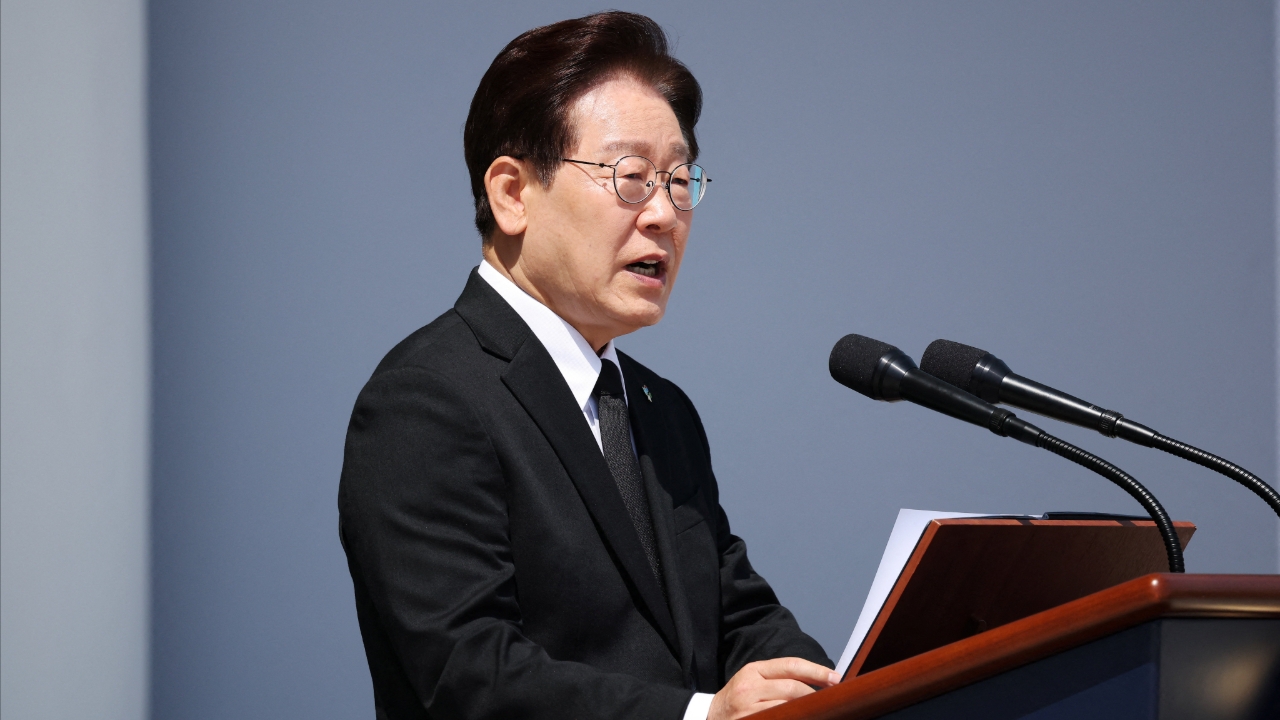
South Korean President Lee Jae-myung has ordered a detailed investigation into the local election ballot shortages in some districts and is preparing to discuss plans to prevent similar incidents from recurring, along with reforms of the Election Commission.
On Sunday, 7 Jun 2026 GMT+7, South Korean President Lee Jae-myung posted a message calling for a thorough and detailed investigation into the ballot shortages that affected the recent local elections. He also said prosecutors and police officers would participate in the investigation process.
“As a citizen and as the president responsible for government administration, I express my deepest regret,” Lee said in a post on the platform X.
Last week’s local elections faced the problem of insufficient ballots, preventing some eligible voters from casting their votes. This incident led the chairperson of the National Election Commission (NEC), an independent body overseeing elections, to resign.
Since then, thousands of people have gathered to protest outside a vote counting center in Seoul, demanding a re-run of the election.
Lee described the incident as “difficult to understand” and said the National Election Commission’s response and explanations lacked sufficient weight. He has asked the National Assembly to investigate the facts, establish measures to prevent recurrence, and discuss reform plans for the Election Commission.
Meanwhile, Jang Dong-hyuk, leader of the conservative opposition People Power Party, held a press conference on Sunday saying he had visited the protest site and called for joint investigations between the opposition and the ruling Democratic Party of Lee.
Jang said the ballot shortage was especially severe in conservative strongholds but stopped short of demanding a new election. He stated he would “accept and follow the will of the people.”
The Democratic Party secured most local election victories; however, the opposition retained the Seoul mayoral seat, with incumbent Oh Se-hoon winning another term.
Regarding the ballot shortage issue, the Election Commission explained that 50 polling stations out of 14,300 experienced ballot depletion, while voting was temporarily halted at 22 stations due to delayed ballot deliveries.
In Seoul, reports of such delays occurred at 12 polling stations in Songpa District, a conservative base, leading to angry crowds protesting and blocking officials from moving ballot boxes to counting centers after polls closed.
. cna