

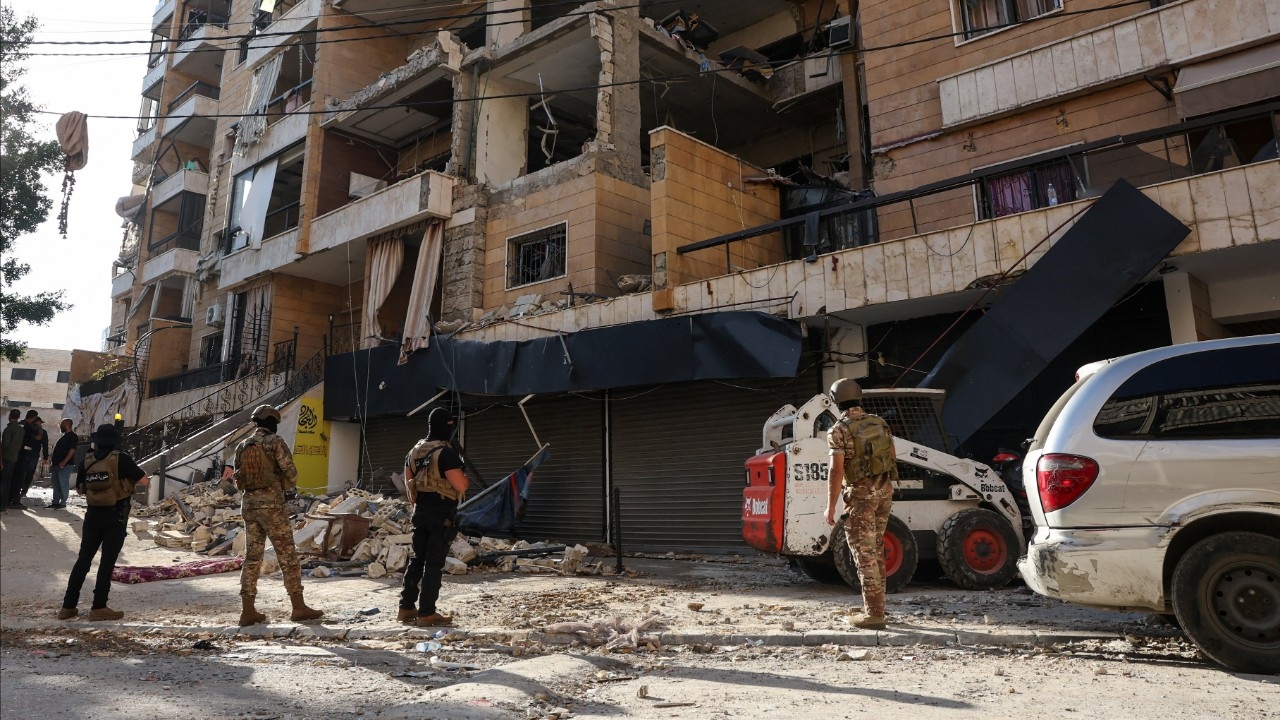
Israel has launched attacks in the southern part of Beirut, Lebanon's capital, just days after a ceasefire agreement in the United States that required Hezbollah to stop its attacks as well.
On 7 June 2026, Israel initiated attacks in the southern area of Beirut for the first time since reaching an agreement with Lebanon in the United States the previous week, pledging not to attack the capital and expecting Hezbollah to cease attacks on Israel.
Lebanon's national news agency reported that two airstrikes hit two apartment buildings in the Dahieh district, a stronghold of the Iran-backed Hezbollah group, resulting in two deaths and at least 17 injuries.
Israeli Prime Minister Benjamin Netanyahu said Israel ordered the attack on "terrorist command centers in Beirut's Dahieh district" in retaliation for Hezbollah's rocket attacks on Israeli territory, while Hezbollah has yet to comment.
Previously, Israel had suspended attacks in Beirut under U.S. pressure, as Washington worried such actions might hinder broader peace efforts with Iran, which has consistently insisted on a complete ceasefire in Lebanon.
The Israeli military's Arabic spokesperson posted on X that "Hezbollah terrorist infrastructure" was targeted and added "stay tuned for the next episode," signaling possible further attacks.
The Israeli military also reported successfully intercepting two missiles fired across the border from Lebanon into Israel; however, Hezbollah has not claimed responsibility for the missile launches.
Ebrahim Rezaei, spokesperson for Iran's Parliamentary National Security and Foreign Policy Commission, vowed a "decisive and harsh" response to Israel's attack on Beirut.
One week before the ceasefire on 3 June, Israel had threatened a major offensive in Dahieh, triggering massive evacuations from the suburb and prompting urgent U.S. diplomatic efforts.
Subsequently, President Trump posted on Truth Social that "no troops will be sent to Beirut," following direct talks with Netanyahu, and the U.S. informed Qatar—acting as a mediator—that it had ordered Israel to withdraw.
However, in an NBC Meet the Press interview on Sunday, Trump said he did not demand Lebanon be part of any peace deal with Iran, separating the issues despite the recent Dahieh attacks risking destabilization of both approaches.
Follow international news:https://www.thairath.co.th/news/foreign
Source:bbc