

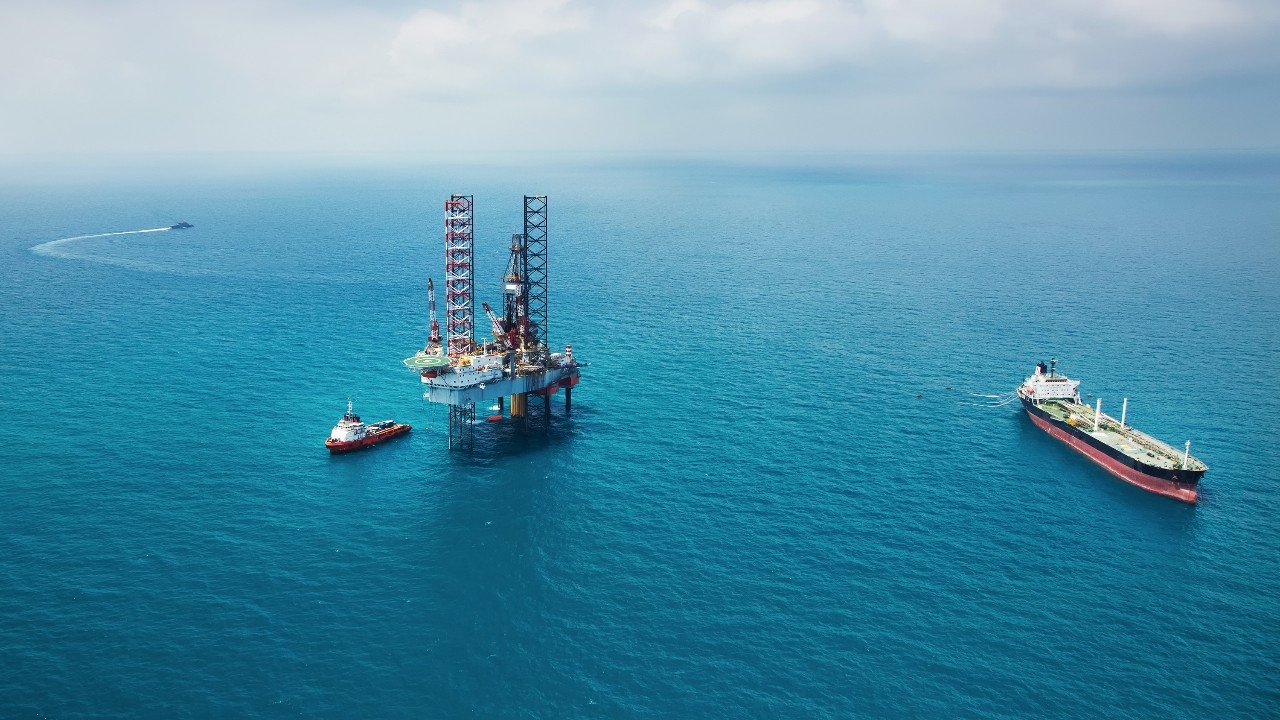
Cambodia is pushing forward a revolution in its energy system by increasing the proportion of clean energy to handle global oil price volatility. The country has revealed its intention to cooperate with Thailand to unlock the potential of the Gulf of Thailand's energy resources, which have been disputed for more than two decades.
Kaew Ratanak, Cambodia's Minister of Mines and Energy, stated that the rapid expansion of renewable energy, especially hydropower and solar energy, will help Cambodia reduce the impact of the global energy price crisis and maintain stability in domestic electricity prices.
Currently, clean energy accounts for nearly two-thirds of Cambodia’s total installed electricity generation capacity, enabling the country to stabilize electricity prices despite global oil and natural gas markets facing volatility due to conflicts in the Middle East.
The Cambodian minister noted that prices of diesel, gasoline, and liquefied petroleum gas (LPG) have risen due to uncertainties in global energy transportation, particularly from tensions around the Strait of Hormuz, a critical route for oil and gas exports.
However, he confirmed that Cambodia’s electricity prices remain close to pre-crisis levels because the country’s energy base, supported by dams and solar panels, reduces dependence on fossil fuels.
Cambodia aims to increase the share of green energy to at least 70% of electricity generation capacity by 2030, exceeding ASEAN’s target of 45%.
In addition to domestic clean energy investments, Cambodia is promoting the ASEAN Power Grid project to enable regional electricity exchange among countries, reducing risks from future energy crises.
The Cambodian Energy Minister also referenced Thailand, acknowledging that oil and natural gas remain important during the energy transition, especially resources in the Gulf of Thailand, where Thailand and Cambodia have a maritime border dispute.
The disputed area is estimated to contain energy resources worth about 300 billion US dollars, including roughly 311 billion cubic meters of natural gas, but full development has been hindered by the ongoing conflict between the two countries.
In the past, Thailand and Cambodia reached agreements to discuss solutions for the maritime boundary dispute and joint resource development, but progress has been limited.
Recently, Cambodia stated it is using the mediation process under the United Nations Convention on the Law of the Sea (UNCLOS) to seek a peaceful resolution.
Kaew Ratanak said that if both countries can reach an agreement on the area, it will not only benefit Thailand and Cambodia but also enhance energy security for the ASEAN region as a whole.
Click to read related newsInternational news