

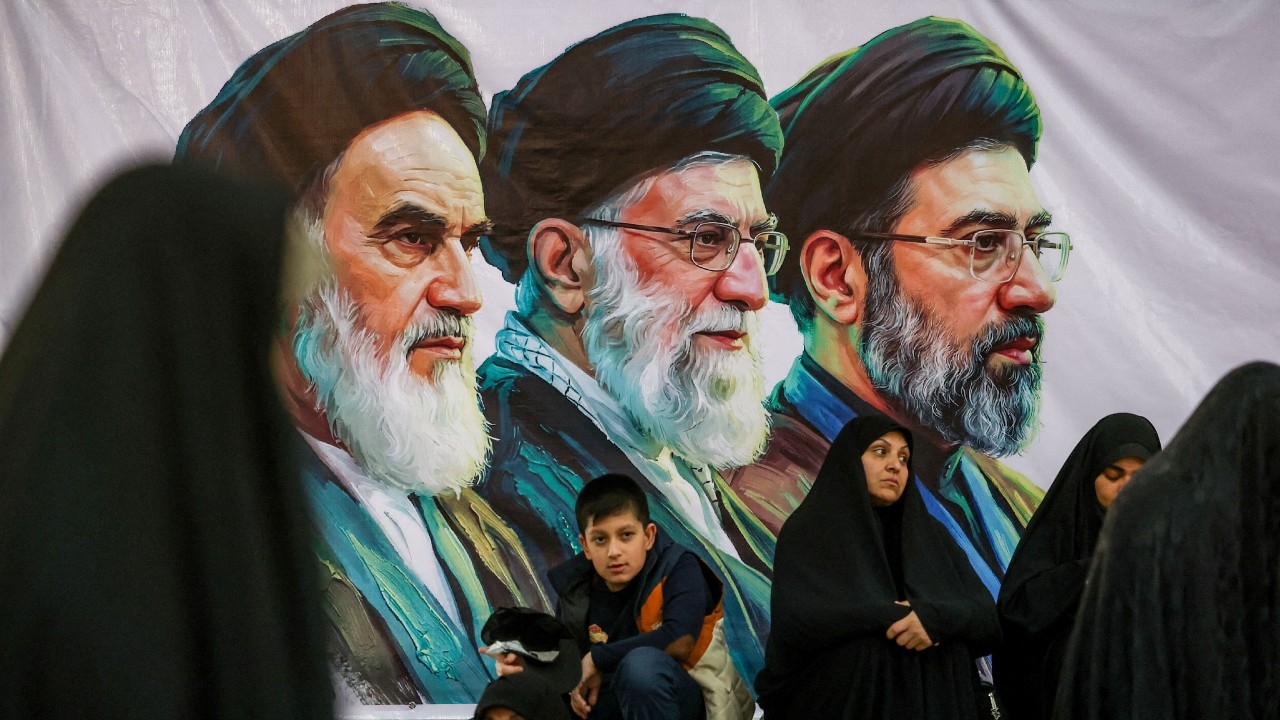
Iranian state media announced the funeral schedule for former Supreme Leader Ayatollah Ali Khamenei, who died in a joint airstrike by the U.S. and Israel. The ceremony will begin in Tehran on 4 July before proceeding to the holy city of Mashhad for burial on 9 July.
Iranian government media reported that the official funeral for the late Supreme Leader Ayatollah Ali Khamenei will commence in Tehran on 4 July and conclude with burial in Mashhad, the sacred city in the northeast and his birthplace, on 9 July.
Under Islamic law, the deceased must be buried as soon as possible, typically within 24 hours; however, exceptions apply during wartime. The burial, originally scheduled for March, was postponed due to the intensifying and prolonged conflict between Iran, the U.S., and Israel. Reports indicate a three-day prayer ceremony in Tehran before the burial, with another significant ceremony planned for Qom, a sacred city in the south, on 7 July.
Ayatollah Ali Khamenei, aged 86, died on 28 February in a joint airstrike by Israel and the U.S. that destroyed a central Tehran compound. He served as Iran's Supreme Leader for 36 years and played a key role in building Iran’s military power and expanding influence through proxies in the Middle East, such as Hezbollah in Lebanon, while maintaining a staunchly anti-U.S. stance.
Following the death of his 56-year-old son Mojtaba Khamenei, who was injured and lost his wife in the same attack, Mojtaba succeeded his father as Supreme Leader but has remained largely out of public view since the outbreak of war. However, U.S. Secretary of State Marco Rubio stated earlier this month that Mojtaba has taken a more proactive role in advancing international negotiations after a ceasefire agreement was announced on 8 April.
As the funeral preparations were announced, signs of conflict resolution emerged. U.S. President Donald Trump posted on Truth Social that "a ceasefire agreement between the U.S. and Iran is scheduled to be signed this Sunday (14 June), and immediately after signing, the Strait of Hormuz will be reopened for all vessels." Trump also mentioned that once calm is restored, the U.S. will move to dismantle Iran’s enhanced uranium stockpile at an appropriate time.
This aligns with statements from Pakistani Prime Minister Shehbaz Sharif, acting as a key mediator, who said both sides have reached a peace agreement framework after over three months of war. Pakistan is preparing for an "electronic signing" expected within 24 hours, followed by technical-level talks next week.
Iranian Foreign Minister Abbas Araghchi acknowledged that the agreement is near completion, covering the end of conflict between Israel and Hezbollah in Lebanon and lifting the U.S. blockade of Iranian ports. However, the "Iranian nuclear program" will be negotiated separately later, consistent with U.S. statements that Iran’s economic benefits depend on compliance with obligations.
Nonetheless, Iranian Foreign Ministry spokesman Esmail Baghai expressed a cautious stance regarding Trump’s timeline, stating that clarity on the exact signing date of the memorandum of understanding is still awaited and "it may not be tomorrow." Trump concluded with a warning that if the agreement is not smooth or promptly finalized, the U.S. has "decisive alternatives" ready.