

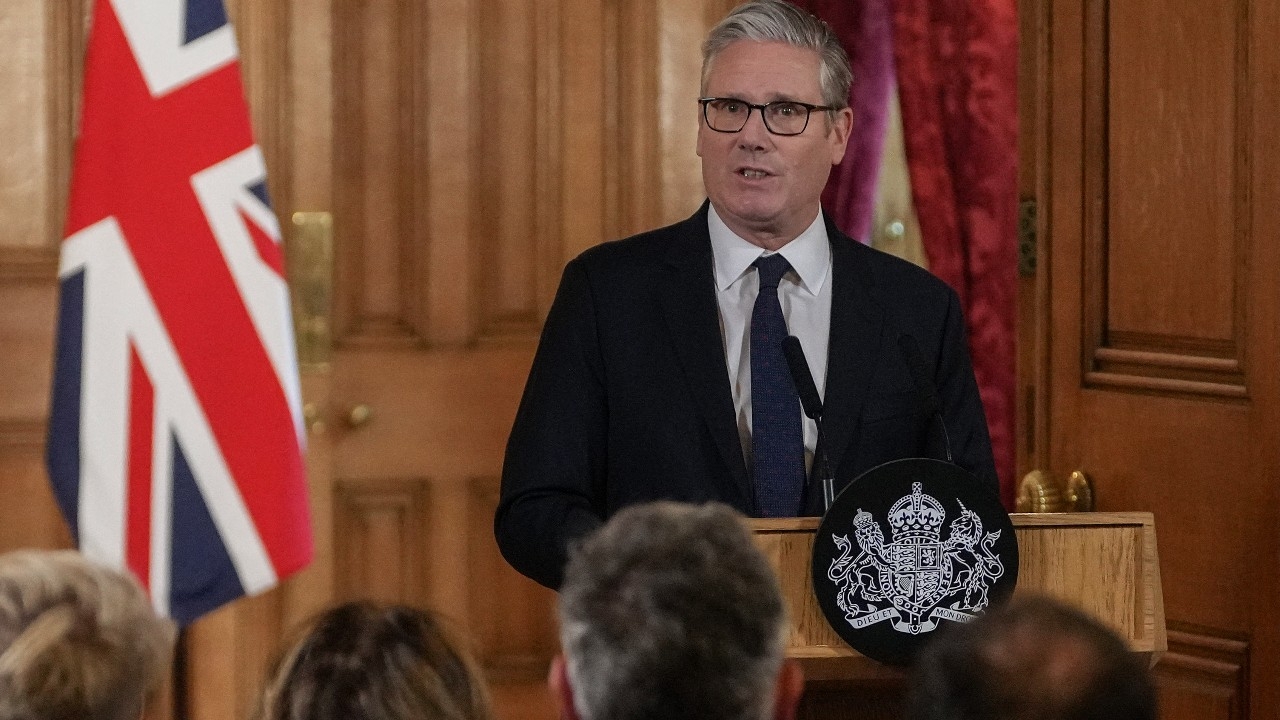
The British Prime Minister has announced major new measures to ban children under 16 from using popular social media platforms such as TikTok, Instagram, Facebook, YouTube, X, and Snapchat. The regulations will also extend oversight to online gaming platforms and live streaming services to enhance digital safety and reduce negative mental health impacts on children. The rules are expected to come into force officially in spring 2027.
UK Prime Minister Keir Starmer stated that a complete ban is the best option to protect young people and will change family conversations and children's expectations over time. He said the measures will help children be safer, happier, have more time, security, and freedom to grow.
The new law will cover major platforms including TikTok, Instagram, Facebook, YouTube, Snapchat, and X, but will exclude private messaging services like WhatsApp. Additionally, the government plans to prohibit or limit use of online gaming and live streaming platforms that allow strangers or unknown adults to chat and play games with children.
The UK Prime Minister emphasized, "Offline, would you ever let your child match with a stranger? An adult you know nothing about? The answer is no. Therefore, we must address this issue online as well."
UK authorities said the government has the power to initiate the first steps of the ban, expecting the regulations to be approved by late December this year and officially enforced in spring, around March to May next year. Furthermore, in July, the government will announce further details about considering an "online curfew" at night and disabling infinite scroll features for youths under 18.
The UK leader's decision follows concerns from parents about the mental health risks associated with excessive online time, as well as consideration of Australia's model, which in December last year became the first country to ban social media for children under 16.
The UK government also sought feedback from teachers, parents, and young people, receiving an overwhelming response from over 116,000 participants. The results showed 83% of parents believe the risks of social media outweigh the benefits, and 90 to 91% support setting the minimum age for social media access at 16.
However, some psychologists and researchers have expressed differing opinions, stating there is no clear evidence that a ban will effectively limit children's behavior. Meanwhile, a YouTube spokesperson warned that a complete ban might push children toward less secure and more obscure alternative apps.
This move comes just one week after the UK Home Office gave tech giants Apple and Google a three-month ultimatum to implement safety technology to block children in the UK from sending or receiving nude images on smartphones and tablets. If they fail, the government will legislate to mandate the system's activation immediately.
Starmer's Labour government emphasized that tech companies have a "moral responsibility" to protect children from threats of extortion, sexual assault, and blackmail. The law will help block children's access to pornography and make it harder for child sexual predators to reach victims.
This aligns with data from the Internet Watch Foundation, which reported high levels of online child sexual abuse in 2024, with 91% of such content being images or videos created by the children themselves due to grooming or ignorance.
Currently, not only Australia and the UK are addressing this issue. Last week, Canada's Minister of Culture introduced a digital safety bill prohibiting children under 16 from opening social media accounts and requiring AI chatbots to limit harmful content. Indonesia has enforced a law banning children under 16 from using social media since March, with several European governments preparing to announce similar measures.
Source: AFP /Reuters