

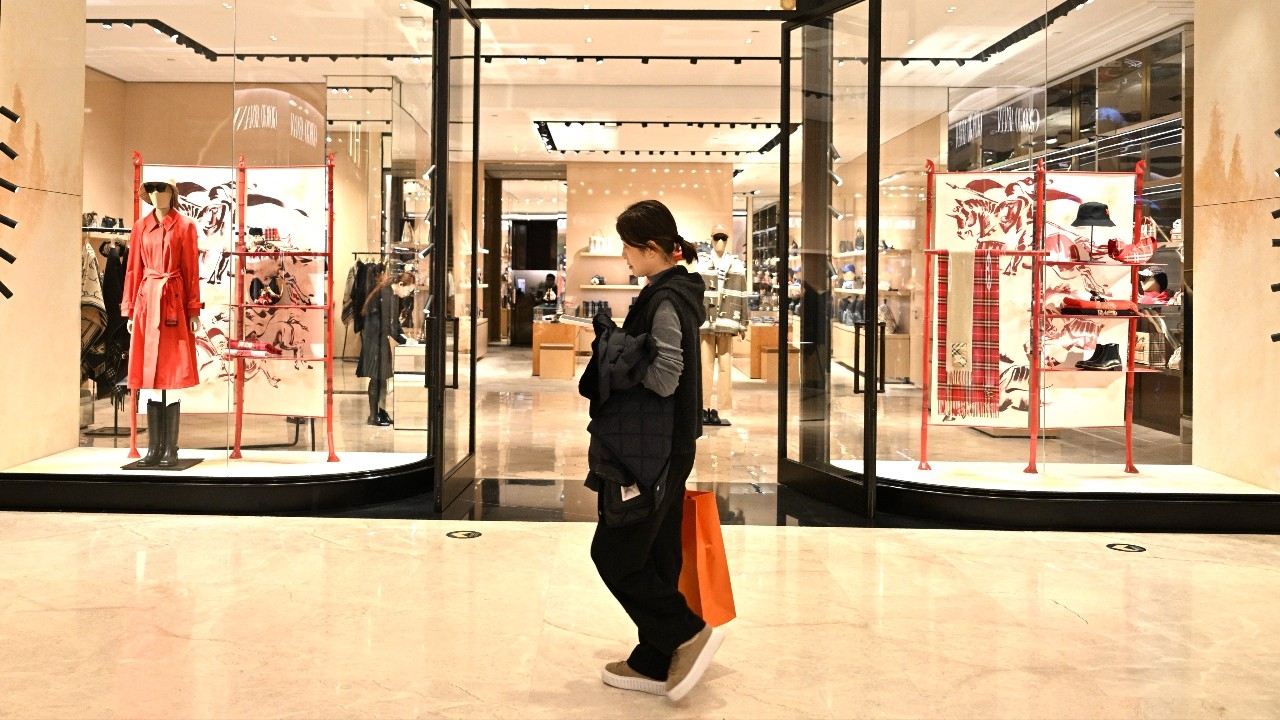
China's retail sales in May declined for the first time since late 2022, while real estate investment sharply contracted, reflecting ongoing weakness in domestic purchasing power despite support from exports and manufacturing.
On 17 June 2026, China's National Bureau of Statistics (NBS) released the latest economic data showing retail sales—a key indicator of consumer spending—fell 0.6% year-on-year in May. This marked the first contraction since December 2022 and was below analysts' expectations of stability. The data indicates domestic spending remains sluggish despite the early May Labor Day holiday boosting tourism and dining. Many consumers remain cautious in their expenditures.
Meanwhile, urban fixed-asset investment, which includes real estate and infrastructure, declined 4.1% in the first five months compared to the same period last year. This contraction exceeded economists' forecast of a 2% decrease and worsened from a 1.6% decline in the first four months.
The real estate sector remains a major weakness for China's economy, with investment in this area plunging 16.2% from January to May. Infrastructure investment grew slightly by 0.6%, while manufacturing investment shrank by 0.4%.
The industrial sector showed positive signs as industrial output in May rose 4.5%, beating analysts’ forecast of 4.3% and rebounding from 4.1% in April, which was the lowest in nearly three years. The nationwide unemployment rate decreased slightly to 5.1% in May from 5.2% in April.
Analysts view China's economy as experiencing an uneven recovery, with manufacturing and exports continuing to grow well, while real estate and domestic consumption remain weak. Despite exports achieving double-digit growth in April and May due to increased demand for technology products, clean energy, and artificial intelligence (AI), ongoing conflicts in the Middle East impacting energy prices and raw material costs pose significant risks to China's economic outlook.