

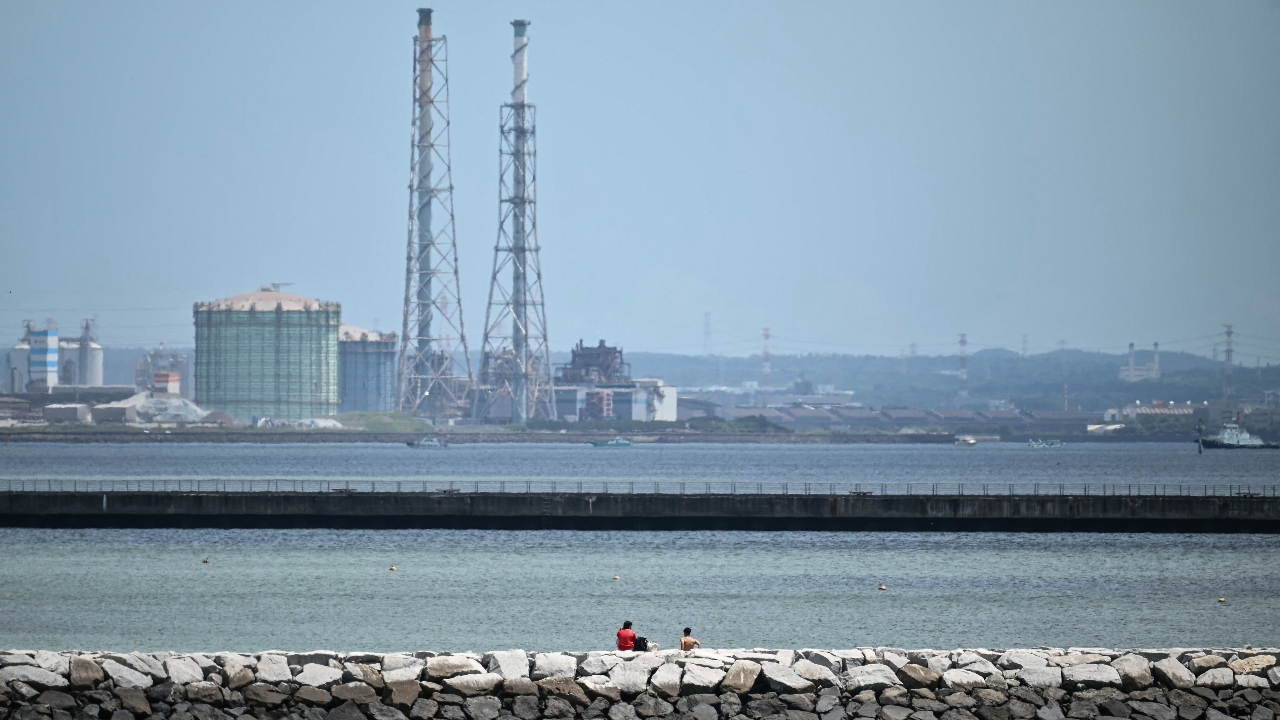
A magnitude 5.5 earthquake struck Ibaraki Prefecture in eastern Japan, with tremors felt in Tokyo. Some Shinkansen lines temporarily suspended service, but no damage was reported at nuclear power plants and there was no tsunami risk.
On 17 June 2026, the Japan Meteorological Agency (JMA) reported a magnitude 5.5 earthquake in southern Ibaraki Prefecture in eastern Japan. The seismic intensity reached lower 5 on Japan's 0-7 scale in southern Gunma and northern Saitama prefectures. JMA confirmed there was no tsunami risk from this earthquake.
Meanwhile, the tremors caused some Shinkansen high-speed train services to temporarily halt for safety inspections. The Hokuriku Shinkansen line between Tokyo and Nagano, and the Joetsu Shinkansen line between Tokyo and Niigata, have resumed normal operations after completing checks.
JMA also reported detecting level 1 "Long-period Ground Motion," the lowest of four levels, in parts of Ibaraki, Gunma, and Saitama prefectures. This type of shaking often causes tall buildings to sway, which occupants can clearly feel, and may cause hanging objects like curtains or lamps to swing violently.
Meanwhile, Japan Railways officials noted a brief power outage on the Tokaido Shinkansen line, but service resumed after safety was confirmed. Japan Airlines (JAL) and All Nippon Airways (ANA) stated that operations at Haneda, Narita, and Fukushima airports were not affected by the earthquake.
Operators of Fukushima Daiichi and Fukushima Daini nuclear plants, Tokai No. 2 nuclear plant in Ibaraki, and Kashiwazaki-Kariwa nuclear plant in Niigata reported no abnormalities inside the facilities, and radiation levels remained within normal limits.
Source: NHK