

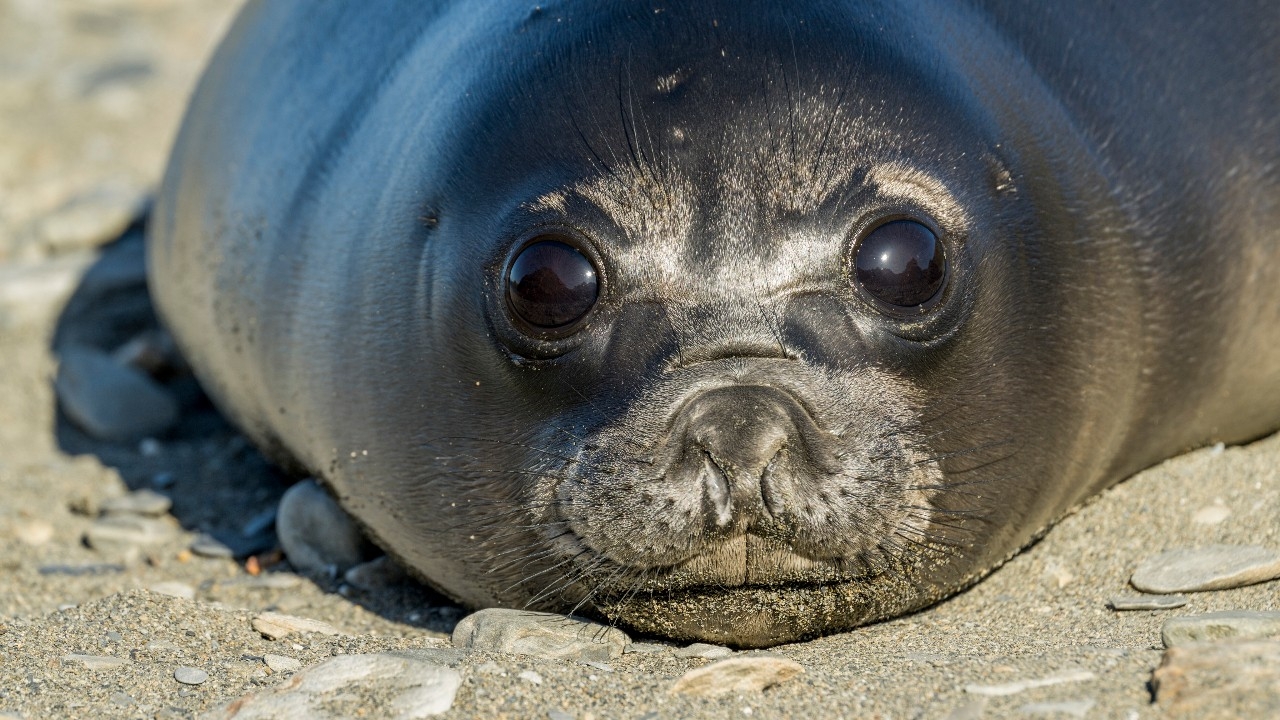
Australian scientists have revealed research findings showing that the dangerous H5N1 avian influenza virus has heavily spread on Heard and McDonald Islands, Australian sub-Antarctic territories, killing more than 13,000 southern elephant seal pups—over 75% of the total pup population.
A team of scientists from the Australian Antarctic Program disclosed recent research indicating that the highly virulent H5N1 avian influenza virus has spread to Heard and McDonald Islands—remote, uninhabited Australian overseas territories located about 4,000 kilometers southwest of the mainland—resulting in massive deaths among southern elephant seal pups.
The report states that the research team first noticed abnormalities during an expedition to the volcanic islands in October 2025, discovering numerous seal pup carcasses scattered across rocky beaches. Subsequent ground surveys and drone data collection continued through January 2026. The assessment estimates that about 13,359 southern elephant seal pups died out of a total population of 17,364, representing a mortality rate exceeding 75%. In some areas or populations, death rates reached as high as 97%. Researchers warn that the actual figure may be higher since pup deaths were ongoing at the survey’s conclusion.
Dr. Julie MacInnes, a wildlife biologist and lead researcher, stated this is the first detection of H5 avian influenza in Australia’s overseas territories, indicating the virus is spreading eastward across the Southern Ocean. Testing of secretions from nine wildlife species on the islands found six species positive, including southern elephant seals, Antarctic fur seals, king penguins, gentoo penguins, and South Georgia diving petrels.
Data indicates that besides the southern elephant seals, several hundred adult king penguins have died. Although this represents a small proportion of their total population, the number is significantly higher than usual mortality rates. However, no abnormal deaths have been observed among albatrosses and two other local species.
Scientists believe the virus reached the islands around August 2025 via migratory birds flying from the Crozet Islands of France, located roughly 1,500 to 1,800 kilometers northwest.
Murray Watt, Australia’s Minister for the Environment, described the southern elephant seal deaths as “heartbreaking and a stark warning.” Australia remains the only continent without any reported H5N1 infections in humans or animals on the mainland, but the overseas territory outbreak shows the country cannot be complacent and must urgently plan to address potential mainland spread.
Heard and McDonald Islands, known for their wild and challenging environment, made global headlines in April 2025 when they were unexpectedly added to an international list for customs duties by U.S. President Donald Trump. Now, they are again in the spotlight due to this environmental crisis. The Australian Antarctic Program has pledged to continue close monitoring and tracking of disease signals.
/BBC/ AFP