

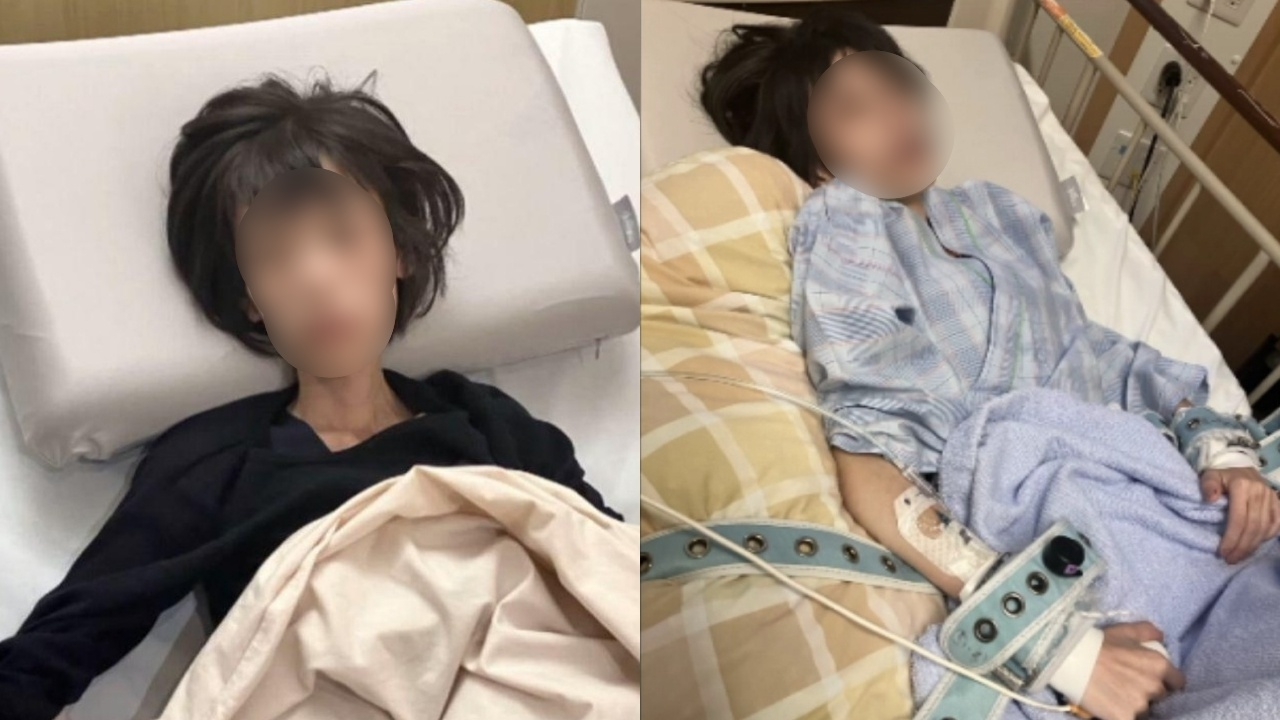
A Japanese mother has filed a lawsuit seeking over 100 million yen in damages from the national government and Hyogo Prefecture after her 16-year-old daughter, who worked caring for disabled individuals, was unfairly arrested despite innocence. Police used psychological intimidation to force a confession during 18 days of detention, causing severe emotional distress. After release, her body rejected food absorption and she rapidly lost weight until she ultimately died. This case has sparked criticism of Japan's "Hostage Justice" system.
Foreign news agencies report on a highly controversial case in Japan where the mother of a 16-year-old girl, pseudonymously called "Runa," has filed a lawsuit at Kobe District Court in western Japan. She seeks 100 million yen (approximately 22 million baht) in damages from the Japanese government and Hyogo Prefecture over the agonizing death of her daughter, one of the most tragic victims of the so-called "Hostage Justice" system in Japan.
The incident began in June 2025 when Runa, a devoted young woman working at a facility for people with severe intellectual disabilities run by her family, was arrested on charges of "assault." A complaint had been made alleging that during a Valentine's Day party, Runa intervened when a care recipient was about to bite another patient. She gently touched the patient's chin to push them away for safety, but this was misinterpreted as abuse.
Runa consistently maintained her innocence. However, under Japan's justice system, suspects who deny accusations are often cruelly detained for prolonged pretrial periods, cut off from family contact. Authorities use detention as leverage to coerce confessions in exchange for release. In Runa’s case, she was held for 18 days.
The plaintiff’s lawyer revealed Runa’s diary written during detention, stained with tears. It detailed intense pressure and verbal intimidation by investigators, including phrases like "You did it, didn’t you? Just tell the truth," "Confessing now will make things much easier," and threats of juvenile detention and never seeing her mother again if she refused to confess. Runa wrote, "I did nothing wrong. Why am I going through this? Please give me back my freedom. I will not give up."
The psychological strain from loss of freedom caused Runa to develop a "psychological disorder from confinement." Her body rejected food, and on the 17th day of detention, she vomited and collapsed unconscious. She was rushed to an outside hospital, diagnosed with severe dehydration, but police immediately returned her to custody. The next day, prosecutors dropped the charges and released her.
Runa’s mother tearfully told a press conference, "I will never forget the day she walked out. She was no longer the daughter I knew. Her body was so thin, only bones showed when I hugged her." After release, despite efforts to eat as doctors advised, Runa was diagnosed with PTSD (post-traumatic stress disorder) and an eating disorder. Her body could not absorb nutrients, and in December she died of critical malnutrition and emaciation, weighing only 20 kilograms at death.
Adding to the tragedy, lawyers noted that during the police’s lax investigation, 35 people attended the event, yet police questioned only one witness — the complainant. After Runa’s death, the witness apologized to the family in March 2026, admitting, "I exaggerated and falsely accused her."
This case has fueled calls for major reform of Japan’s legal system. International human rights organizations have long condemned Japan’s "Hostage Justice" system. Similarly, the historic case of Iwao Hakamada, the world's longest-held death row inmate, was overturned in 2024 after confessions were found to have been extracted through cruel and inhumane interrogation. In Runa’s case, the Kobe District Prosecutor’s Office has declined to comment, citing they have not yet received the formal complaint documents.
/sourceYahoo! JAPAN/ AFP