

Australia has detected the H5N1 strain of avian influenza in poultry for the first time, meaning this virus has now been found on every continent worldwide.
Foreign news agencies reported on 20 Jun 2026 that Australia's Department of Agriculture confirmed the country's first detection of the H5N1 avian influenza virus, indicating that this strain, which spreads easily among poultry, has now been found across all continents.
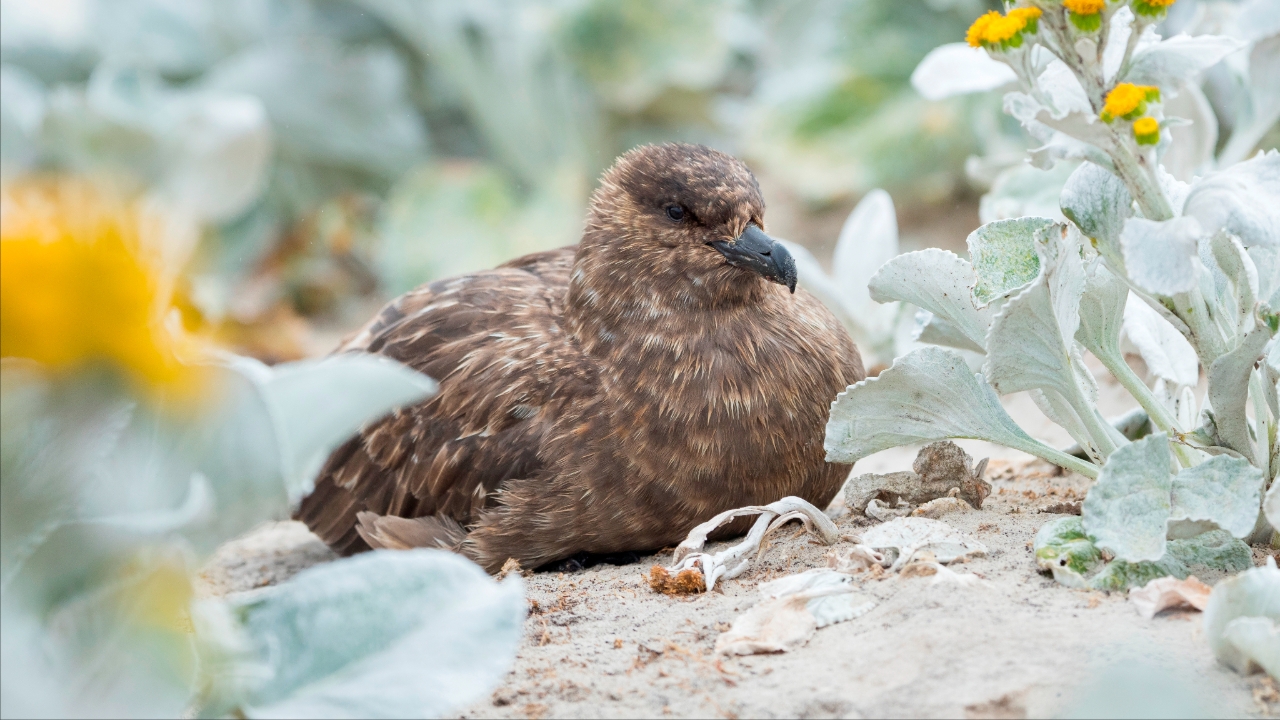
Previously, Australia was the only continent where H5N1 had not been detected. However, Julia Collins, Australia's Minister of Agriculture, announced last Saturday that the virus was found in a migratory seabird species, the brown skua, in a remote area in the country's west.
Local media reported that the infected bird was found on a beach at Cape Le Grand National Park near the town of Esperance, approximately 700 kilometers southeast of Perth.
This strain of avian influenza can spread rapidly among birds and wild bird populations. Cases of human infection linked to this strain remain very rare.
“We all understand that we cannot remain free of avian influenza forever,” Collins said at a press conference, adding that a second suspected case involved a southern petrel found weakened on a beach in Esperance. However, no evidence of mass poultry deaths has yet been found in the area.
Australia's national broadcaster ABC reported comments from Fiona Fraser, Commissioner for Threatened Species, stating that officials will know "within a few days" whether the virus has spread to other animal populations in Australia.
The report also quoted Beth Cookson, Australia's Chief Veterinary Officer, saying the government has "been preparing for this event for a long time," and that the emergency animal disease committee met last Saturday.
Back in October last year, H5N1 was detected in Australia's remote territories of Heard Island and the McDonald Islands, located south of the Indian Ocean.
A study published this week estimated that since August last year, about 13,000 of the 17,000 seal pups on Heard Island have died from H5N1 avian influenza, representing over 75% of the seal pup population. Researchers also noted higher than usual mortality rates among penguin populations.
Scientists believe the virus spread to these islands in August last year via migratory birds traveling from the Crozet Islands of France, which lie about 1,800 kilometers away.
Follow international news:https://www.thairath.co.th/news/foreign
Source:bbc