

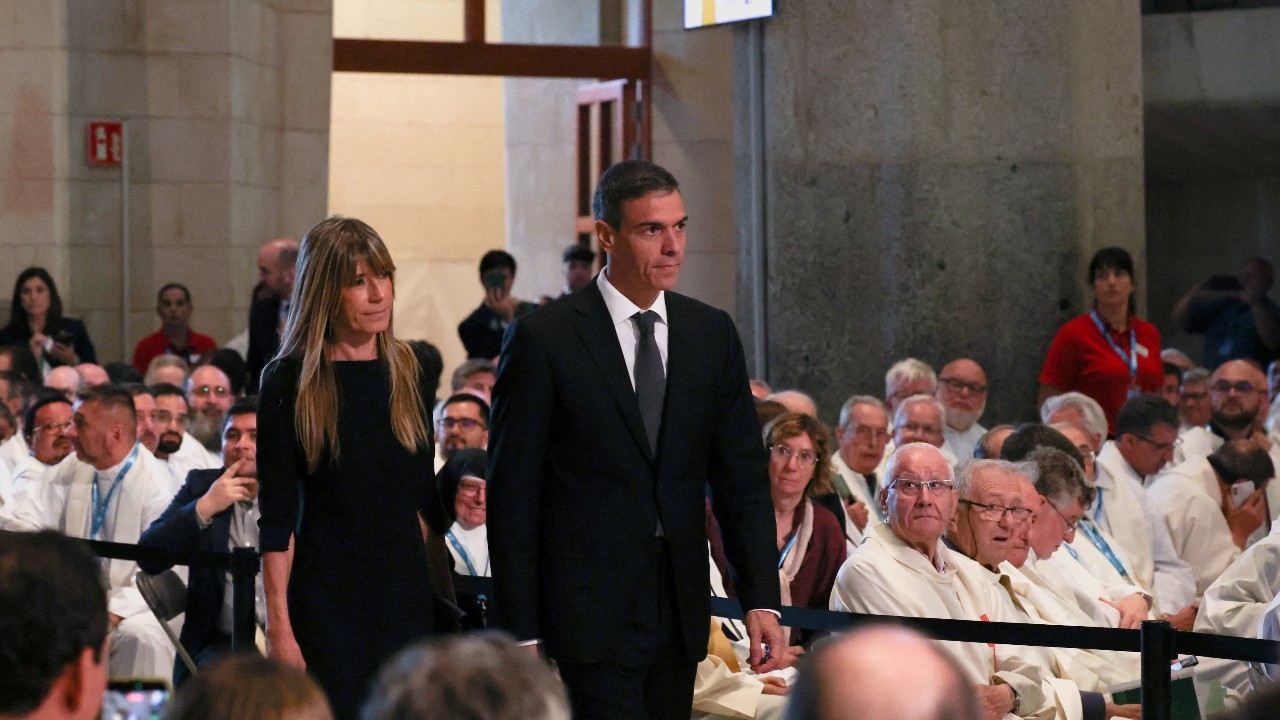
A Spanish court has ordered Begoña Gómez, wife of Prime Minister Pedro Sánchez, to appear in court on charges of corruption and improper influence, while also confiscating her passport, banning her from leaving the country, and imposing reporting conditions to the court every two weeks.
The Spanish judge has mandated that Begoña Gómez, spouse of Prime Minister Pedro Sánchez, undergo legal proceedings on allegations of abuse of influence and corruption. The court has imposed preventive measures including surrendering her passport, prohibition from traveling abroad, and mandatory court check-ins every two weeks.
Investigating judge Juan Carlos Peñado stated that Gómez presents "a risk of fleeing the country," leading to an order to confiscate and surrender her passport to the court. She is strictly banned from leaving Spain and must report to the court biweekly. However, the court has yet to set an official trial date. The case has immediately shaken Spanish politics, prompting opposition calls for Prime Minister Sánchez and his Socialist government to resign.
Meanwhile, the newspaper El País reported, citing sources close to Gómez, that she is preparing to appeal against the imposed conditions and preventive measures, especially the passport confiscation.
The investigation lasted two years, during which Gómez was accused of leveraging her status as "wife of the Prime Minister" to influence and secure government contracts and concessions for technology companies. Additionally, the judge has charged her with misappropriation of public funds related to consultancy contracts and the improper concealment or use of software during her tenure as a professor at a public university.
Not only Gómez but also a group of businessmen alleged to have benefited from government contracts and representatives of consultancy firms collaborating with Gómez will be summoned to court as co-defendants.
Gómez has consistently denied all accusations. Prime Minister Pedro Sánchez, leading a left-wing government since 2018, defended his wife and condemned the case as part of a "smear campaign" orchestrated by political opponents—conservative and far-right factions—aiming to use the justice system to topple his government. The case originated from a complaint filed by "Manos Limpias" (Clean Hands), a pressure group linked to far-right ideologies in Spain.
The Socialist Party, currently in government, vehemently condemned the court's decision via the platform X, stating, "Begoña Gómez is innocent. Over the past two years, she has been unfairly targeted by political witch hunts and the justice system. Today’s developments mark an escalation of violence that is a disgrace to democracy."
Prime Minister Sánchez faces multiple crises ahead of next year’s general election. Though he is not personally charged, close associates and political allies—including a former transport minister—are under investigation for bribery linked to infrastructure projects, oil and gas contracts, and procurement of face masks during the COVID-19 pandemic.
In the same week, Spain's Supreme Court is investigating former Socialist Prime Minister José Luis Rodríguez Zapatero over allegations of leading a lobbying network that benefited third parties, including budget support for the airline "Plus Ultra." Police also found numerous expensive luxury items in his office during a raid, though he continues to deny the allegations.
The main conservative opposition party, the People's Party, immediately attacked the government. Party Secretary Miguel Tejada said the current administration is dismantling the country's system of checks and balances.
"Our lawmakers and constitution framers never imagined that the greatest threat to democracy would come from the Spanish government itself. We now see the government attacking judges, prosecutors, and the press simply to silence the opposition. This is unacceptable in a modern democracy," Tejada said, urging Prime Minister Sánchez to dissolve parliament and call early elections so the people can decide the country's future.