

The UN Special Envoy revealed that Myanmar's political, humanitarian, and security crises are worsening, contradicting claims by the military government, while calling for the release of Aung San Suu Kyi. Meanwhile, the European Union pointed out that the election was illegitimate.
On 23 June 2026, Julie Bishop, the United Nations Special Envoy on Myanmar, addressed the UN General Assembly, stating that the situation in Myanmar continues to deteriorate politically, humanitarianly, and in terms of security, despite the military government's claims that the country has become more stable following the election.
Bishop noted that the image presented by the government in Naypyidaw differs from the reality on the ground, where people still face airstrikes and are cut off from basic services. She emphasized that the UN did not support or send election observers, while multiple reports indicated low voter turnout, opposition exclusion, and voting occurring amid conflict.
She also warned that Myanmar is becoming a hub for cybercrime and transnational human trafficking networks, with over 3.7 million internally displaced persons, 1.6 million refugees, and ranking among the top six countries facing the world's most severe hunger crises.
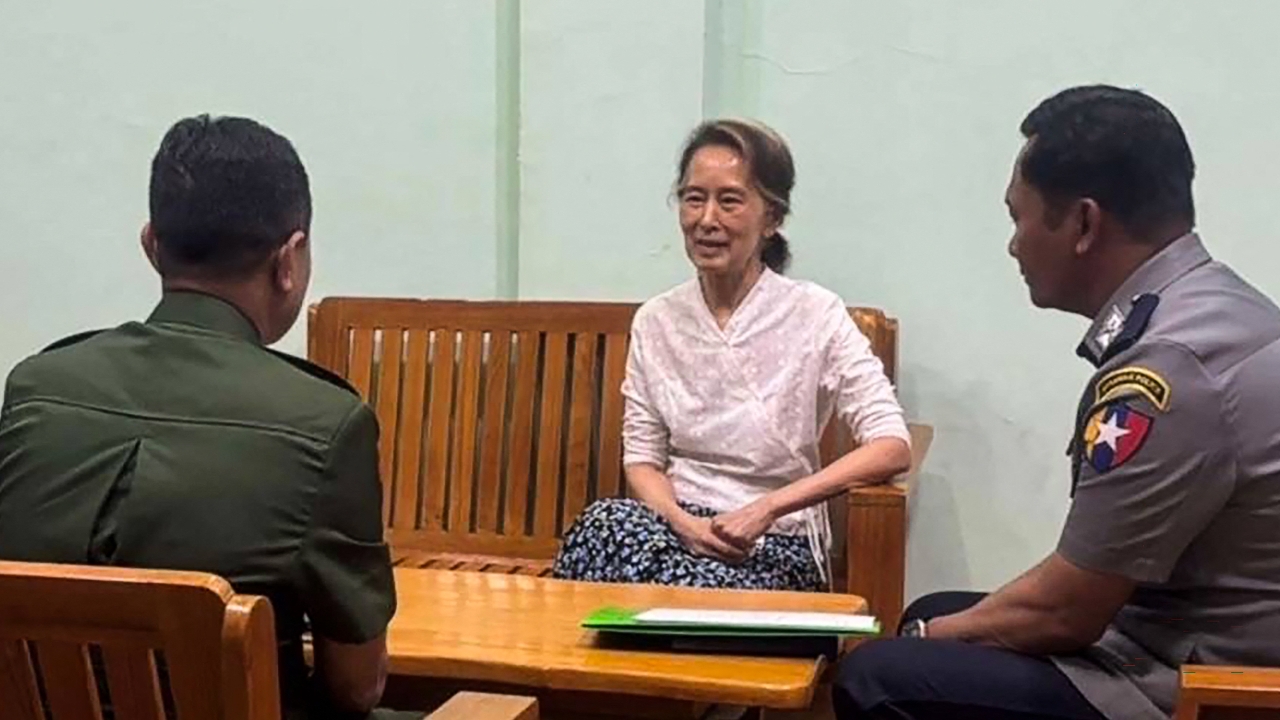
Bishop added that 2025 is the deadliest year for children in Myanmar since the military coup in 2021. She called for the release of Aung San Suu Kyi, who has just turned 81, stating, "Peace cannot be achieved as long as she remains detained."
The European Union supported the UN's assessment, stating that the military-organized election was neither free, fair, nor legitimate. It called on the international community to impose arms embargoes on Myanmar and to push for perpetrators to be brought to international justice, paving the way for lasting peace and reconciliation.