

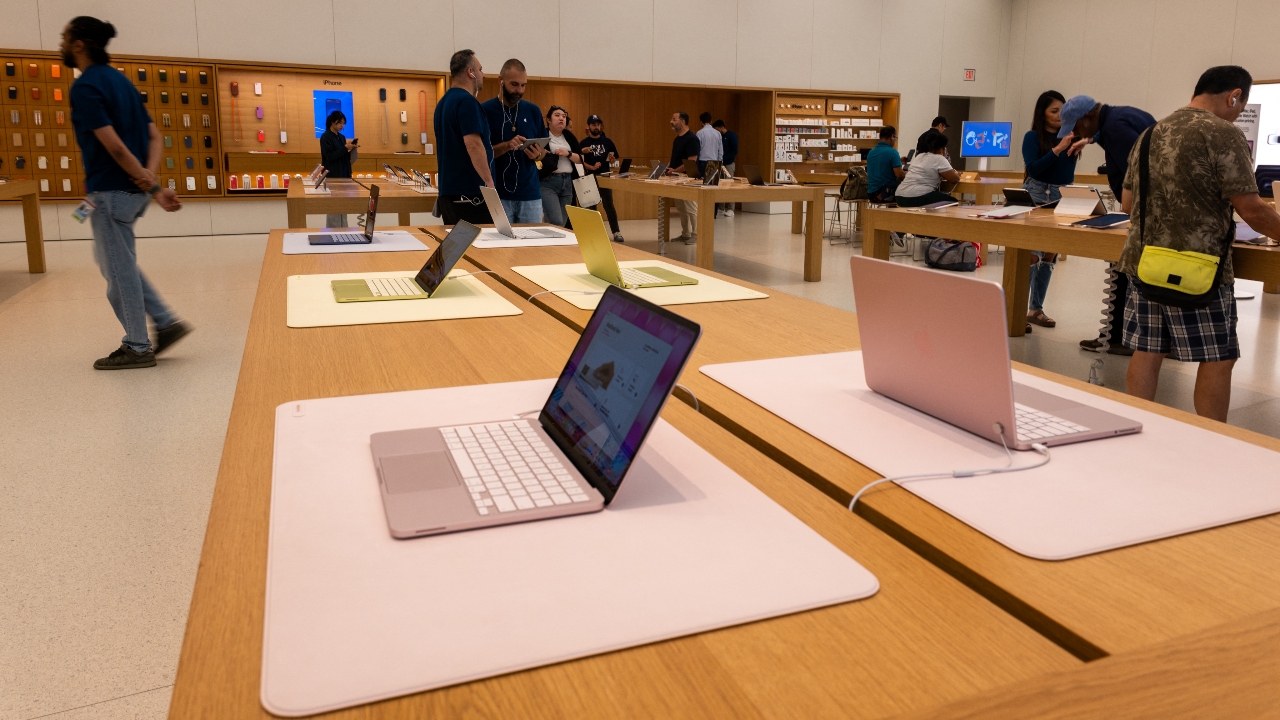
Apple, the global technology giant, announced price increases for its MacBook computers, iPad tablets, as well as entertainment devices like Apple TV and the HomePod smart speaker on 25 June. The company cited its inability to absorb the sharply rising costs of memory chips, a consequence of the massive expansion of data centers in the artificial intelligence (AI) industry.
Although this price adjustment does not yet affect the iPhone, Apple’s current main revenue generator, it clearly impacts other popular products listed on Apple’s U.S. main website. Prices have increased by $30 to $300, with the 14-inch MacBook Pro (1 TB capacity) rising from $1,699 to $1,999.
The MacBook Air (512 GB capacity) price increased from $1,099 to $1,299. Meanwhile, the recently launched MacBook Neo budget notebook, introduced in March to compete with Windows and Chromebooks, saw its starting price rise from $599 to $699, losing its previous price advantage against competitors like the Dell XPS 13.
The iPad Air (128 GB capacity) price rose from $599 to $749, and the Apple TV jumped from $130 to $200.
According to market research firm TrendForce, the price of dynamic random-access memory (DRAM), used in almost all IT devices, soared by 98% in the first quarter of 2026, with an expected further increase of 58% to 63% this quarter. Major memory chip manufacturers like Micron have shifted focus to fulfilling long-term orders from large AI chip developers such as Nvidia, who are building data centers. Micron recently disclosed $22 billion in long-term pre-orders.
Apple stated bluntly, "We have never before seen component prices rise this high and this fast. We have tried to shield consumers from these rising costs, but we have now reached a point where we can no longer absorb them, and price increases are necessary."
This aligns with warnings from Tim Cook, the outgoing CEO, who told The Wall Street Journal that the price hikes are 'inevitable.' He compared the current memory chip cost crisis to a 'once-in-a-century flood,' with supply shortages and chip manufacturers passing huge cost burdens to device makers.
News of the price increases and potential profit declines caused Apple’s shares to drop over 4.7% in morning trading, while key competitor Dell’s shares fell more than 8%. However, analysts from Creative Strategies suggest other brands may face even steeper price hikes, as Apple’s strong supply chain relationships and bargaining power help mitigate some impacts.
Additionally, Nabila Popal, senior research director at IDC, stated that this price increase is only the beginning and believes that new iPhone models will not be spared. "The iPhone is not exempt. Price increases are coming. Apple has smartly chosen to raise prices on other products first, so the higher costs do not overshadow the excitement and new features expected at the iPhone launch this fall."
The chip cost crisis is expected to severely impact global electronics sales. IDC forecasts the smartphone market will experience its steepest annual decline ever at 14% this year, while the PC market will drop by 11.3%.
This price surge and AI-related cost crisis will be the first major challenge for John Ternus, who will become Apple’s new CEO on 1 September, just days before the new iPhone launch.