

Mexico and the United States have opened a sterile fly production facility valued at over $50-61 million in Chiapas state, aiming to halt the reproductive cycle of the "beef borer fly" after more than 30,000 infected animals were found in Mexico, with the outbreak spreading to Texas and severely impacting the cross-border livestock market. The factory is prepared to produce up to 100 million sterile flies per week.
Mexican President Claudia Sheinbaum and U.S. Agriculture Secretary Brooke Rollins jointly officiated the opening ceremony of the sterile fly production factory in Metapa de Domínguez, Chiapas state, in southern Mexico.
This factory is a joint venture project between the U.S. and Mexico, investing over $50-61 million (approximately 1.7-2.1 billion baht), constructed in less than a year. It produces sterilized beef borer flies which, at full capacity, can release up to 100 million sterile flies weekly to mate with wild flies in nature, thereby breaking their reproductive cycle.
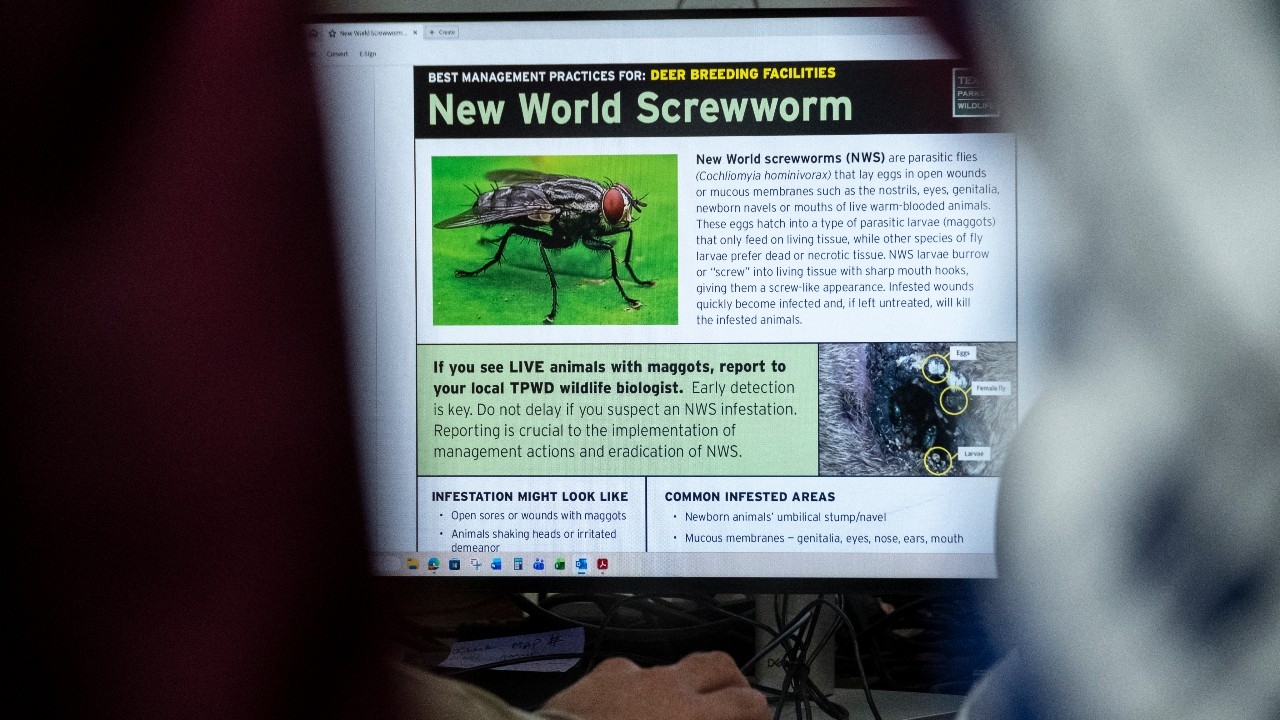
The "beef borer fly" is a dangerous parasite that lays eggs in open wounds or mucous membranes of warm-blooded animals. The eggs hatch into larvae that burrow and feed on flesh, potentially fatal if untreated and capable of rapid spread.
Although the Panama-U.S. cooperative agency for beef borer fly control issued warnings since 2023 about the parasite spreading northward, control efforts have been difficult. Mexico detected the first infected animal in Chiapas in November 2024, with over 30,000 infected animals currently reported in Mexico.
The situation worsened as the parasite crossed into the U.S., with confirmed infected animals in Texas in early June, raising major concerns for the U.S. livestock industry, which had eradicated the parasite by 1966 and previously contained a brief outbreak among deer in Florida in 2016 using the same sterile fly release technique.
"Our country defeated it 40-50 years ago, and we will overcome the beef borer fly again faster than anyone expects through the excellent work to be done at this factory," said the U.S. Agriculture Secretary.
Due to the outbreak, the U.S. has suspended live cattle imports from Mexico since 2025 for safety, disrupting supply chains because Mexico previously exported over one million live cattle annually to feedlots in Texas, causing shortages in U.S. farms and record-low cattle inventories.
However, the crisis has reshaped Mexico's internal industry, with Mexican farmers who once exported cattle northward now investing in domestic feedlots and slaughterhouses, leading to a significant increase in Mexico's exports of processed beef to the U.S. in 2026.
"Animal diseases, pests, and food safety challenges know no borders," said Mexican President Sheinbaum. "Facing these challenges, the best response is cooperation, sharing experiences, and finding solutions together."
The new sterile fly factory in Mexico will double the number of sterile flies in circulation, supplementing the existing COPEG factory in Panama, which operates at full capacity producing 100 million sterile flies weekly. The latest sterile flies have been released near the U.S.-Mexico border close to Texas to urgently contain the outbreak, while the U.S. is also accelerating construction of its own sterile fly production factory in Texas.
/REUTERS/ AFP