

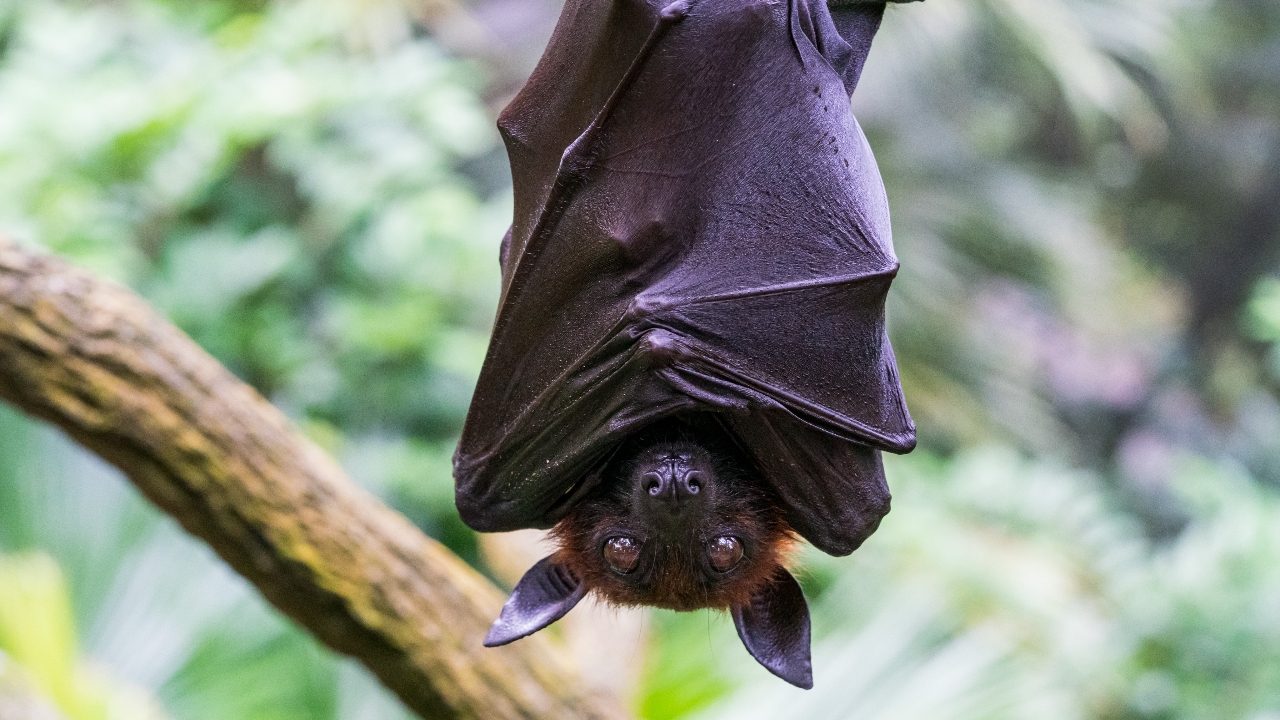
An 11-year-old Canadian boy died from rabies after a bat touched his nose and mouth while he was asleep. His family was unaware of the infection risk and therefore did not urgently seek preventive treatment.
The Canadian Medical Association Journal published a heartbreaking case report about an 11-year-old Canadian boy who died from rabies after a bat came into contact with his nose and mouth during sleep. The family did not consider it dangerous because there were no bites or wounds, so they did not immediately seek preventive medical care.
The incident occurred while the boy was vacationing with his family at a cottage in Ontario, Canada, in 2024. The report states that the boy woke up startled to find a bat clinging to his nose and mouth. He brushed the bat off his face, and his father caught the bat in a container and released it back into the wild.
However, the parents did not take their son to a doctor immediately because they found no bite marks or wounds and observed that the bat showed no unusual behavior. After 19 days, the boy began to experience facial numbness and swelling, prompting the family to take him to the emergency room.
Initially, doctors suspected Bell's palsy, a temporary facial nerve paralysis, and prescribed antiviral medication typically used for herpes infections.
The boy was hospitalized two more times, with preliminary diagnoses suggesting a viral infection in the mouth and gums. However, the next day his condition rapidly deteriorated as the right side of his face weakened.
While awaiting further treatment, the boy developed a high fever of 39 degrees Celsius, difficulty swallowing, confusion, and hallucinations. His condition worsened rapidly, requiring mechanical ventilation and admission to a pediatric intensive care unit.
Doctors at the University of Manitoba began to suspect rabies infection, which was confirmed by test results a few days later.
Meanwhile, the Canadian Food Inspection Agency identified the virus strain as the bat variant of rabies.
Ultimately, the boy died after 17 days of hospital care. He had no prior allergy history, no tick bites, no known contact with infected persons, and no recent international travel.
The report states that human rabies is very rare in Canada, with only 28 deaths since 1924, thanks to ongoing vaccination programs.
However, doctors emphasize that any direct contact with bats, whether or not bite marks are visible, is an indication for immediate rabies vaccination and immunoglobulin treatment.
Experts warn that rabies virus can enter the body through extremely small wounds invisible to the naked eye. Once symptoms such as numbness, difficulty swallowing, fever, confusion, or neurological signs appear, the disease is almost 100% fatal and there is no effective treatment.
. . .BBC
Click to read more aboutInternational News