

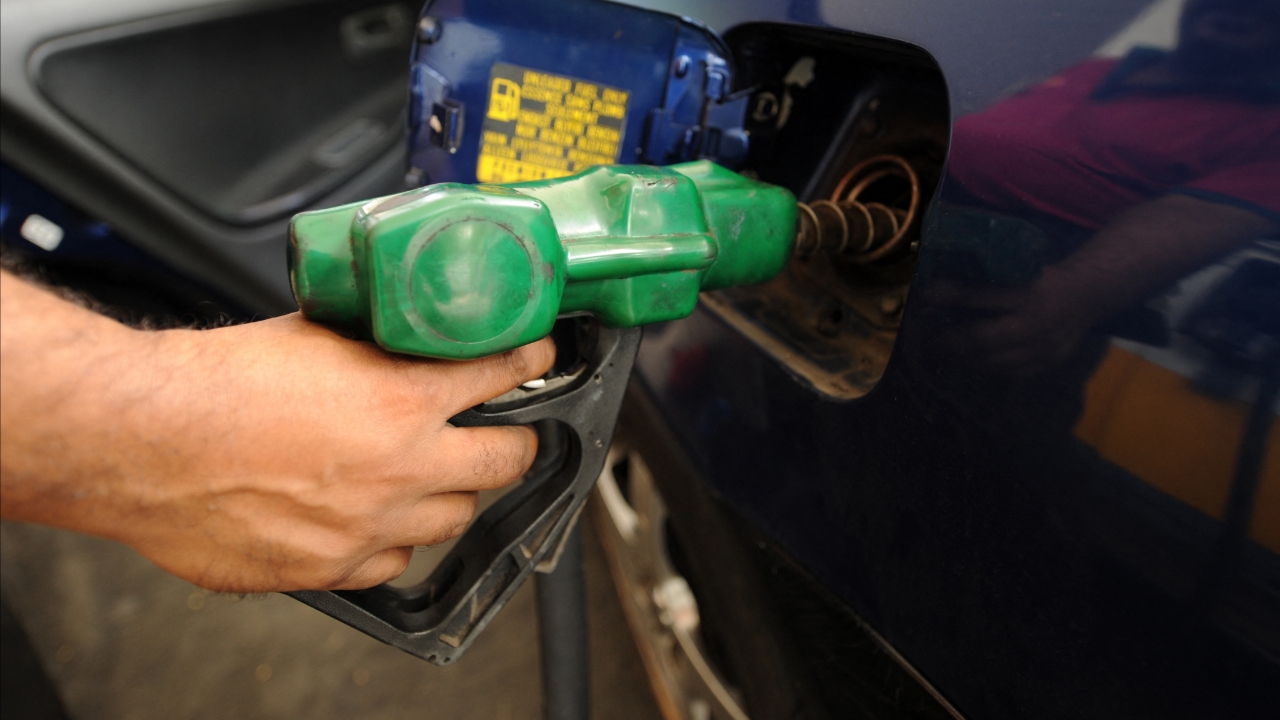
Singapore analysts reveal that the reason pump prices remain higher than pre-war levels, despite crude oil prices having dropped, stems from several factors. They expect prices to fall below pre-war levels by 2027.
Singapore's Channel News Asia (CNA) explained the situation regarding pump prices in this island nation, noting that Singapore drivers still pay significantly higher prices than before the Middle East war began four months ago—about 0.48 USD more per liter—even though Brent crude oil prices have declined to near pre-war levels, around 70–72 USD per barrel.
Analysts interviewed by CNA explained that this results from the "Rocket and feathers" phenomenon: when prices rise, pump prices shoot up quickly like a rocket, as retailers rush to adjust prices to cover higher crude oil costs when restocking.
However, when prices fall, the figures decline slowly like falling feathers, because retailers "wait and see" to ensure crude oil prices continue to drop consistently before lowering pump prices, in order to maintain fair profits and manage ongoing uncertainties and risks.
Other factors also affect prices since pump prices are not directly tied to crude oil. The actual prices consumers pay are based on "refined fuel" prices in the wholesale market rather than crude oil prices, and wholesale prices fluctuate differently and are driven by separate factors.
Pump prices also include taxes, transportation costs, and local market conditions. Meanwhile, retailers remain cautious due to instability in the Middle East and thus are reluctant to reduce prices too quickly.
Looking ahead, Ms. Xina Yue, senior economist at Oxford Economics in Singapore, predicts that pump prices will gradually decline rather than drop sharply all at once.
Ms. Yue added that prices are likely to stay above pre-war levels for the remainder of this year and may fully return to pre-war levels in early 2027, provided geopolitical factors stabilize and global oil supplies increase.
Meanwhile, Dr. David Broadstock from energy consultancy The Lantau Group advises that amid continuing energy price volatility, drivers may need to adjust their driving habits or consider alternatives such as switching to hybrid or electric vehicles to reduce long-term expenses.
Follow international news:https://www.thairath.co.th/news/foreign
Source:cna