

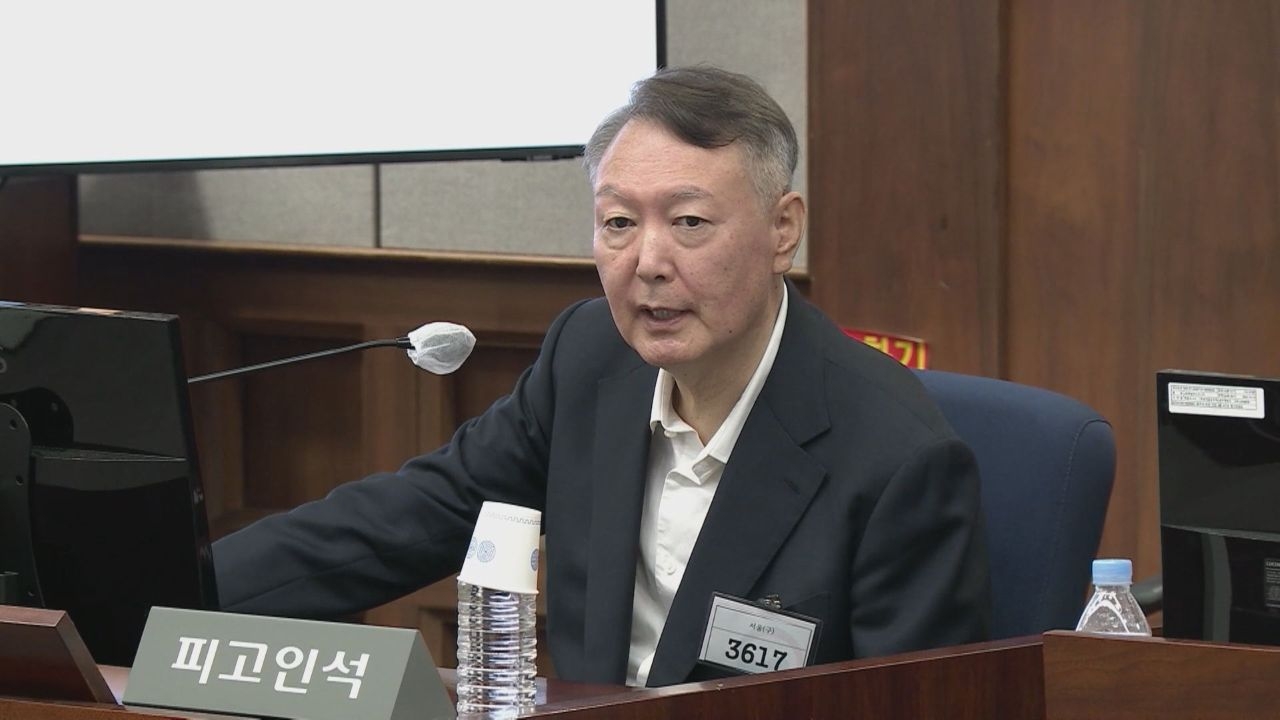
The South Korean Supreme Court upheld the appellate court's decision to sentence former President Yoon Suk-yeol to 7 years in prison for obstructing justice and abusing power after ordering presidential security officials to block his arrest, including forging the Prime Minister's signature on a martial law declaration in 2024.
The South Korean Supreme Court confirmed a 7-year prison sentence for former President Yoon Suk-yeol on charges of obstructing justice, abusing power, and falsifying official documents related to his failed attempt to impose martial law in a sudden move on 3 December 2024.
Today’s Supreme Court ruling marks the first resolution among eight ongoing cases against the former South Korean leader. The judges announced the verdict live on television, with Yoon Suk-yeol refusing to attend. The court stated, "The lower court's decision was free of errors in evidence evaluation and legal application, so all appeals are dismissed."
This upheld case covers multiple offenses following the martial law declaration, which parliament voted down within six hours. Among them, Yoon—detained since July last year—was found to have secretly ordered presidential security personnel to practice forming human barricades and setting up barbed wire to block investigators from arresting him under a January 2025 court warrant. The Supreme Court ruled these acts cannot be justified as lawful security measures.
Additionally, he deliberately circumvented the law by convening only a partial ministerial meeting to approve the martial law plan without notifying nine other ministers as required. He also altered the martial law declaration after it was revoked by using the official seal and forging the Prime Minister's signature to conceal legal flaws, then ordered the document’s destruction. Furthermore, he instructed officials to distribute misleading press releases to foreign media and commanded military commanders to delete phone call records from security smartphones to destroy evidence.
The lower court initially sentenced him to 5 years, which the appellate court increased to 7 years in April due to additional findings of media misinformation, despite prosecutors seeking a 10-year sentence. Yoon’s legal team expressed deep regret, accusing the Supreme Court of rushing the case without thorough consideration and announcing plans to challenge the ruling at the Constitutional Court.
The martial law declaration at the end of 2024 triggered South Korea’s gravest political crisis in modern times, causing stock markets to plunge and widespread public protests demanding Yoon Suk-yeol’s removal. This culminated in his impeachment in April 2025 and a subsequent election won by Lee Jae-myung of the Democratic Party.
Although former President Yoon maintains that his decision to declare martial law was "for the nation's benefit and to eliminate anti-state groups," he faces much more severe criminal charges, notably a leading role in a rebellion to overthrow the government. A lower court has already sentenced him to life imprisonment on this charge, which is currently under appeal.
He was also sentenced to 30 years in another case involving smuggling drones into North Korean territory to "create a security crisis" as a pretext for martial law. South Korean prosecutors have pledged to pursue all rebellion and related charges against the former leader to the fullest extent.