

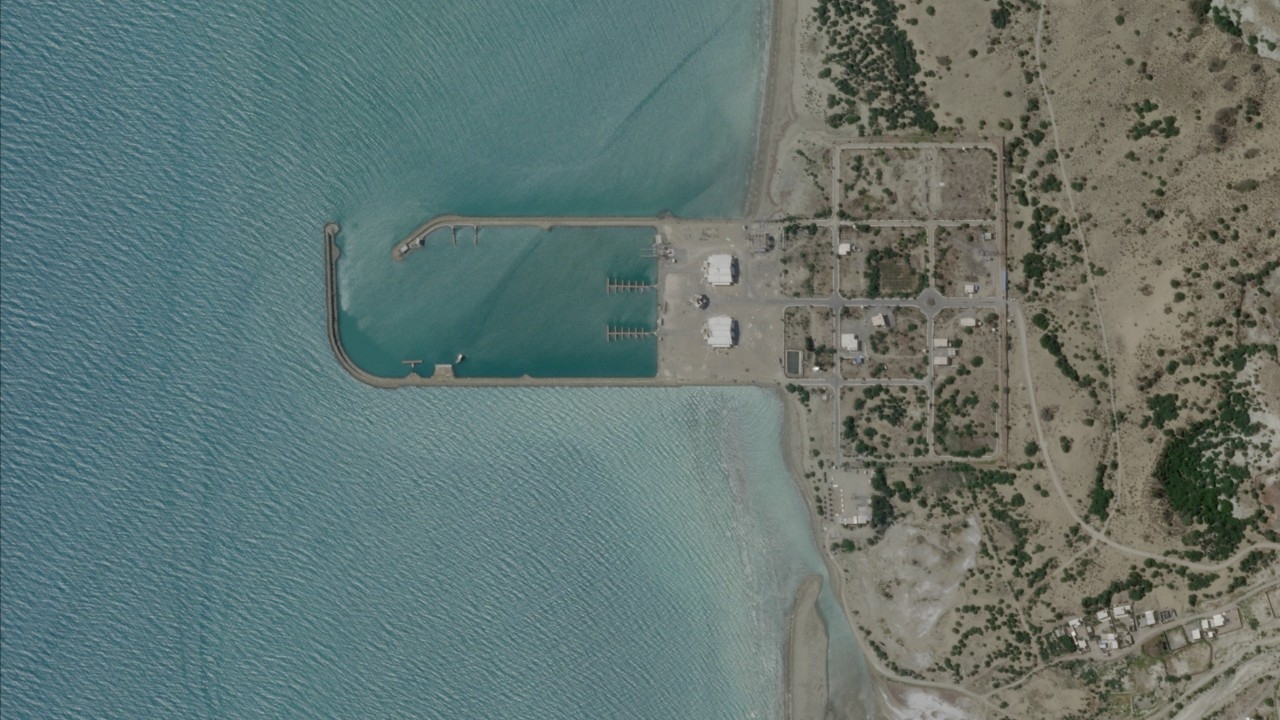
Iran has launched a new wave of attacks on US military targets in various countries around the Persian Gulf after the US conducted strikes on Iranian coastal cities and military equipment for the second consecutive day.
On Thursday, 9 Jul 2026 GMT+7, the Iranian military launched attacks on US military infrastructure in neighboring Persian Gulf countries again, in retaliation for US strikes on southern and eastern coastal provinces of Iran over two consecutive days.
State media reported that US attacks on 8-9 Jul covered five provinces, including Bushehr Province and Bandar Abbas, a port city near the Strait of Hormuz, resulting in 14 deaths and 78 injuries. The strikes targeted a railway bridge used for trade between Iran, Russia, and China as well.
The US military stated on Wednesday that the recent attacks on Iran aimed to keep the Strait of Hormuz open, after accusing Iranian forces of attacking three oil tankers in the area. These attacks occurred just hours after President Donald Trump said he believed the temporary ceasefire agreement with Iran had “ended.”

The Iranian military said it deployed drones to attack US Patriot missile systems in Kuwait, satellite antennas of an early warning station in Qatar, and US military fuel storage facilities in Bahrain.
Kuwait revealed that its military intercepted one cruise missile, three ballistic missiles, and ten drones in its airspace, with one person slightly injured by falling debris.
Meanwhile, alarm sirens sounded in Jordan after detecting missiles launched from Iran in its airspace. Media reported that Jordanian forces intercepted eight missiles with no injuries or damage reported.
Qatar, home to the largest US military base in the region and often a mediator between Washington, Tehran, and rival countries, called on all parties to return to diplomatic processes and held direct talks with Iranian Foreign Minister Abbas Araghchi to condemn attacks on their ships in the Strait of Hormuz.
Although Iran has not claimed responsibility for the attacks on the ships, analysts suggest Tehran uses such actions to strengthen its bargaining power in negotiations, while the US cites these attacks as justification for its recent strikes on Iran over the past two days.
“The US still hasn’t learned that threats and breaking agreements are no longer actions without consequences. To be clear: if you attack, you will be attacked back,” Iranian chief negotiator Mohammad Bagher Ghalibaf posted on the platform X.
“The Strait of Hormuz will only be open under Iran’s agreements and management, not through US intimidation.”

The US Central Command (CENTCOM) announced on Wednesday that its forces struck about 90 Iranian military targets, including air defense systems, coastal surveillance equipment, missile and drone depots, naval weapons, and military logistics infrastructure along Iran’s coastline.
“This is retaliation for Iran’s bombing of ships yesterday. If it happens again, the situation will be much worse!” Trump posted on his Truth Social platform on Wednesday.
Follow international news:https://www.thairath.co.th/news/foreign
Source:cna