

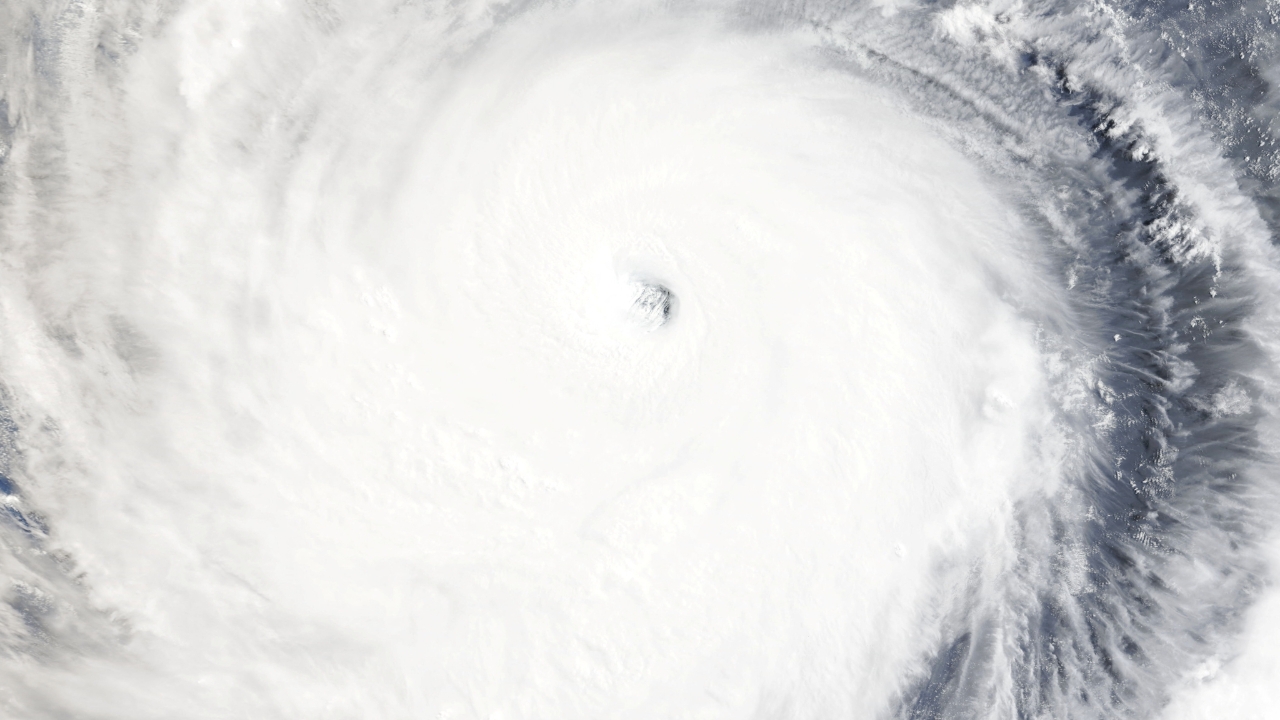
Typhoon Bavi has made landfall in China for the second time in two days, resulting in the evacuation of nearly 2 million people from areas in the storm's path.
Foreign news agencies reported that Typhoon Bavi, which spans up to 1,000 kilometers at its widest point—comparable to the width of France—first made landfall in the coastal city of Taizhou on the evening of Saturday, 11 Jul 2026 GMT+7, before striking again near Wenzhou around midnight.
After battering several remote Japanese islands, Bavi brought heavy rain to Taiwan as it passed near the northern tip of the island. Earlier, landslides triggered by the storm had claimed at least 17 lives in the Philippines.
Although Bavi has weakened to a Category 1 typhoon, it remains dangerous due to the enormous moisture contained within its cloud and rain bands.
Chinese meteorological authorities forecast that the typhoon will bring "record-breaking heavy rains" to eastern Zhejiang Province and northeastern Fujian Province. They added that the evacuations were conducted "to prevent the worst possible outcomes."
Chinese state media reported that over 1.7 million people have been evacuated in Zhejiang Province, with several thousand more in neighboring provinces. Schools, workplaces, and outdoor activities in Zhejiang have been temporarily suspended, while more than 400 flights and dozens of train services have been canceled.
Typhoon Bavi initially formed as a super typhoon, striking Guam and the Northern Mariana Islands last Monday with wind speeds reaching 290 kilometers per hour.
The storm then moved across the Pacific Ocean, weakening to wind speeds of 144 kilometers per hour. Along the way, it hit the Sakishima Islands, part of Japan's Ryukyu Islands located between the main islands and Taiwan, causing at least five injuries and leaving thousands without electricity.
Although Taiwan was not directly hit, thousands of residents had to evacuate due to heavy rains that raised the risk of landslides. However, no fatalities have been reported in either country.
Earlier, China faced Typhoon Maysak, which made landfall in the Lingao Autonomous Region of Hainan Province on the evening of 3 Jul 2026 GMT+7, and struck again in Guangxi Province in the south. This caused heavy rain, strong winds, and major flooding in many areas before weakening to a tropical depression.
Follow international news:https://www.thairath.co.th/news/foreign
Source:bbc