

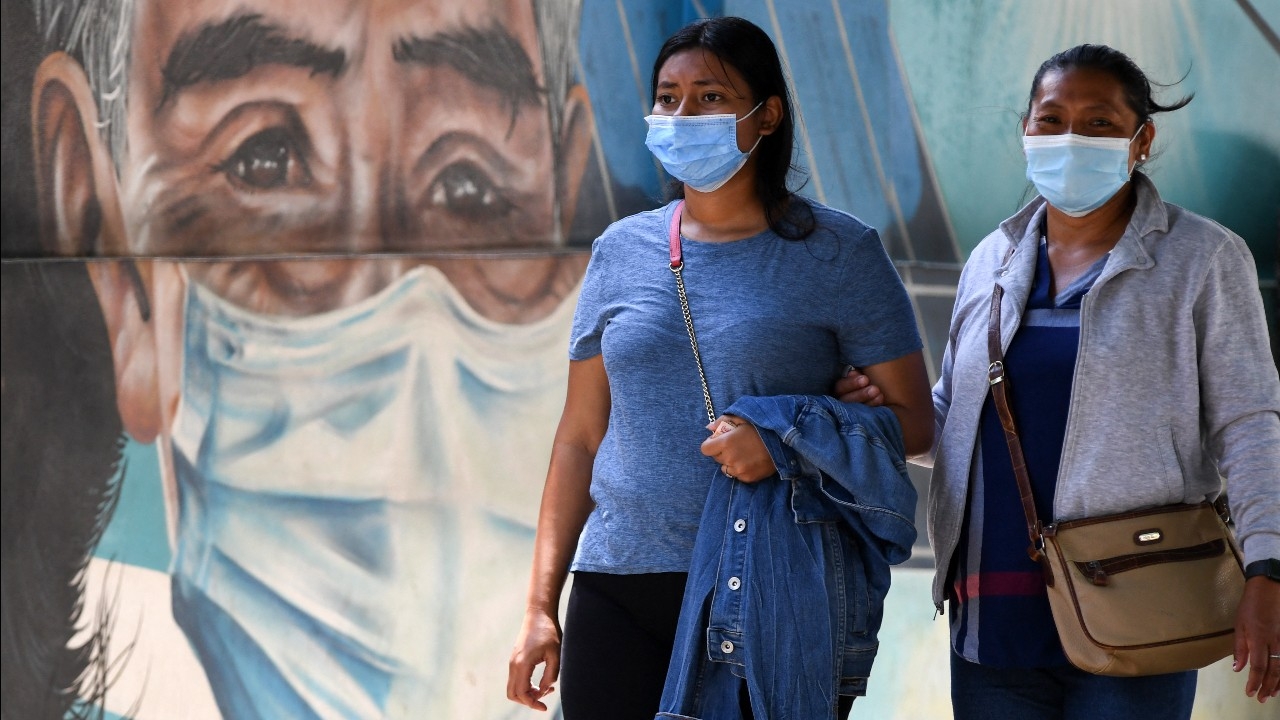
Japanese researchers revealed study findings that long COVID symptoms may result from COVID-19 activating dormant herpes viruses in the body, leading to the production of proteins that affect the brain and cause fatigue and depression symptoms.
On 15 July 2026 GMT+7, a research team from Jikei University School of Medicine in Japan announced study results showing that long COVID symptoms—such as chronic fatigue, depression, and brain fog—may be caused by COVID-19 triggering herpes viruses dormant in the body to reactivate.
The World Health Organization (WHO) states that about 6% of COVID-19 patients continue to experience abnormal symptoms after recovery, including fatigue, depression, or hair loss. However, the exact cause remains unclear. Researchers analyzed blood samples from over 150 long COVID patients and found a protein called SITH-1 in approximately 70% of them. This protein emerges when dormant herpes viruses in the body are reactivated. When researchers increased SITH-1 levels in lab mice, the mice showed reduced brain function due to neurotransmitter impairment and exhibited symptoms similar to long COVID patients, such as fatigue and depression.
Naomi Oka, a professor at Jikei University School of Medicine, stated that long COVID symptoms may be caused by COVID-19 stimulating dormant herpes viruses in the body, leading to the production of the SITH-1 protein, which negatively affects brain function. She added that these findings could lead to developing treatments that directly address the root cause of long COVID symptoms in the future.
Source: NHK