

The U.S. government has refunded more than $81 billion in customs duties collected from companies under Donald Trump's tariff measures after the Supreme Court ruled the actions illegal.
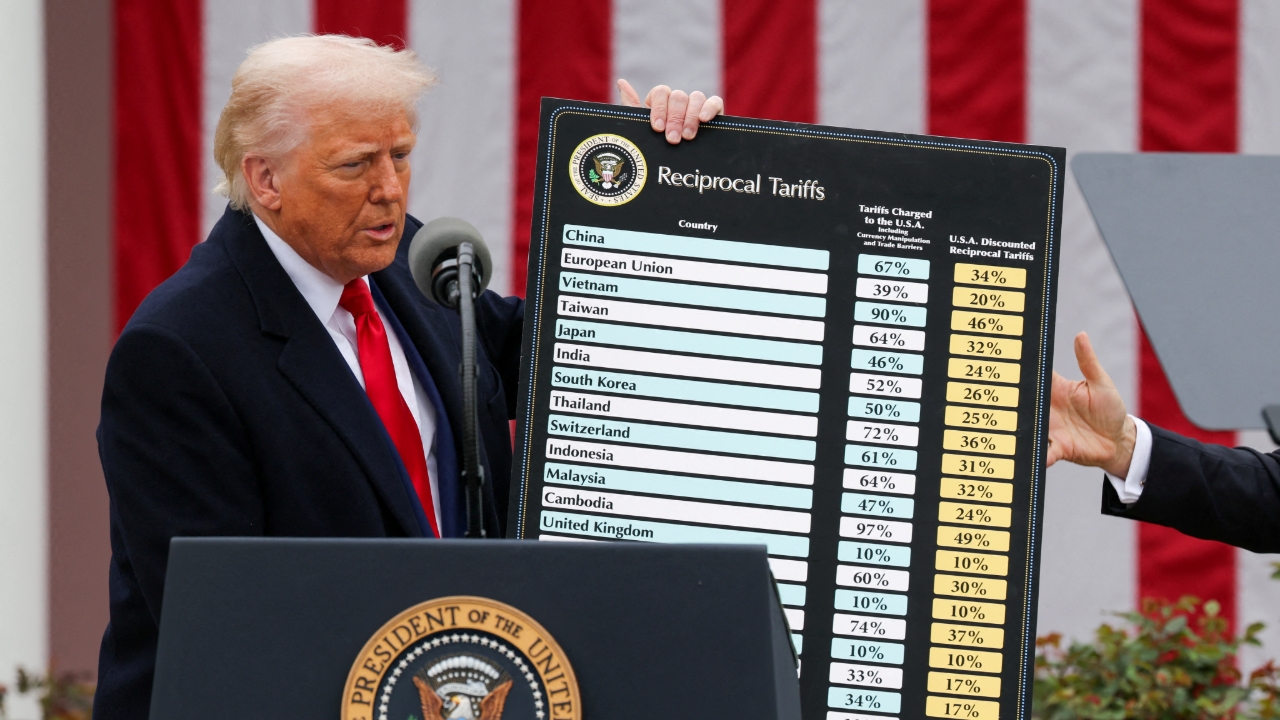
Foreign news agencies reported on Tuesday, 14 Jul 2026 GMT+7, that the U.S. government has refunded over $81 billion in customs duties collected from companies importing goods under President Donald Trump's "reciprocal tariffs" since the Supreme Court ruled in February that these actions were unlawful.
Reciprocal tariffs, also known as "Trump tariffs," are duties imposed on imported goods from various countries (paid by importing companies) and were central to Donald Trump's economic plan since he resumed office last year.
However, in February, the U.S. Supreme Court ordered a halt to most of the additional tariffs Trump had imposed, resulting in the government having to refund companies that had paid those duties.
According to budget figures released Monday (13 Jul 2026 GMT+7), the U.S. has refunded over $81 billion (approximately 2.7 trillion baht) in customs duties during this fiscal year, which began in October 2025, compared to only $5 billion refunded during the same period last year.
A Treasury Department official revealed that this sharp increase is almost entirely due to the Supreme Court ruling, with most refunds occurring in May and June.
Previously, Trump had presented customs duties as a universal solution for the economy, including bringing factories back to the U.S., securing better trade deals, and reducing the federal budget deficit.
However, the budget deficit, which had slightly decreased last year due to tariff revenues, has expanded again, reaching $1.367 trillion in the first nine months of the fiscal year, a 2% increase.
The U.S. spends over $1 trillion solely on loan interest payments, a 14% rise, while military budgets have increased 5% due to wars in the Middle East.
Currently, the Trump administration retains only a temporary global 10% customs tariff set to expire on 24 July; however, the White House is preparing new rates, citing lax enforcement of labor laws and overcapacity problems.
The latest efforts by the Trump administration may affect relationships with key trading partners such as the United Kingdom, Japan, India, Taiwan, and China, potentially allowing Trump to bypass previous court restrictions. The new tariff rate is expected to range from 10% to 12.5%. Additionally, the U.S. has threatened to impose a 25% tariff on Brazil.
In June, Trump threatened a 100% tariff on European countries, including the United Kingdom, which have imposed "digital services taxes" on major U.S. tech companies such as Apple, Google, and Amazon.
Follow international news:https://www.thairath.co.th/news/foreign
Source:The Guardian